Reports
Our reports library includes fieldwork, geophysical, geoarchaeological, marine and post-excavation reports from our archaeological and heritage projects across the UK.
There are 460 Reports listed.
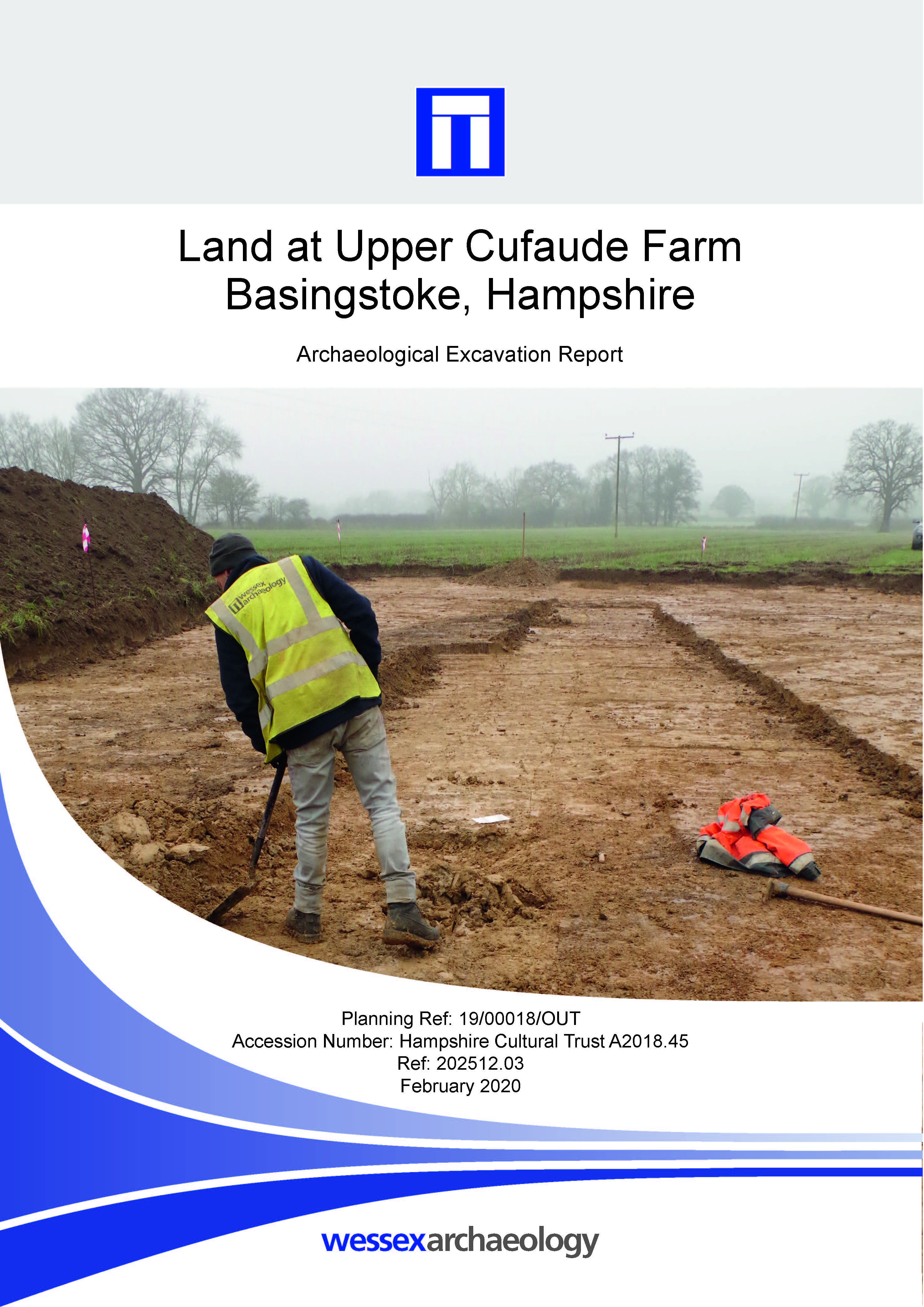
Land at Upper Cufaude Farm, Basingstoke, Hampshire - Archaeological Excavation Report
Published: 2020-02-01
Subjects: Roman Road
The excavation successfully identified the western flanking ditch, but was unable to identify any evidence for a corresponding eastern flanking ditch. No further evidence for the Roman road itself or any associated features were revealed by the excavation. The only artefacts recovered during the excavation were two metal objects, which were subjected to X-radiography, but remain of [...]

Life on MARR. Archaeological remains along the Manchester Airport Relief Road
Published: 2020-01-01
Subjects: Bronze Age Artefacts, Bronze Age Ceremony, Bronze Age Funerary Site, Medieval Structure, Post-Medieval Agriculture, Post-Medieval Artefacts, Post-Medieval Industry
The Manchester Airport relief road has provided archaeologists with a unique opportunity to examine a swathe of historic landscape south of Manchester. This 'slice through time' has yielded some surprising and important results, casting light on previously poorly understood aspects of our history in this area. Two highlights are a previously unknown Bronze Age monument and the extensive remains [...]
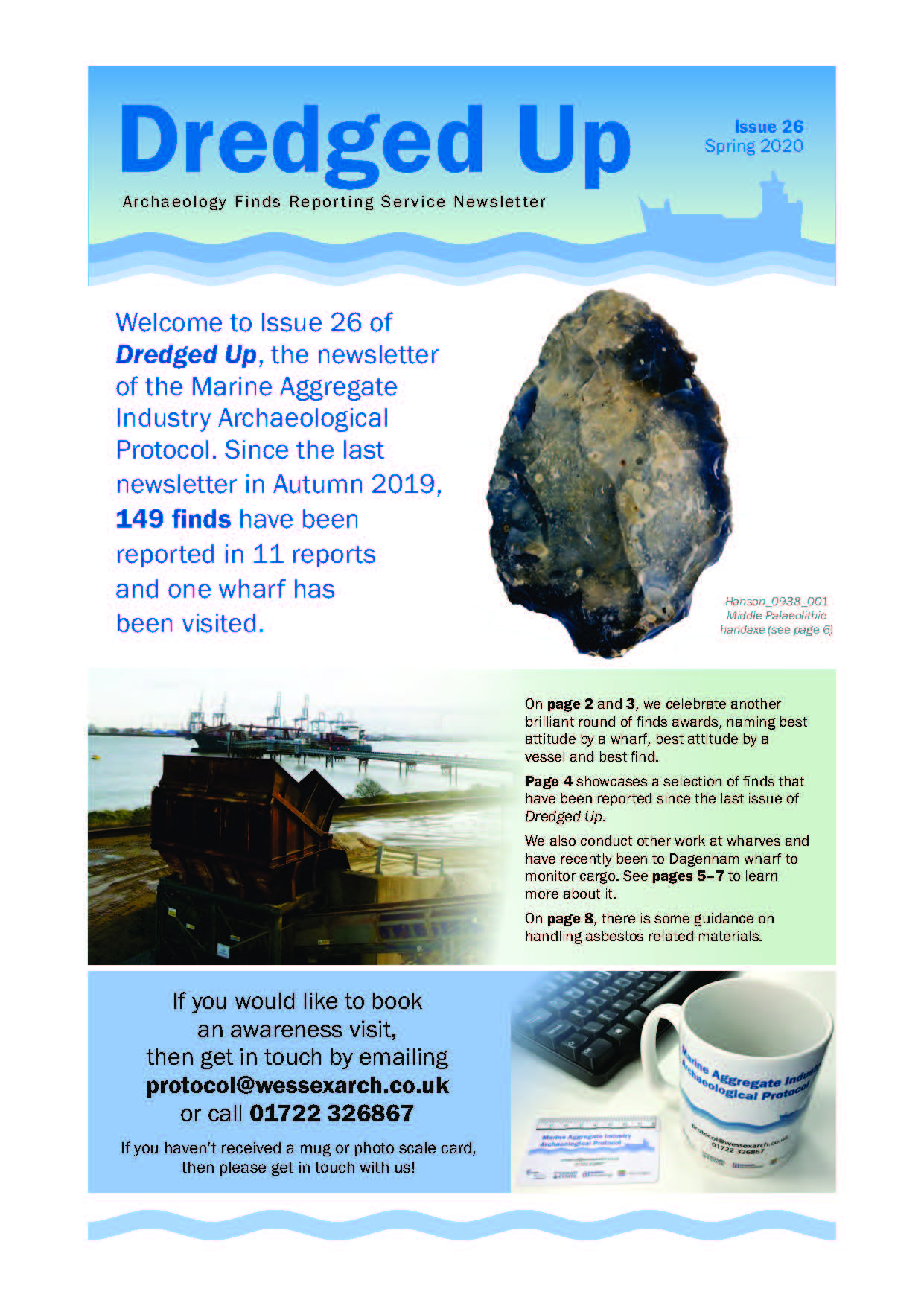
Dredged Up - Issue 26
Published: 2020-01-01
Subjects: Marine Archaeology
Archaeology Finds Reporting Service Magazine Issue 26 Spring 2020.
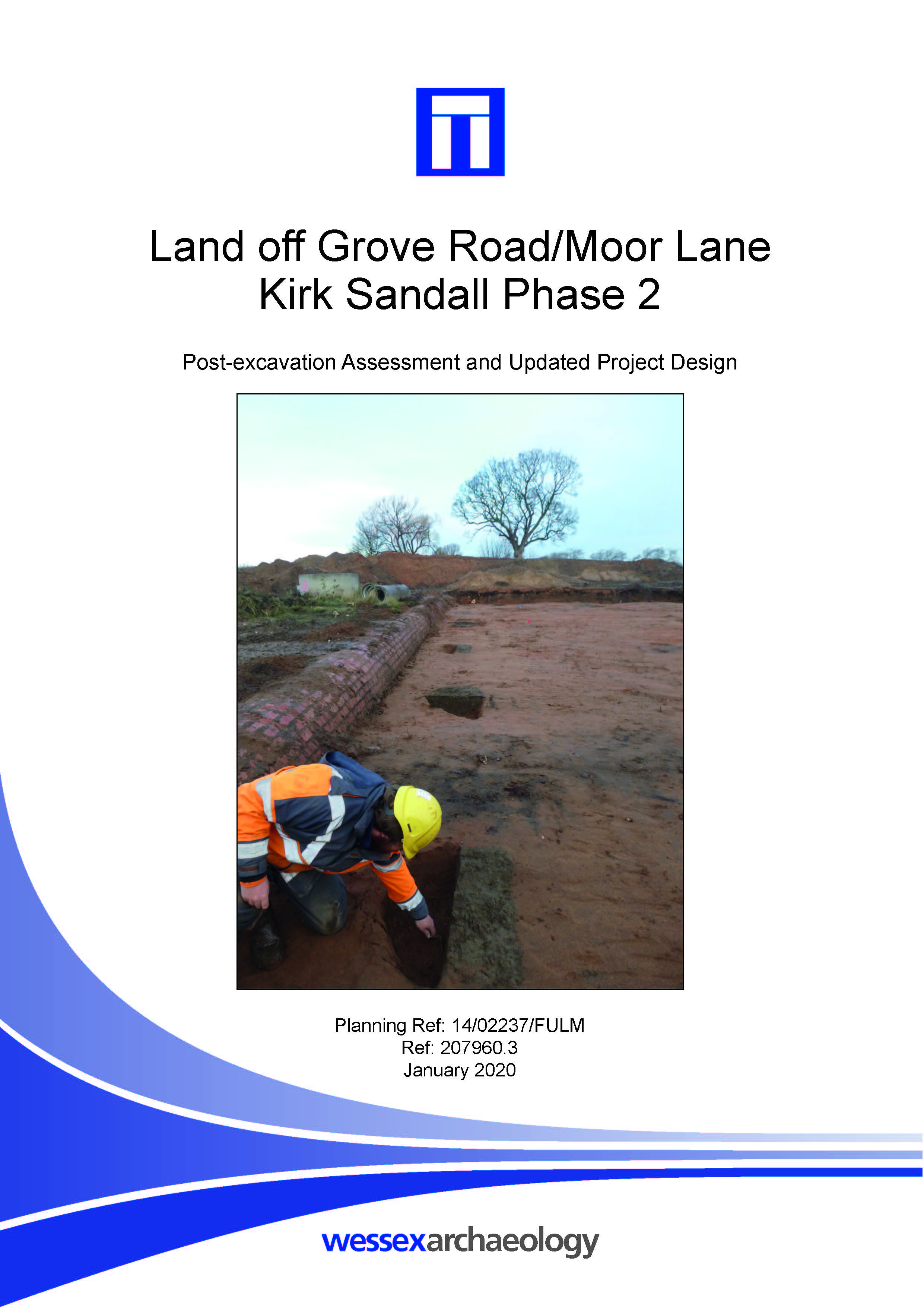
Land off Grove Road / Moor Lane, Kirk Sandall Phase 2 - Post-excavation Assessment
Published: 2020-01-01
Subjects: Medieval Artefacts, Modern Foundations, Modern Structure, Post-Medieval Agriculture, Post-Medieval Structure
The excavation was the final stage in a programme of archaeological works which included trial trench evaluation and an earlier phase of mitigation, which found post-medieval structural remains and field systems. This final stage of archaeological mitigation recorded a number of post-medieval ditches, pits and structural remains as well as some possibly late medieval or earlier post-medieval [...]
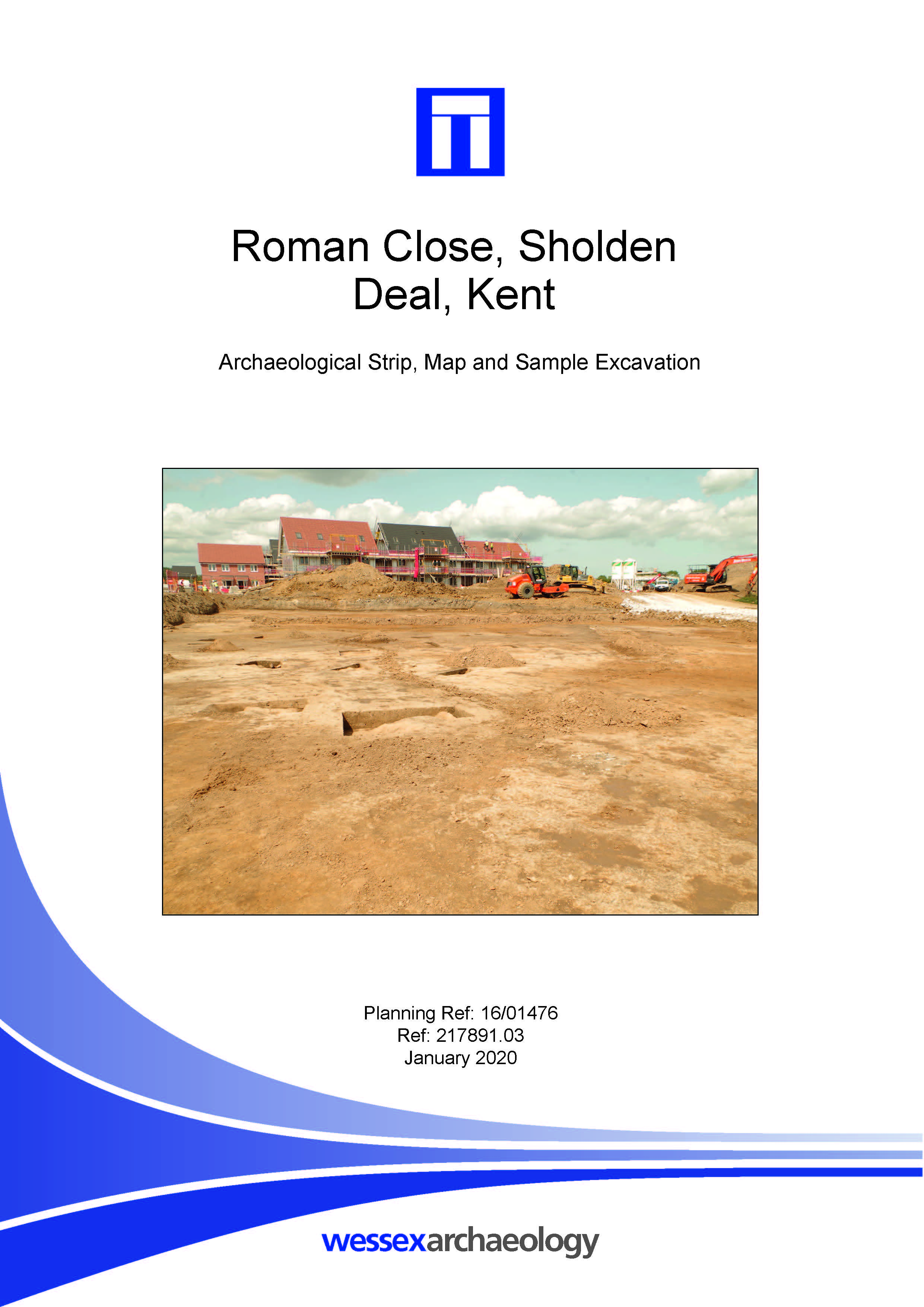
Roman Close, Sholden Deal, Kent - Archaeological Excavation Report
Published: 2020-01-01
Subjects: Bronze Age Agriculture, Post-Medieval Agriculture, Undated Archaeological Features
The archaeological strip, map and sample investigation revealed a system of ditched enclosures or field systems, two trackways, pits and postholes. The majority of the features were undated, however six are were dated comprising of one prehistoric pit, one Late Bronze Age/Early Iron Age ditch, and three post medieval pits and one modern ditch. The features identified primarily date to the [...]
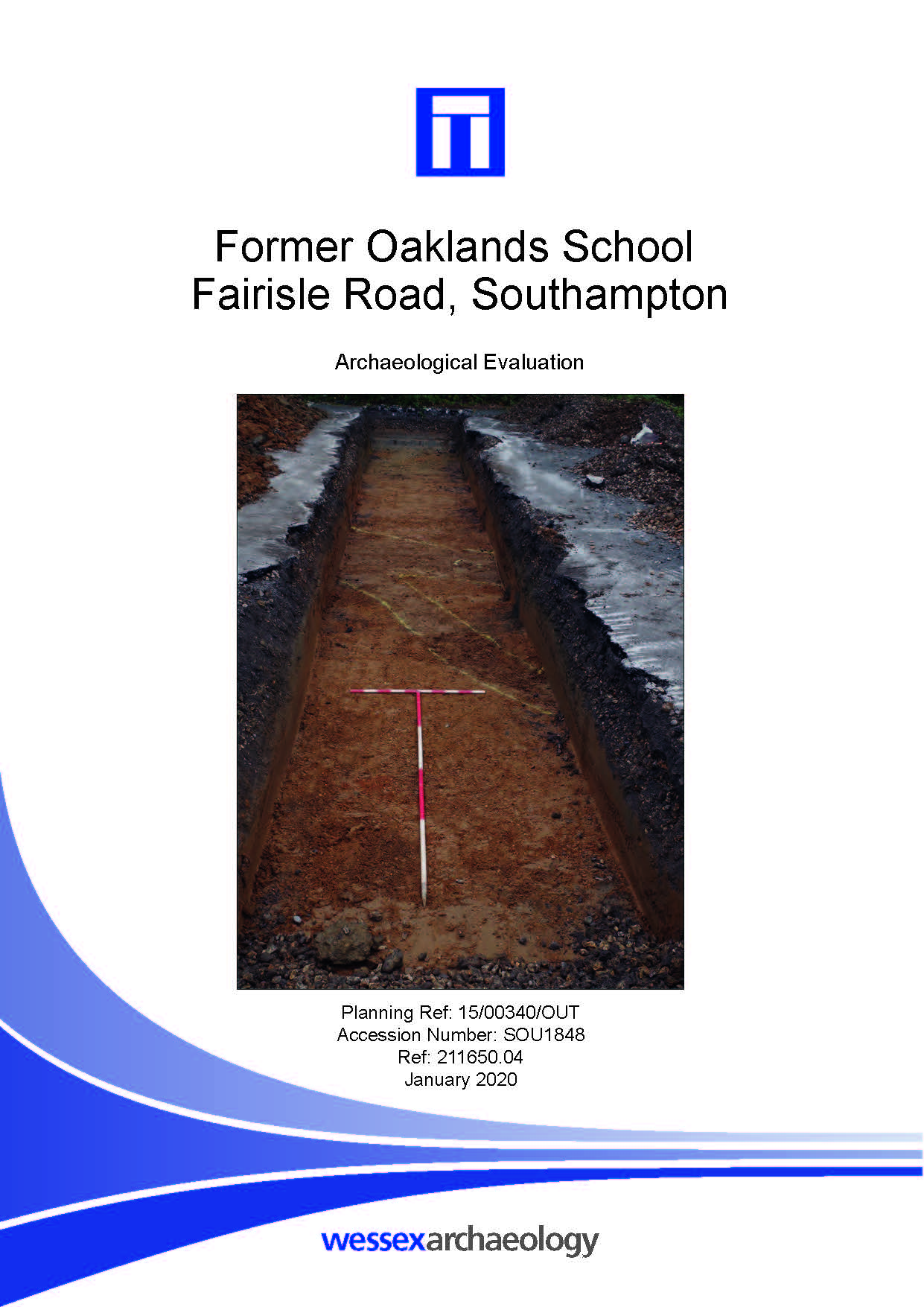
Former Oaklands School, Fairisle Road, Southampton - Archaeological Evaluation Report
Published: 2020-01-01
Subjects: Iron Age Agriculture, Romano-British Agriculture
The evaluation successfully identified four ditches, two pits, one hearth and a post-hole. Three of the ditches and one of the pits have been dated by pottery to the late Iron Age/early Roman period. Environmental samples recovered are possibly suggestive of industrial activity in the vicinity (through the presence of a small quantity of slag). There was also nothing to suggest the processing [...]
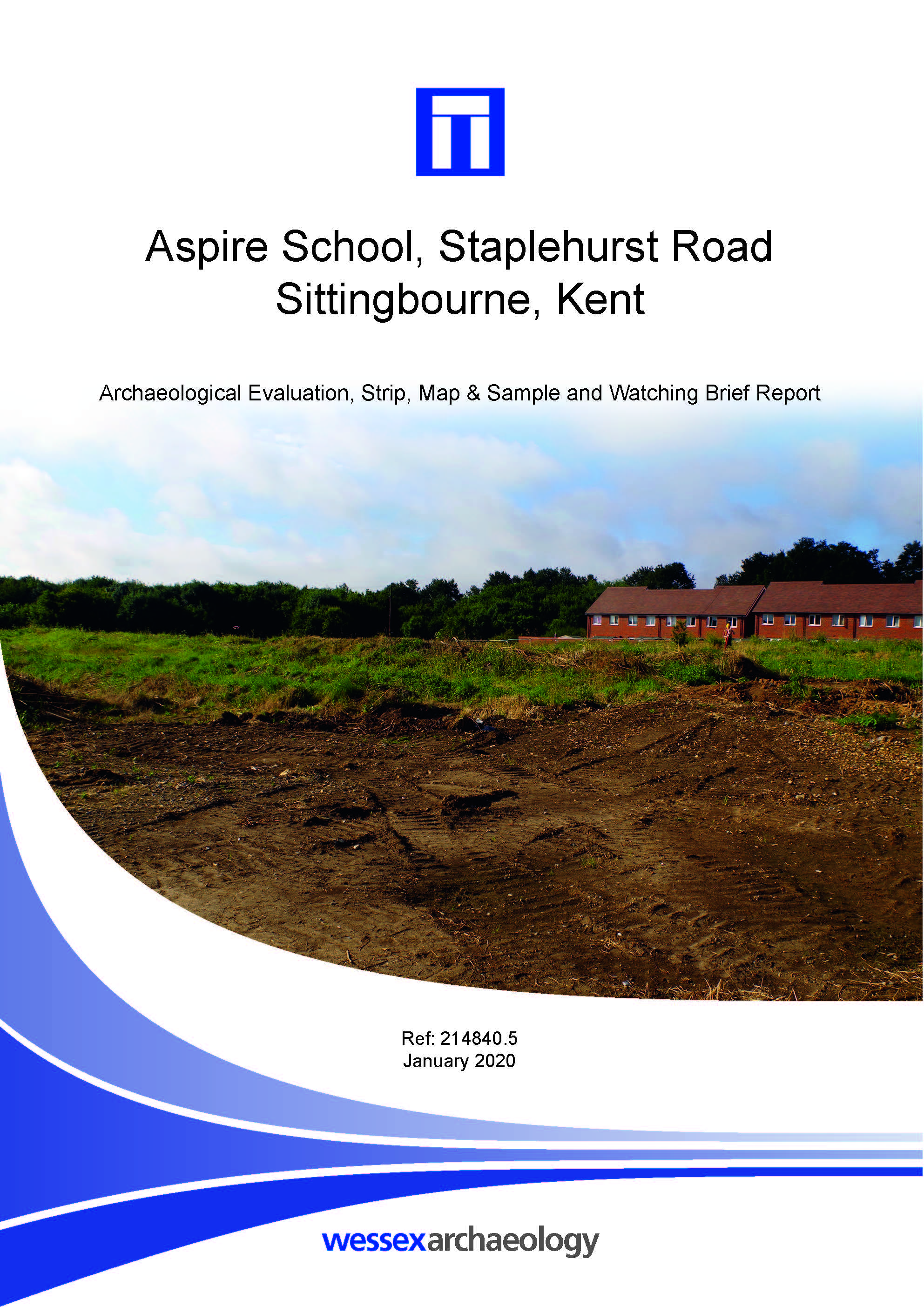
Aspire School, Staplehurst Road, Sittingbourne, Kent - Archaeological Investigations Report
Published: 2020-01-01
Subjects: Bronze Age Ceremony, Bronze Age Funerary Site, Neolithic Ceremony
The archaeological watching brief consisted of monitoring a topsoil reduction of 0.20-0.25m around the Bronze Age barrows which were intended to be preserved in-situ. The archaeological investigations revealed a concentration of archaeological features in the central section of the site, with all artefactual evidence pointing to a prehistoric date. The main area of activity, dated to the [...]
Land at Lowsley Farm, Liphook, Hampshire - Archaeological Excavation Report
Published: 2020-01-01
Subjects: Undated Archaeological Features
Following an evaluation, it was determined that a small area be subjected to targeted excavation, focussing on a trench in which two undated pits with deliberate deposits of burnt material had been uncovered and where a geophysical survey had found a small number of magnetic anomalies. The excavation identified an extension to one of the pits discovered during the evaluation as well as a further [...]
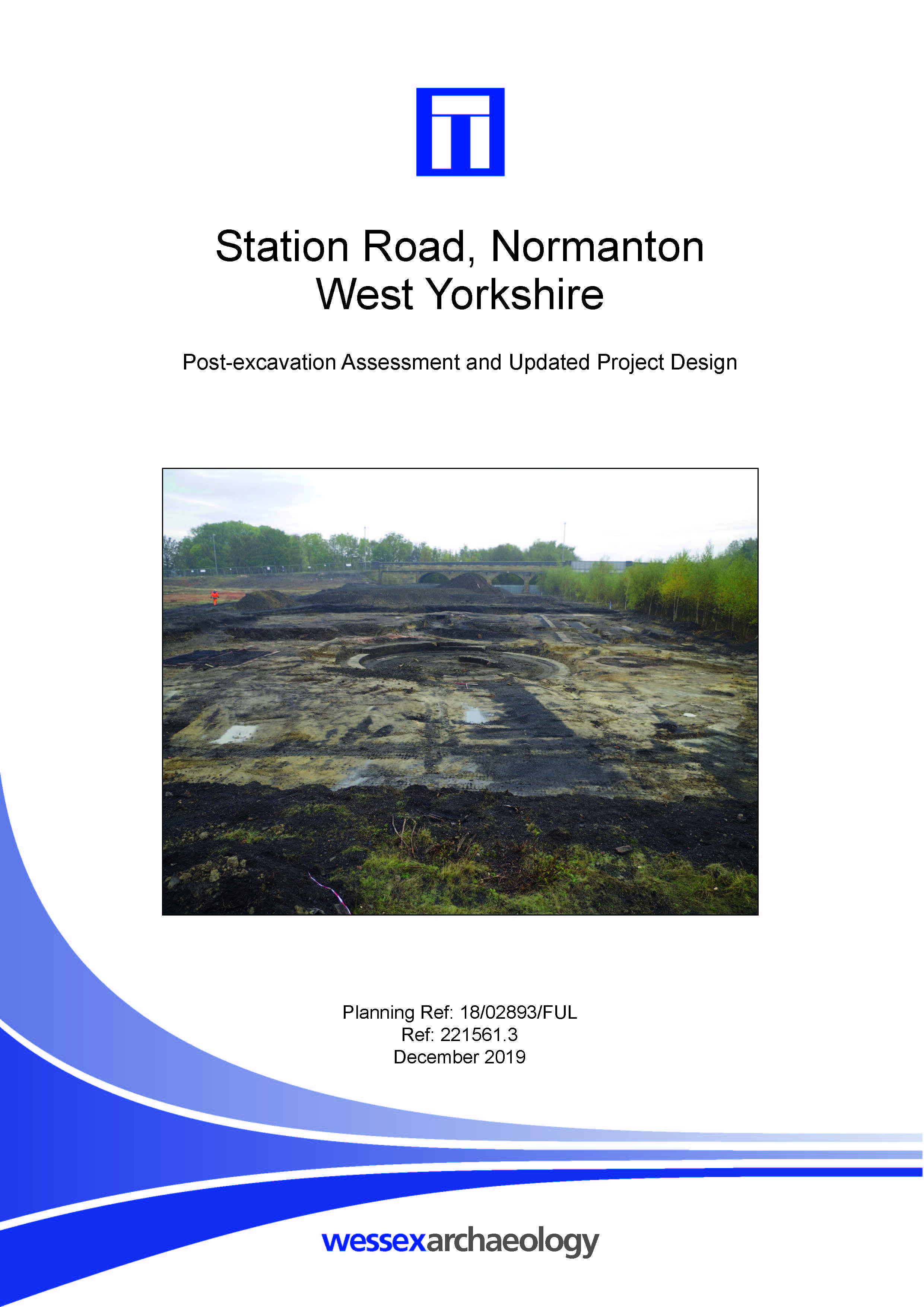
Station Road, Normanton, West Yorkshire - Post-excavation Assessment
Published: 2019-12-01
Subjects: Modern Industry, Modern Structure, Modern Transport, Post-Medieval Industry, Post-Medieval Structure, Post-Medieval Transport, Undated Archaeological Features
The archaeological elements excavated were predominantly structural remains of railway buildings and turntables that can be identified on the 1846 Ordnance Survey map of Normanton, but also included evidence of the later 19th-century development of the site into an area of sidings.
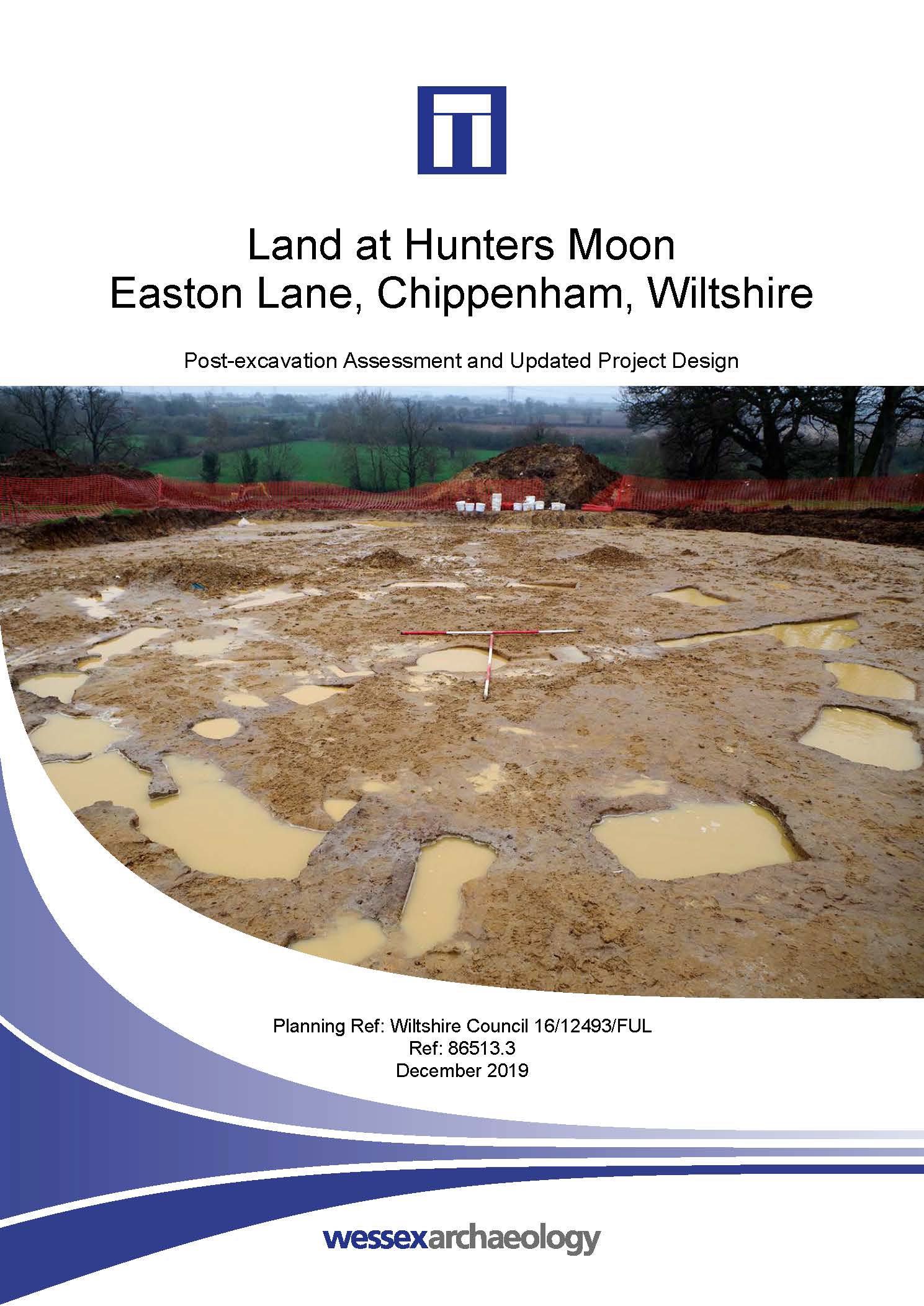
Land at Hunters Moon, Easton Lane, Chippenham, Wiltshire - Post-excavation Assessment
Published: 2019-12-01
Subjects: Bronze Age Funerary Site, Post-Medieval Agriculture, Prehistoric Enclosure, Prehistoric Settlement, Undated Archaeological Features
This report records the results of an archaeological excavation. Archaeologically significant features were predominantly confined to two of the excavated areas: Area 1a and Area 2. Area 1a contained a ring ditch, which probably represented the remains of an earlier Bronze Age round barrow. A small quantity of re-deposited cremated human bone recovered from the ditch may have derived from a [...]
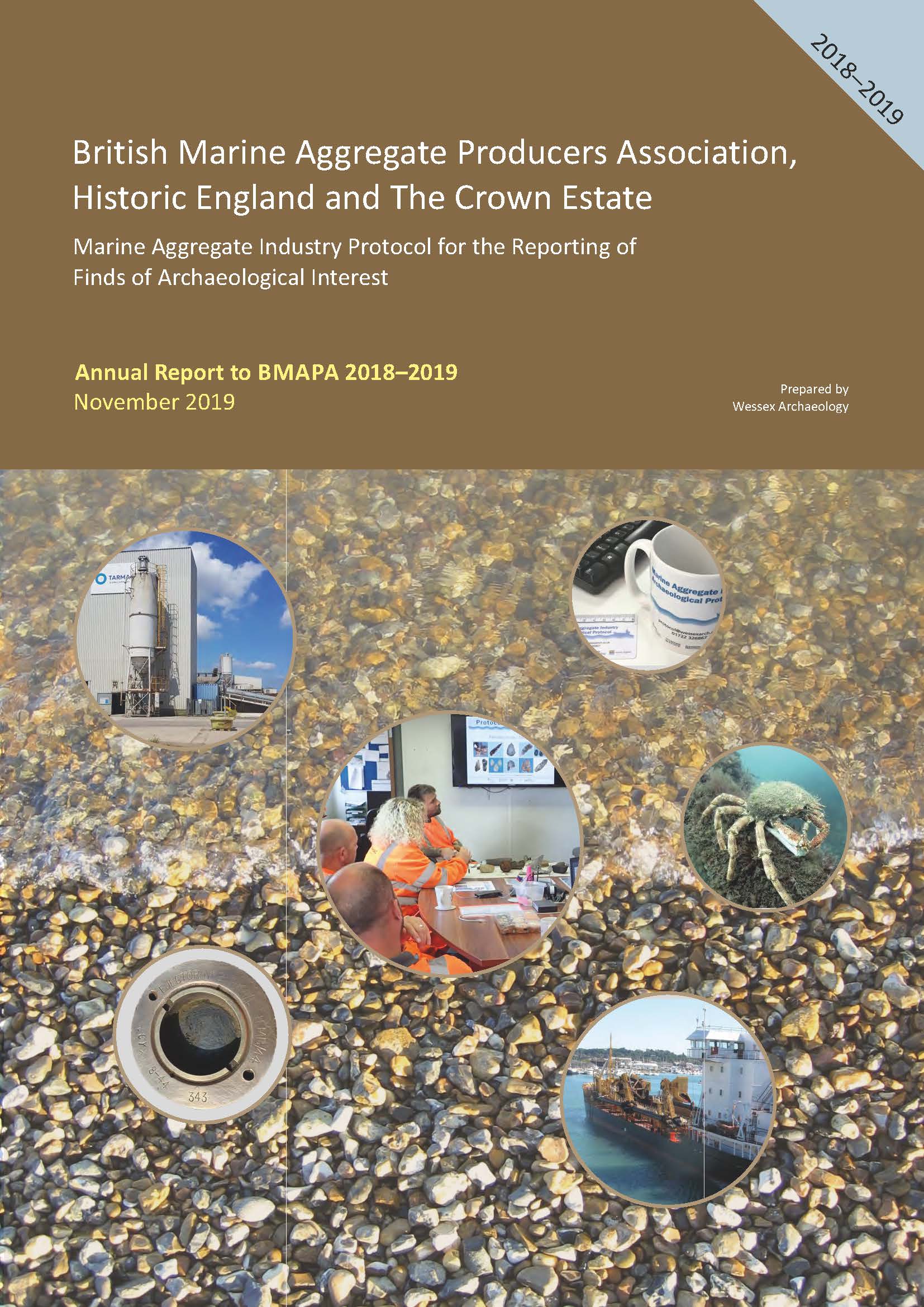
Annual Report to BMAPA 2018-2019
Published: 2019-11-01
Subjects: Marine Archaeology
British Marine Aggregate Producers Association, Historic England and The Crown Estate. Marine Aggregate Industry Protocol for the Reporting of Finds of Archaeological Interest.
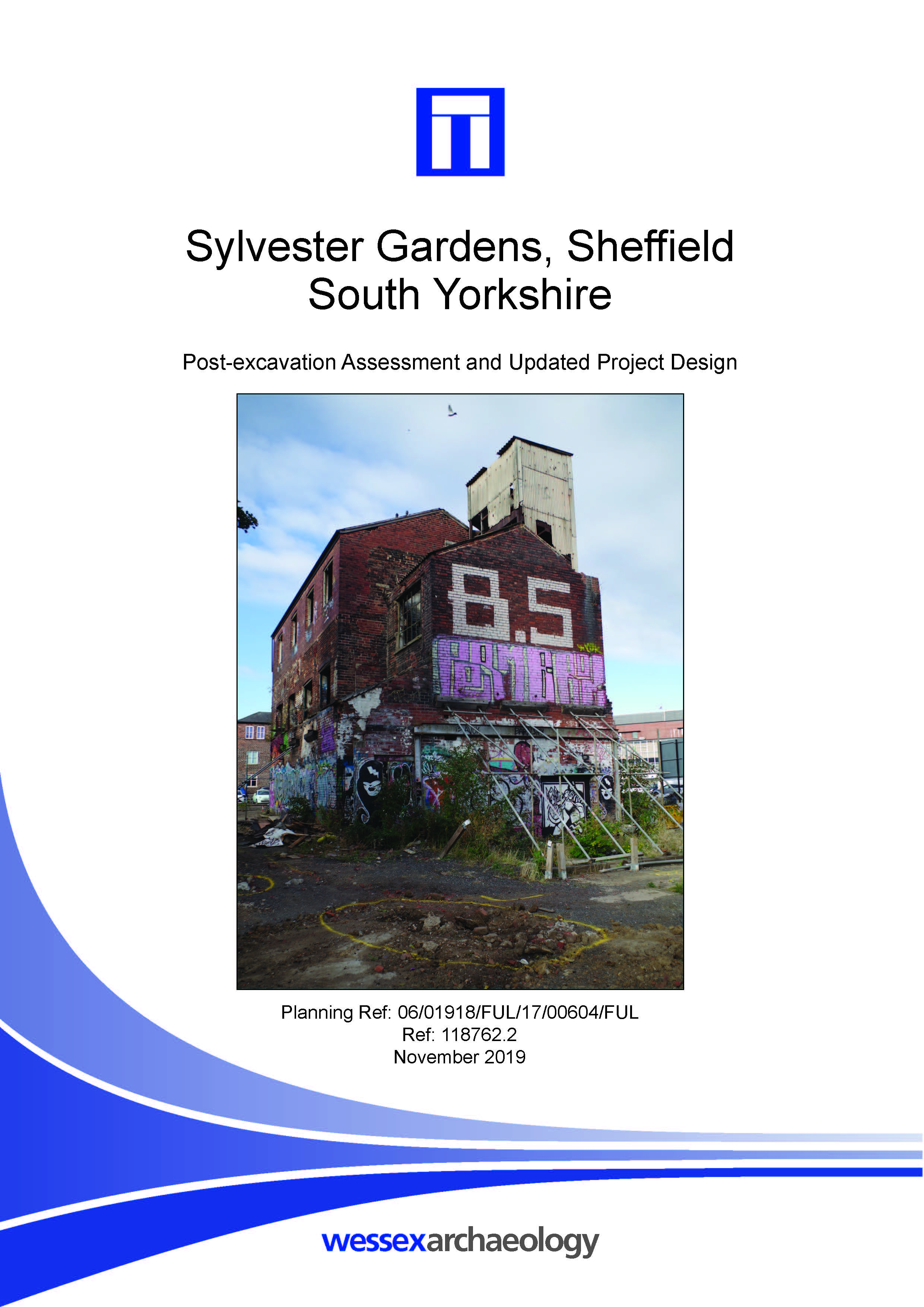
Sylvester Gardens, Sheffield, South Yorkshire - Post-excavation Assessment
Published: 2019-11-01
Subjects: Furnace, Modern Industry, Modern Settlement, Modern Structure, Undated structure
The archaeological remains were predominantly structural and related to industrial development of the site from the early to mid-19th-century through to the demolition of standing remains in 2018. In additional to industrial buildings, a series of stone foundations excavated in the north of Area 2a correlated to early or mid-19th-century worker’s housing seen on historic mapping. Two early [...]
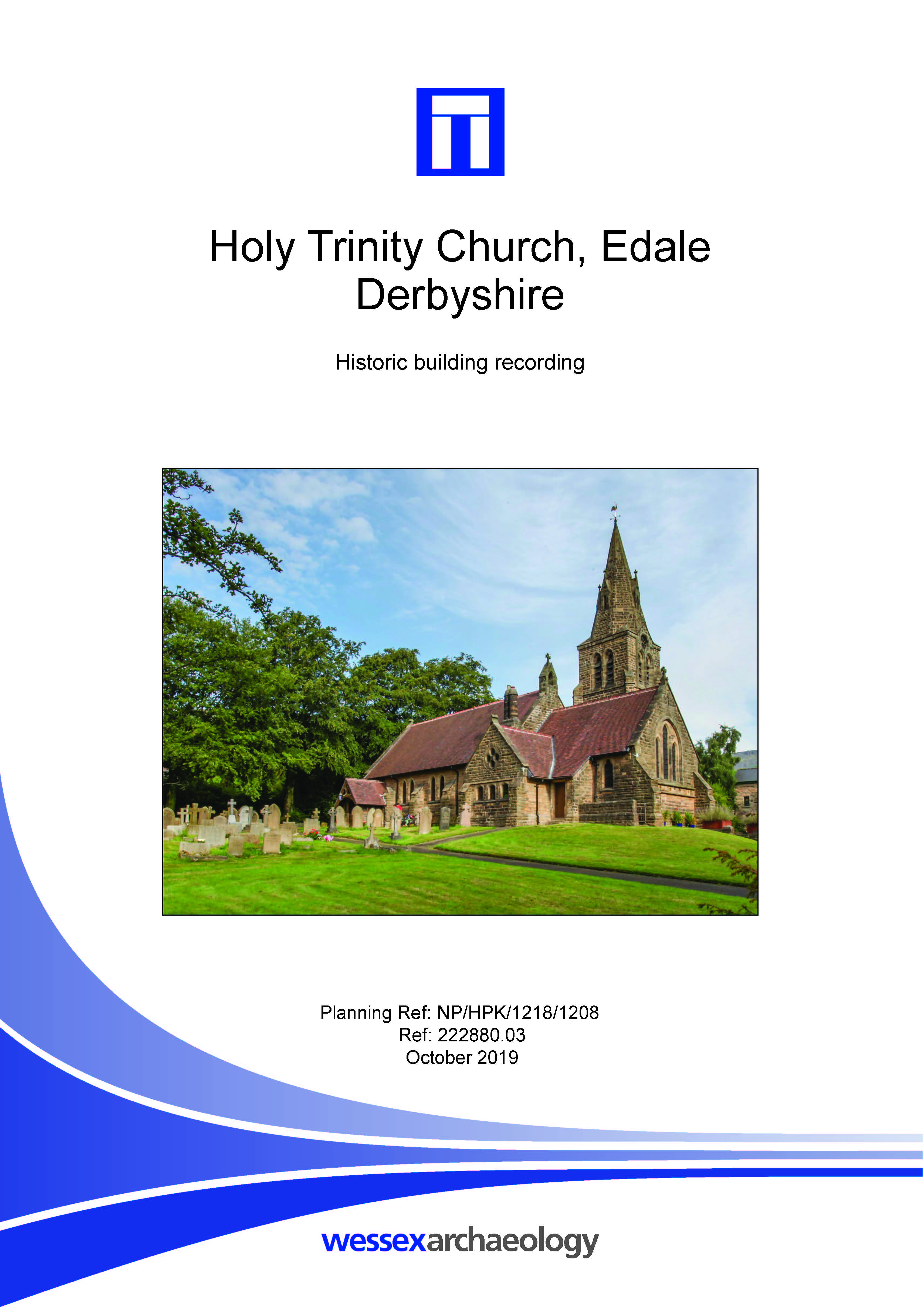
Holy Trinity Church, Edale, Derbyshire - Historic Building Record
Published: 2019-10-01
Subjects: Historic Building, Modern Religious Building
The historic building recording has established that the Holy Trinity Church was built in 1885 as designed by architect William Dawes, Manchester. The primary construction included the South Porch. The tower and spire were completed four years later but formed part of the original design. This church was the third to be built in Edale. The first two stood across the road within the old graveyard. [...]
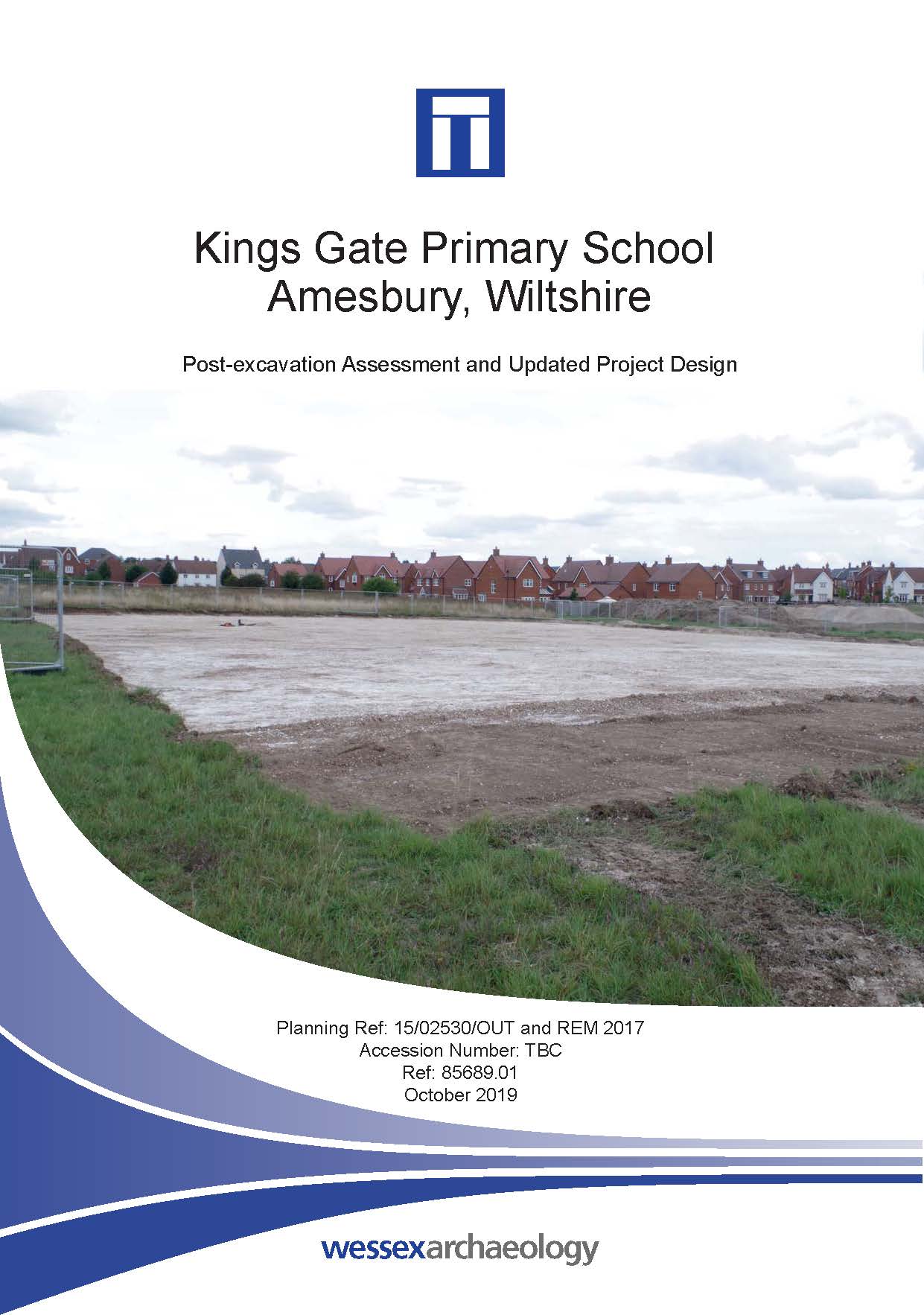
Kings Gate Primary School, Amesbury, Wiltshire - Post-excavation Assessment
Published: 2019-10-01
Subjects: Bronze Age Ceremony, Bronze Age Settlement, Iron Age Ceremony, Iron Age Settlement, Romano-British Funerary Site, Undated Archaeological Features
The site and wider Kings Gate and Archer’s Gate development areas have been the subject of an extensive series of archaeological investigations which revealed features of Mesolithic to Second World War date: prehistoric pit deposits, Early Bronze Age and Iron Age settlements and Romano-British funerary activity have all been identified. The features exposed during this excavation were [...]
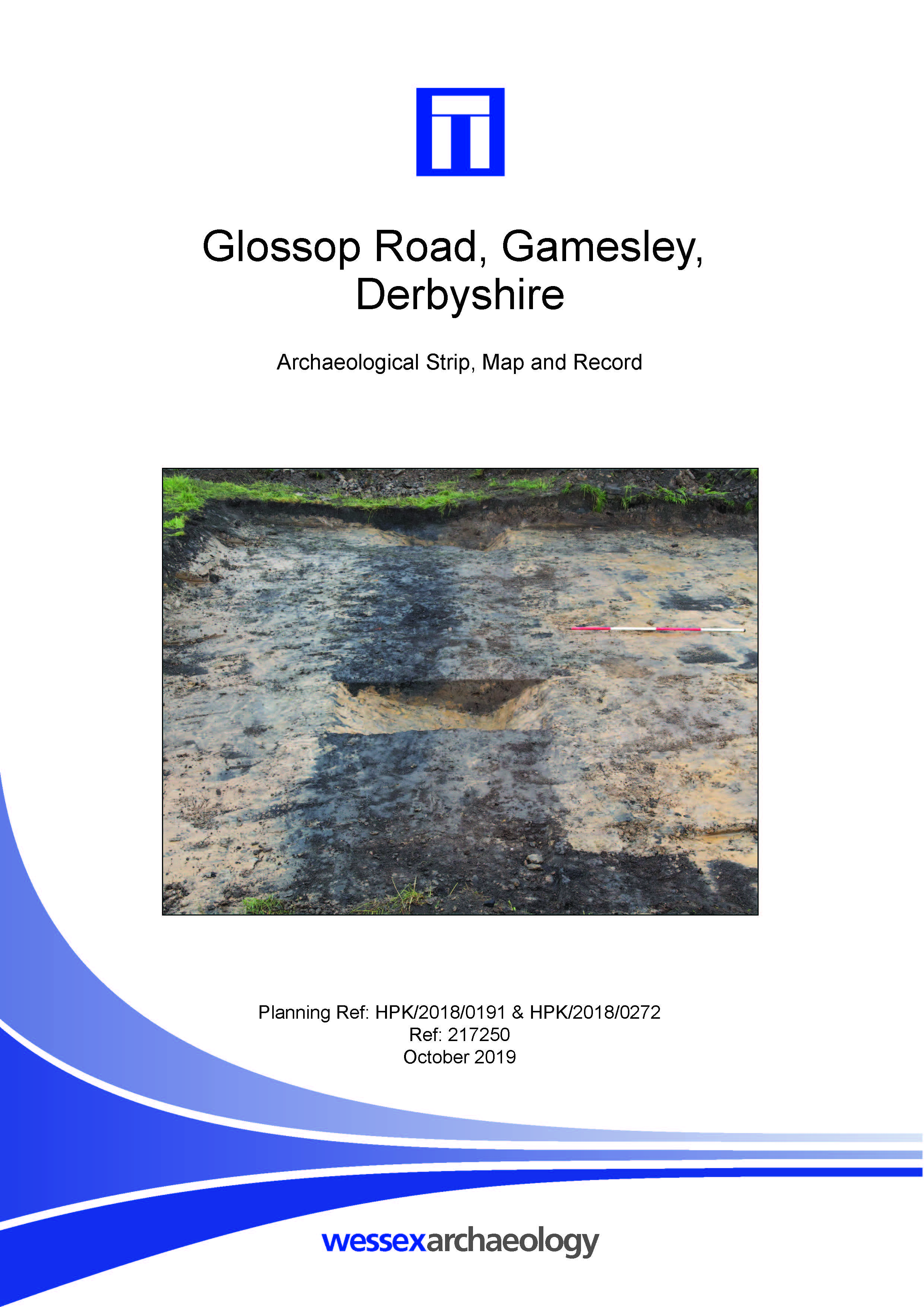
Glossop Road, Gamesley, Derbyshire - Archaeological Excavation Report
Published: 2019-10-01
Subjects: Neolithic, Post-Medieval Agriculture, Undated Archaeological Features
The excavation was carried out to investigate the proposed course of a Roman road, believed to pass through the area on a north-west to south-east alignment. During the strip, map and record exercise no evidence of a Roman road was observed. A modern recut within the field boundary was also recorded. A soil sample taken from the earlier ditch was found to coal/clinker, slag and hammerscale, [...]