Reports
Our reports library includes fieldwork, geophysical, geoarchaeological, marine and post-excavation reports from our archaeological and heritage projects across the UK.
There are 460 Reports listed.
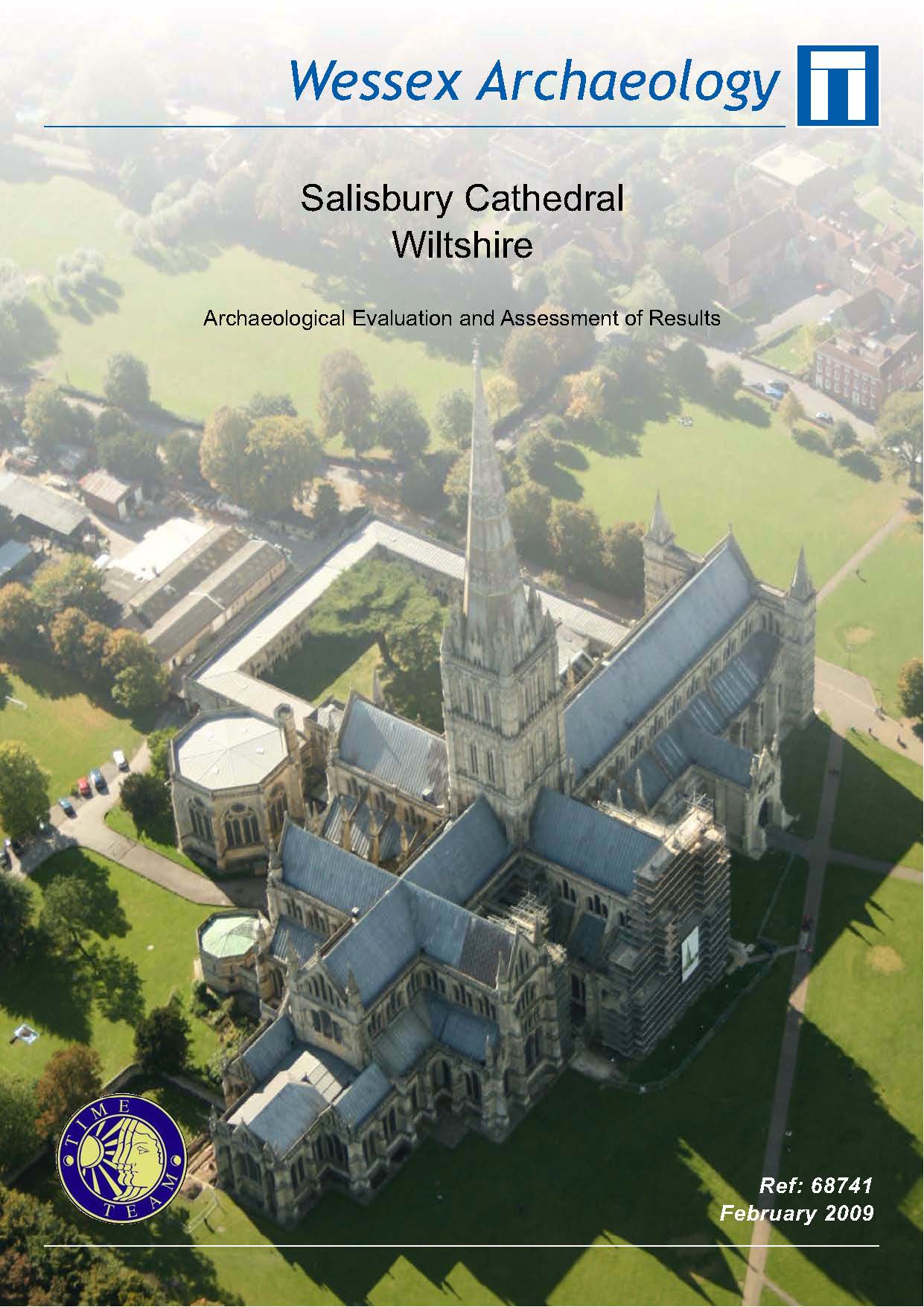
Time Team - Salisbury Cathedral, Wiltshire - Archaeological Evaluation and Assessment of Results
Published: 2009-02-01
Subjects: Medieval Funerary Site, Medieval Religious Site, Post-Medieval Structure
Investigation into the Chantry Chapel revealed possible evidence of the preparation of the ground prior to the building of the Cathedral in 1220 in the form of a large chalk raft, laid down to create a dry working platform and to stabilise the ground, and possible evidence of an earlier cemetery of 1219. The buttresses of the 1220 construction were revealed and were clearly disturbed by the [...]
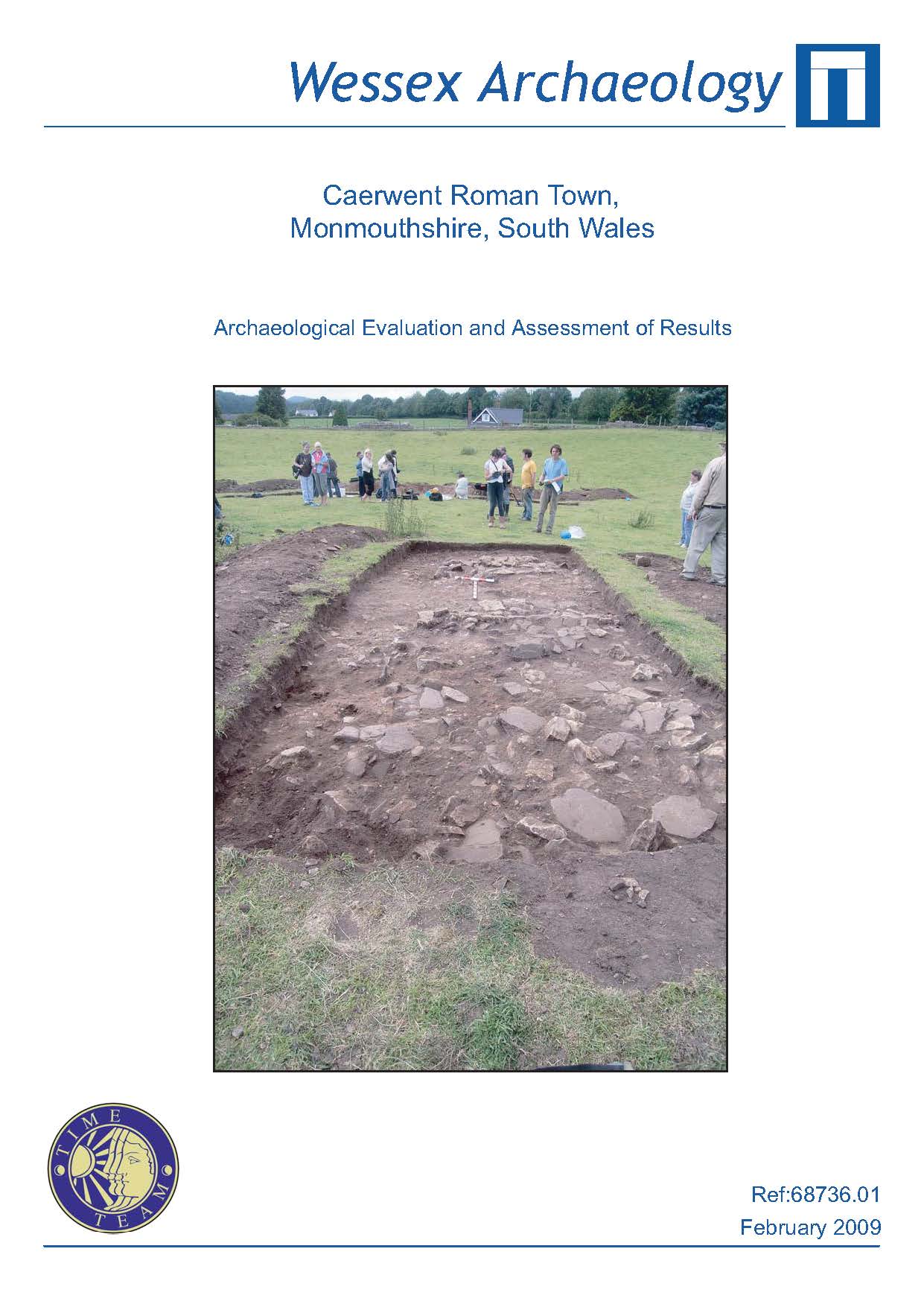
Time Team - Caerwent Roman Town, Monmouthshire, South Wales - Archaeological Evaluation and Assessment of Results
Published: 2009-02-01
Subjects: Romano-British Artefacts, Romano-British Settlement, Roman Villa
The project aimed to carry out a limited programme of non-intrusive investigations and evaluation trenching over three days. Fieldwork consisted of seven machine excavated trial trenches as well as geophysical and topographic surveys. The geophysical survey clearly demonstrated the potential usefulness of these techniques, particularly ground penetrating radar, for providing detailed information [...]
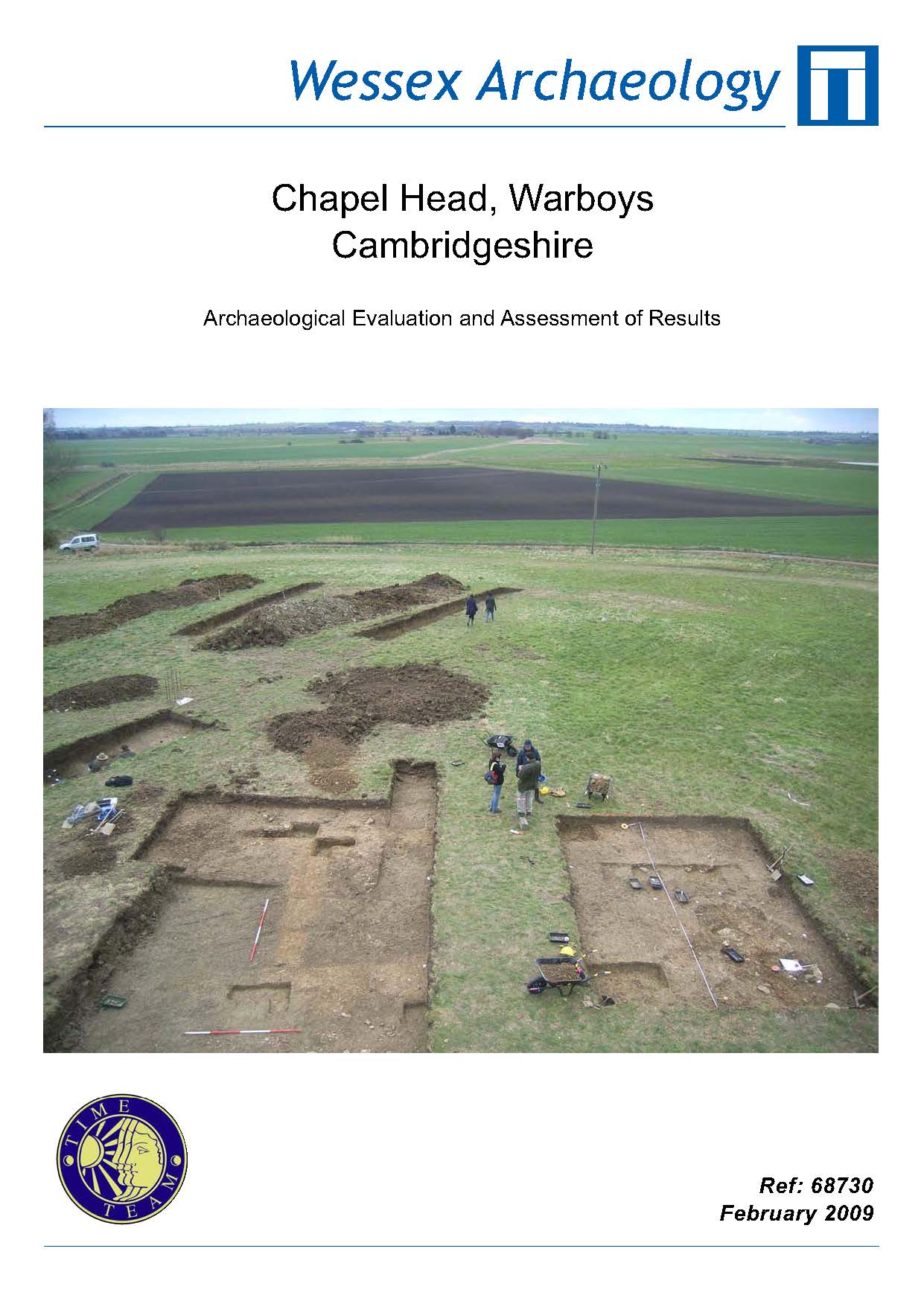
Time Team - Chapel Head, Warboys, Cambridgeshire - Archaeological Evaluation and Assessment of Results
Published: 2009-02-01
Subjects: Medieval Artefacts, Medieval Structure
The primary aim of the evaluation was to see whether there had actually been a medieval chapel on the site, as implied by the later field name. During the evaluation an east-west aligned structure measuring some 13.8 by 6.0m was uncovered, although this had been almost entirely robbed out. The structure lay within a series of ditches that appeared to form a surrounding enclosure. These features [...]
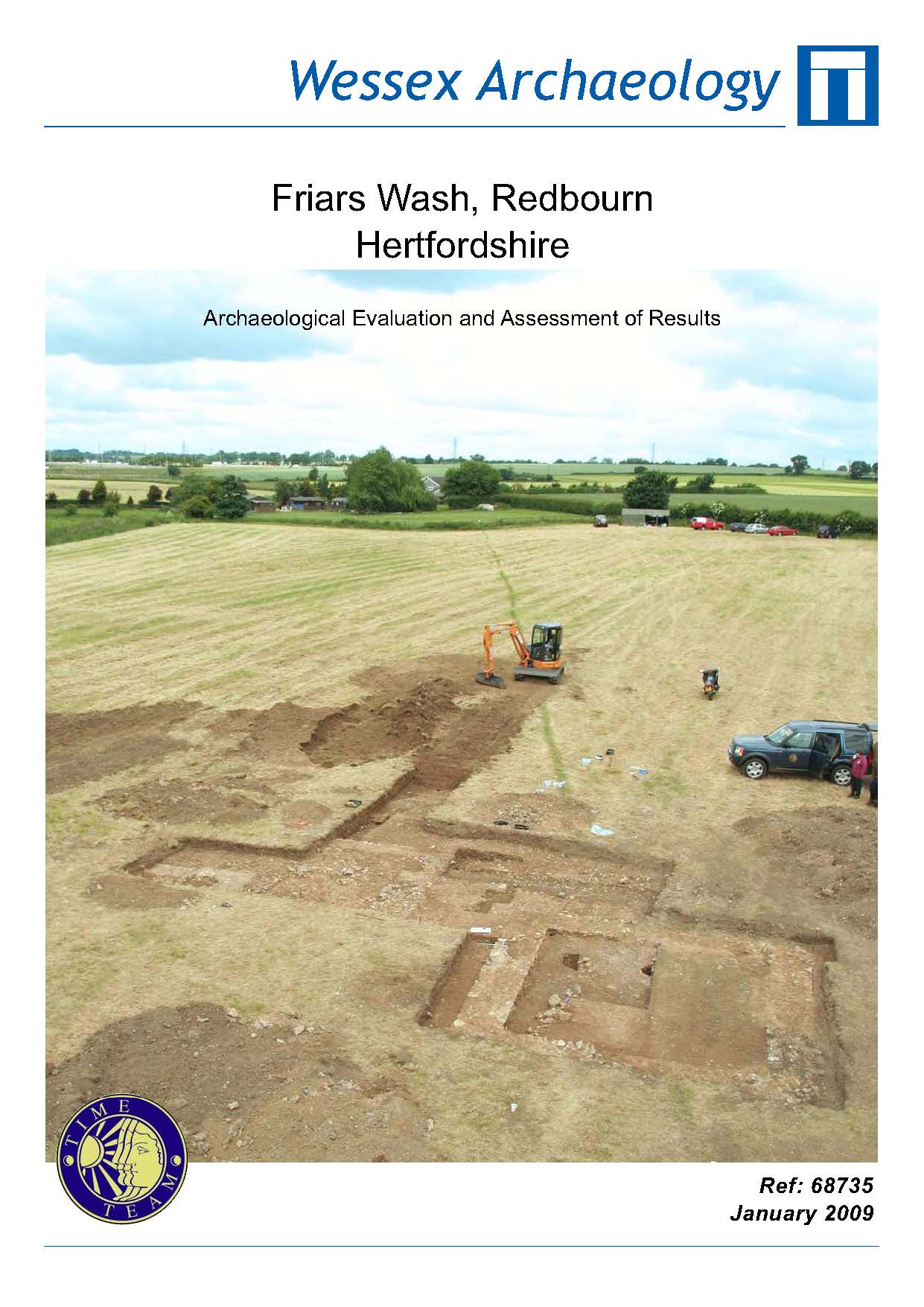
Time Team - Friars Wash, Redbourn, Hertfordshire - Archaeological Evaluation and Assessment of Results
Published: 2009-01-01
Subjects: Romano-British Artefacts, Romano-British Religious Site, Romano-British Structure
The fieldwork comprised geophysical survey and four evaluation trenches. Geophysical survey identified several anomalies that coincided with the features visible on the aerial photograph, and the four evaluation trenches were targeted on the various possible masonry structures and ditches identified. The earliest deposits encountered comprise possible buried soils recorded in Trenches 1 and 2, [...]
Time Team - Radcot, Oxfordshire - Archaeological Evaluation and Assessment of Results
Published: 2009-01-01
Subjects: Medieval Artefacts, Medieval Defences, Medieval Structure, Post-Medieval Defences, Post-Medieval Structure, Romano-British Agriculture
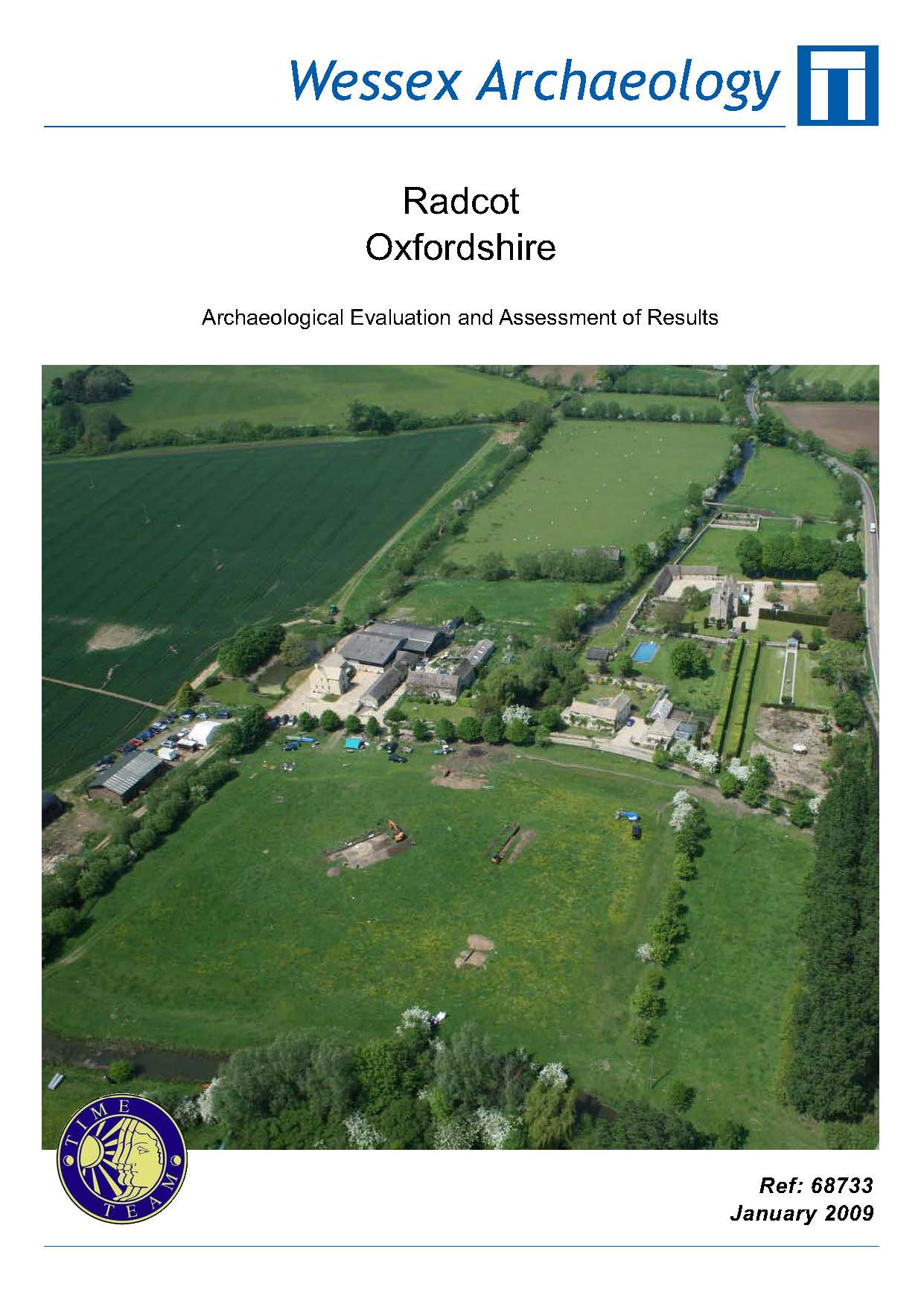
A small evaluation trench was subsequently dug across part of the keep by John Blair of Oxford University. The evaluation by Time Team added to the information gathered previously by revealing the north-eastern corner of the keep and also the supporting pier for the first floor of the castle within the interior. The remains of the heavily robbed gatehouse and main access road into the castle [...]
Time Team - Castle Farm, Scargill, Country Durham - Archaeological Evaluation and Assessment of Results
Published: 2009-01-01
Subjects: Medieval Defences, Medieval Structure
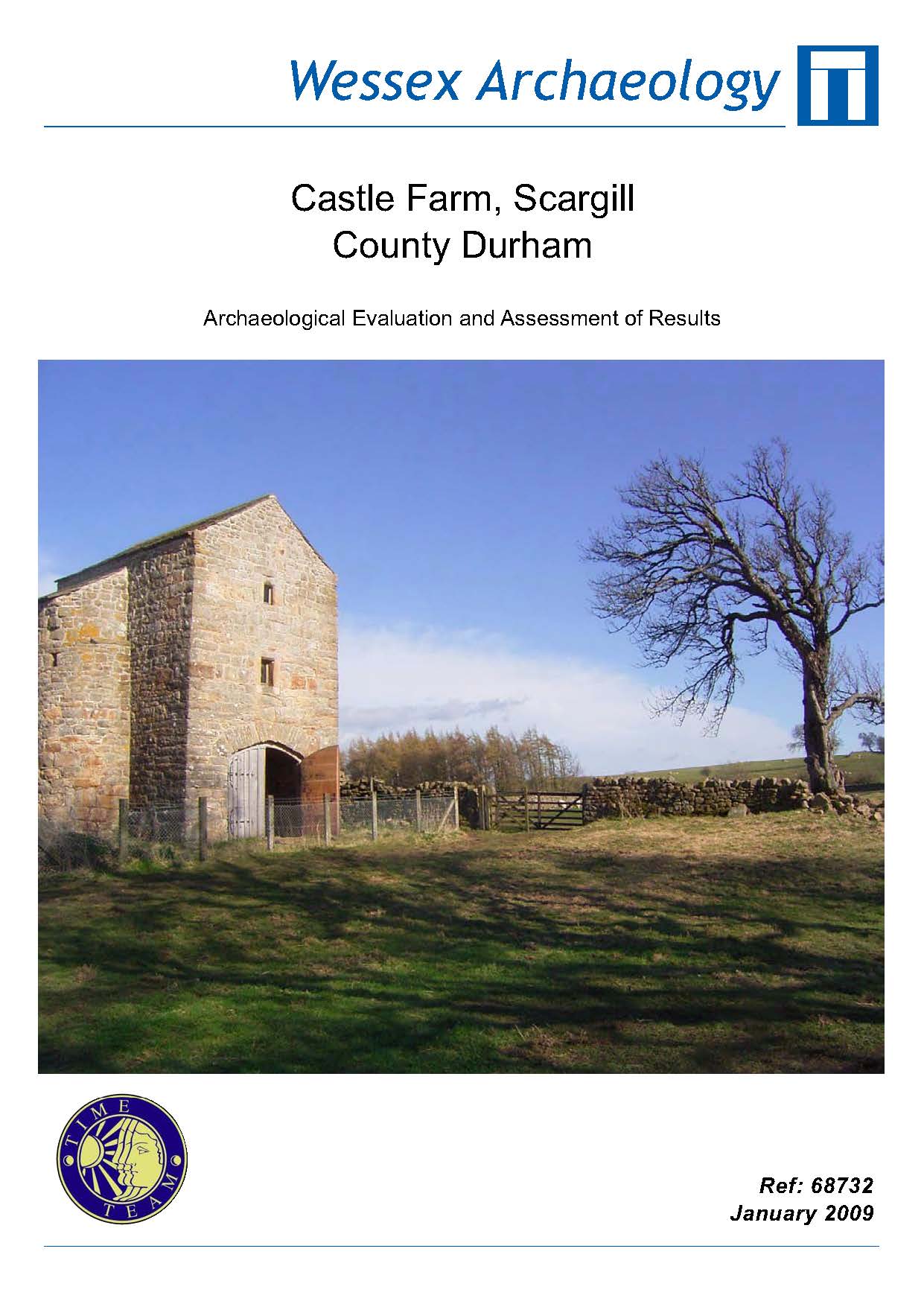
An evaluation comprising seven trenches, as well as some further exploration of the gatehouse, confirmed two periods of use of the manor house. In the 12th-14th century the residence appears to have had a defensive function, with a large curtain wall and a barmkin (walled enclosure) to the south-east. After an apparent hiatus in occupation the manor appears to have been reoccupied and [...]
Kingsmere Estate - Digging into the Past
Published: 2009-01-01
Subjects: Anglo-Saxon Structure, Bronze Age Artefacts, Bronze Age Funerary Site, Neolithic Artefacts, Neolithic Funerary Site, Romano-British Artefacts, Romano-British Structure
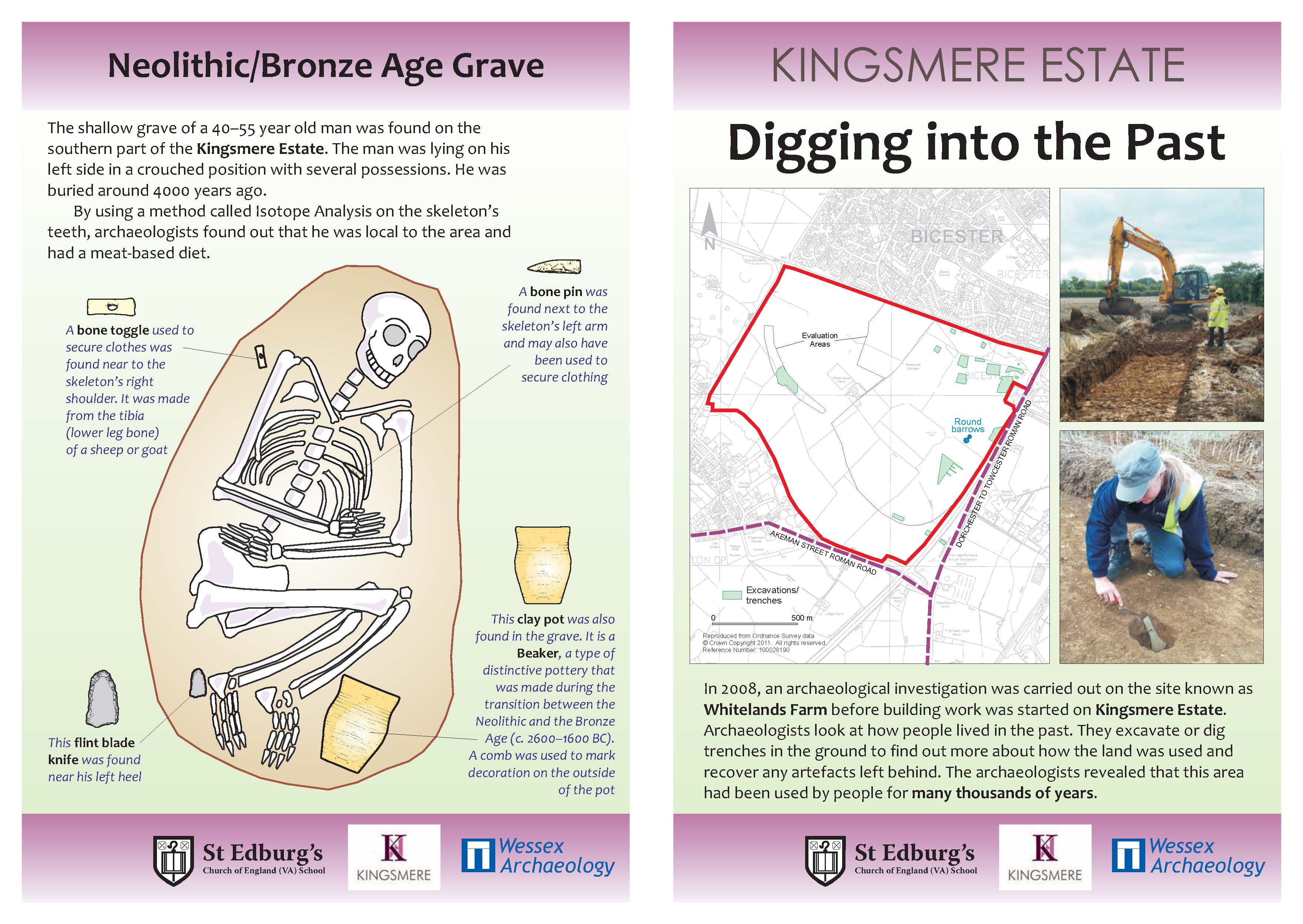
Leaflet on works at Kingsmere Estate
Time Team - Risehill Tunnel Navvy Camp, Cumbria - Archaeological Evaluation and Assessment of Results
Published: 2008-12-01
Subjects: Post-Medieval Industry, Post-Medieval Structure, Post-Medieval Transport
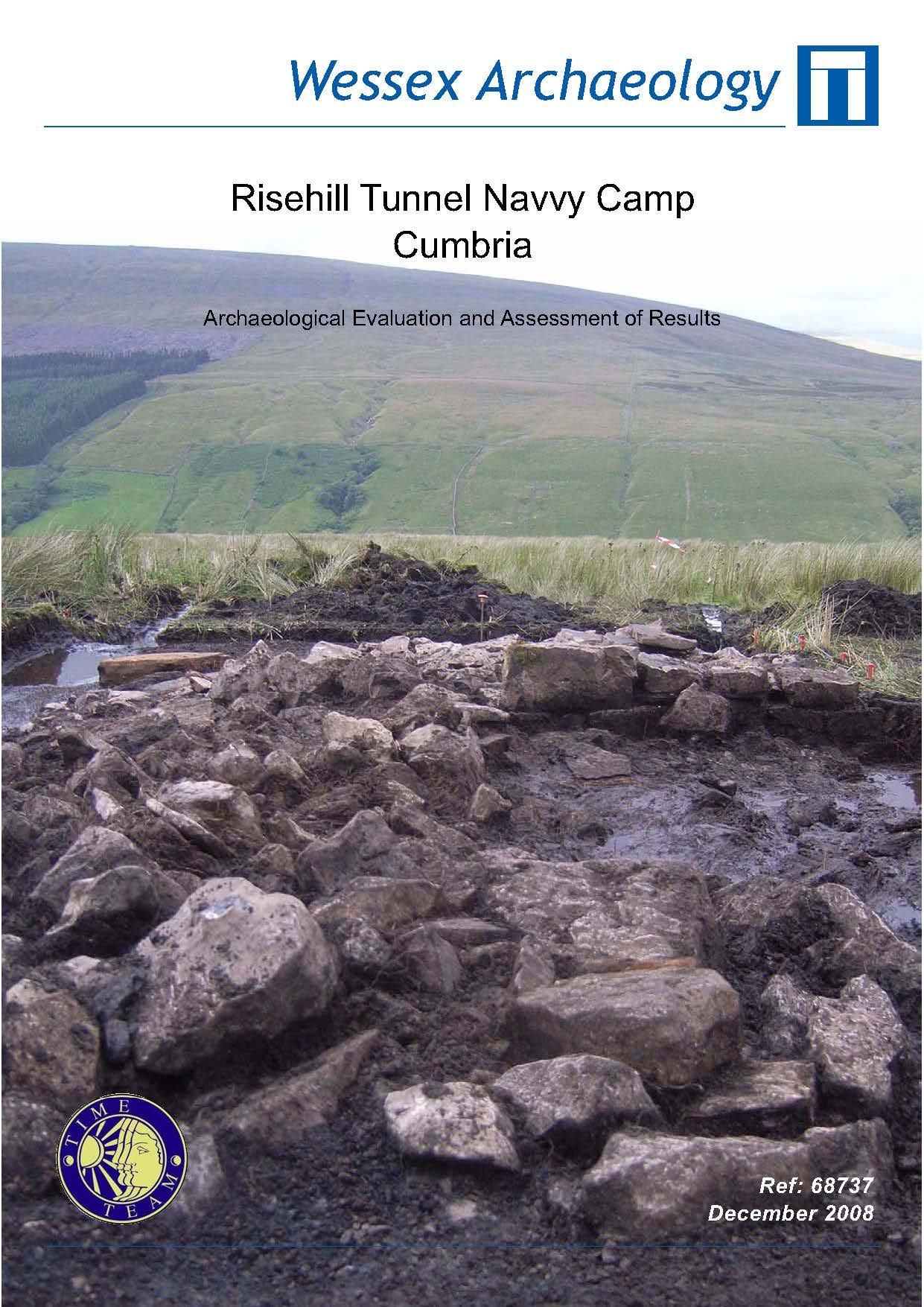
The evaluation highlighted the generally good preservation of the Site, although many of the buildings appear to have been of timber with only rough stone foundations. Specialisation and division of different parts of the Site between settlement and working areas was seen. Trenches 1 and 5 were positioned to locate what appears to have been a residential hut. The bedding for a tramway that ran [...]
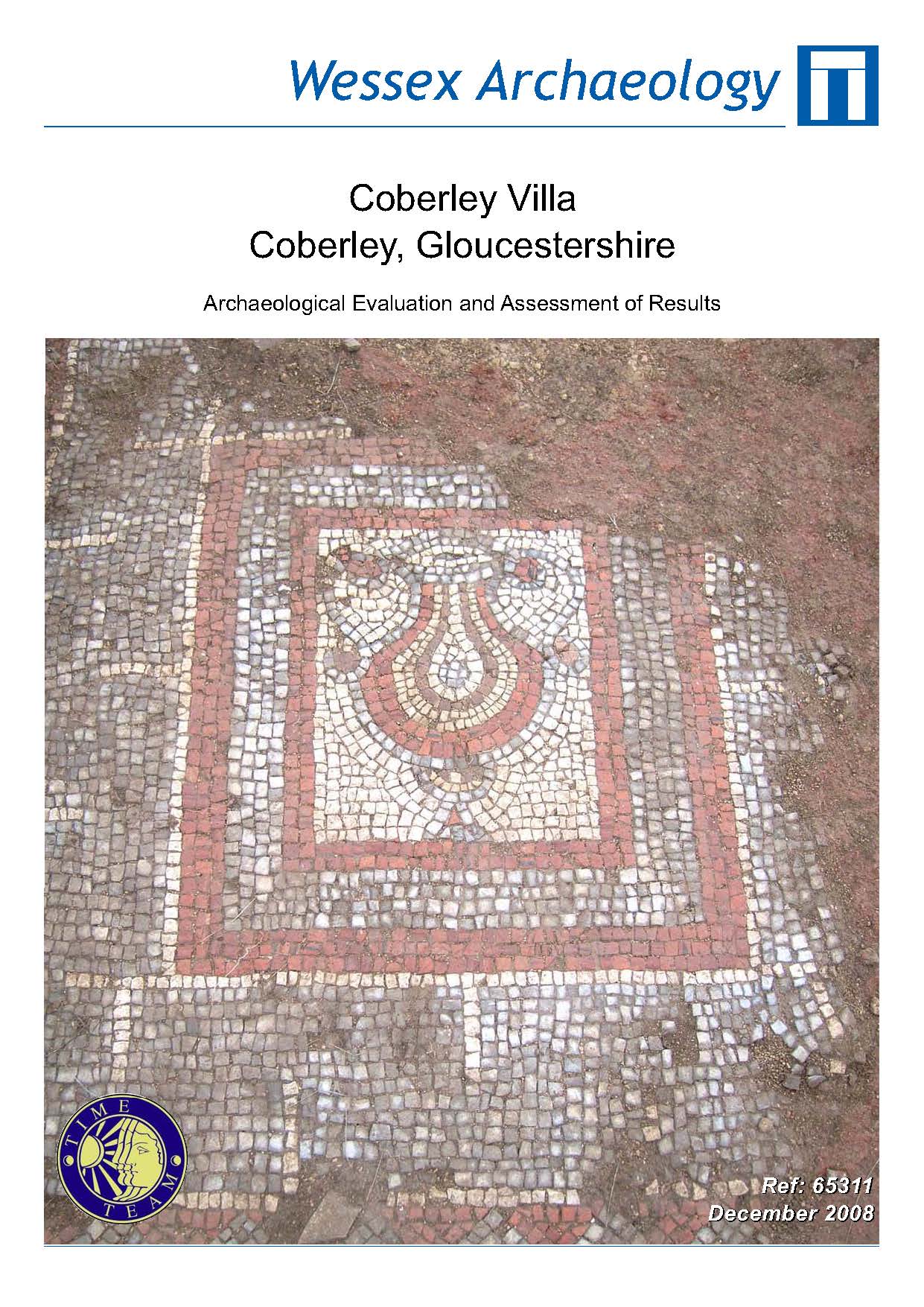
Time Team - Coberley Villa, Coberley, Gloucestershire - Archaeological Evaluation and Assessment of Results
Published: 2008-12-01
Subjects: Romano-British Industry, Roman Villa
Eleven trenches were excavated to investigate the extent, character and condition of the Coberley villa remains. The trenches targeted a mosaic pavement discovered by metal detectorists in 2003 and structural remains indicated by geophysical surveying to exist in the vicinity of the mosaic. The remains of a demolished villa were recorded which appeared to have been H-shaped in plan. The [...]
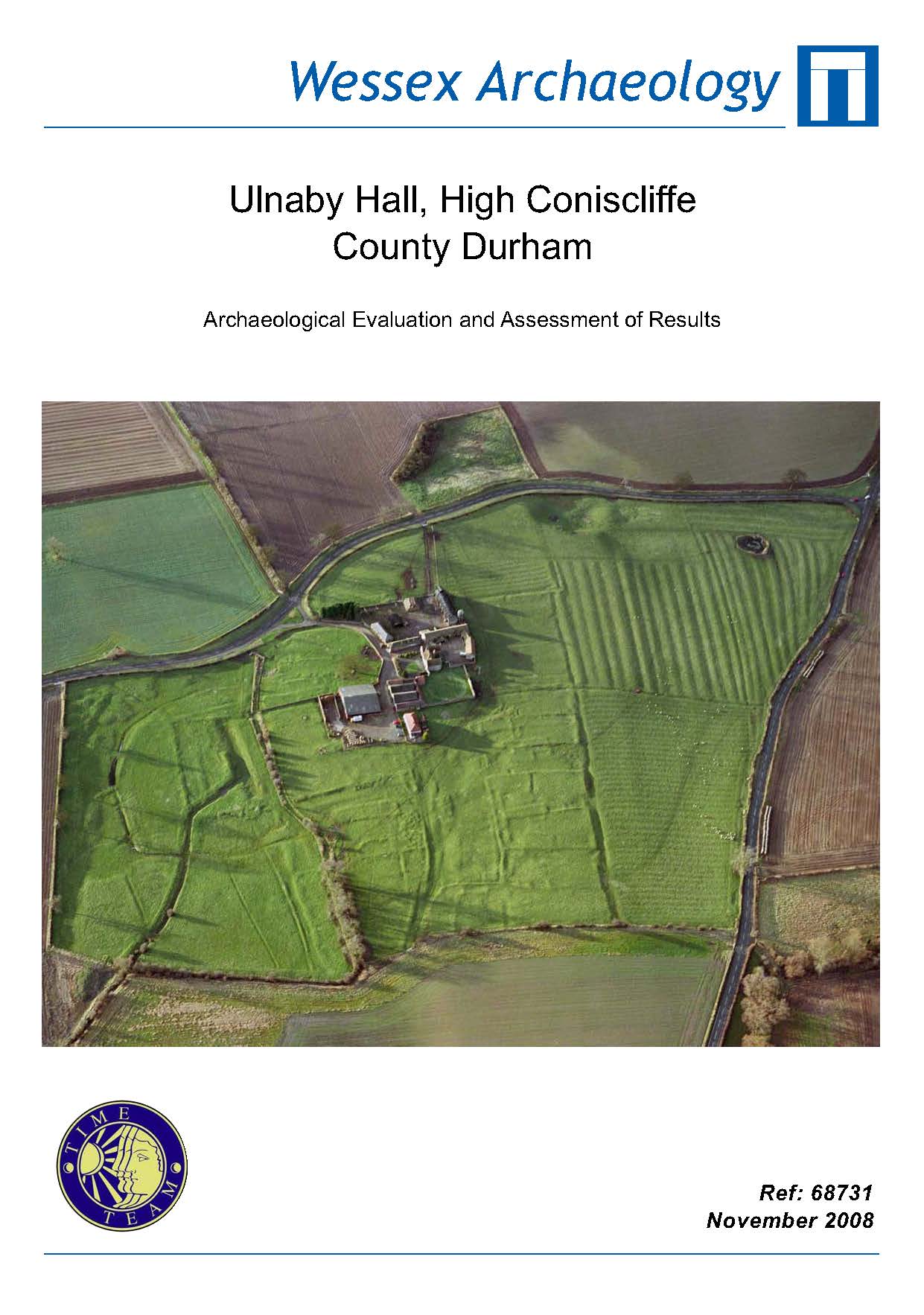
Time Team - Ulnaby Hall, High Coniscliffe, County Durham - Archaeological Evaluation and Assessment of Results
Published: 2008-11-01
Subjects: Medieval Settlement, Medieval Structure
An evaluation comprising eight trenches largely confirmed the results of the 2007 earthwork survey carried out by English Heritage, while highlighting the different information that can be gained from excavation as opposed to non-intrusive methods. The village of Ulnaby appears to have been occupied for a relatively short period of time beginning in the late 13th or early 14th century, [...]
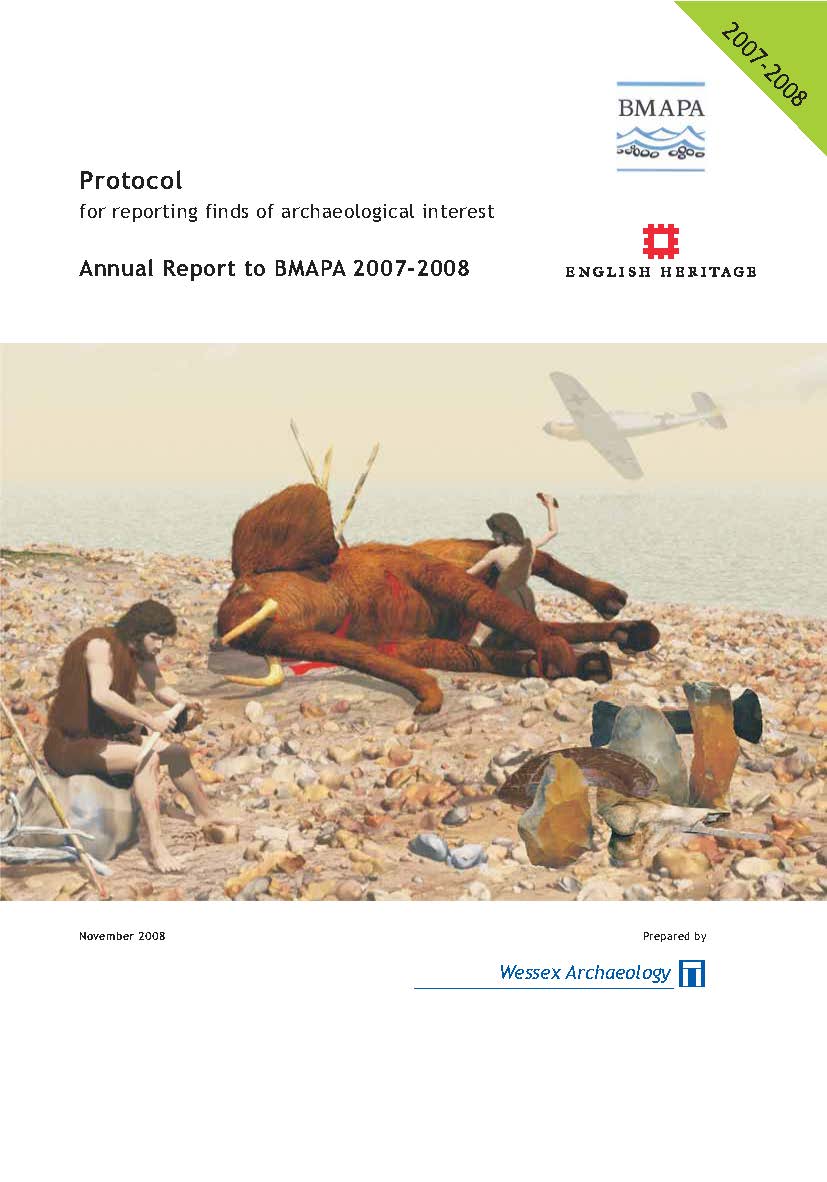
Annual Report to BMAPA 2007-2008
Published: 2008-11-01
Subjects: Marine Archaeology
Protocol for reporting finds of archaeological interest.
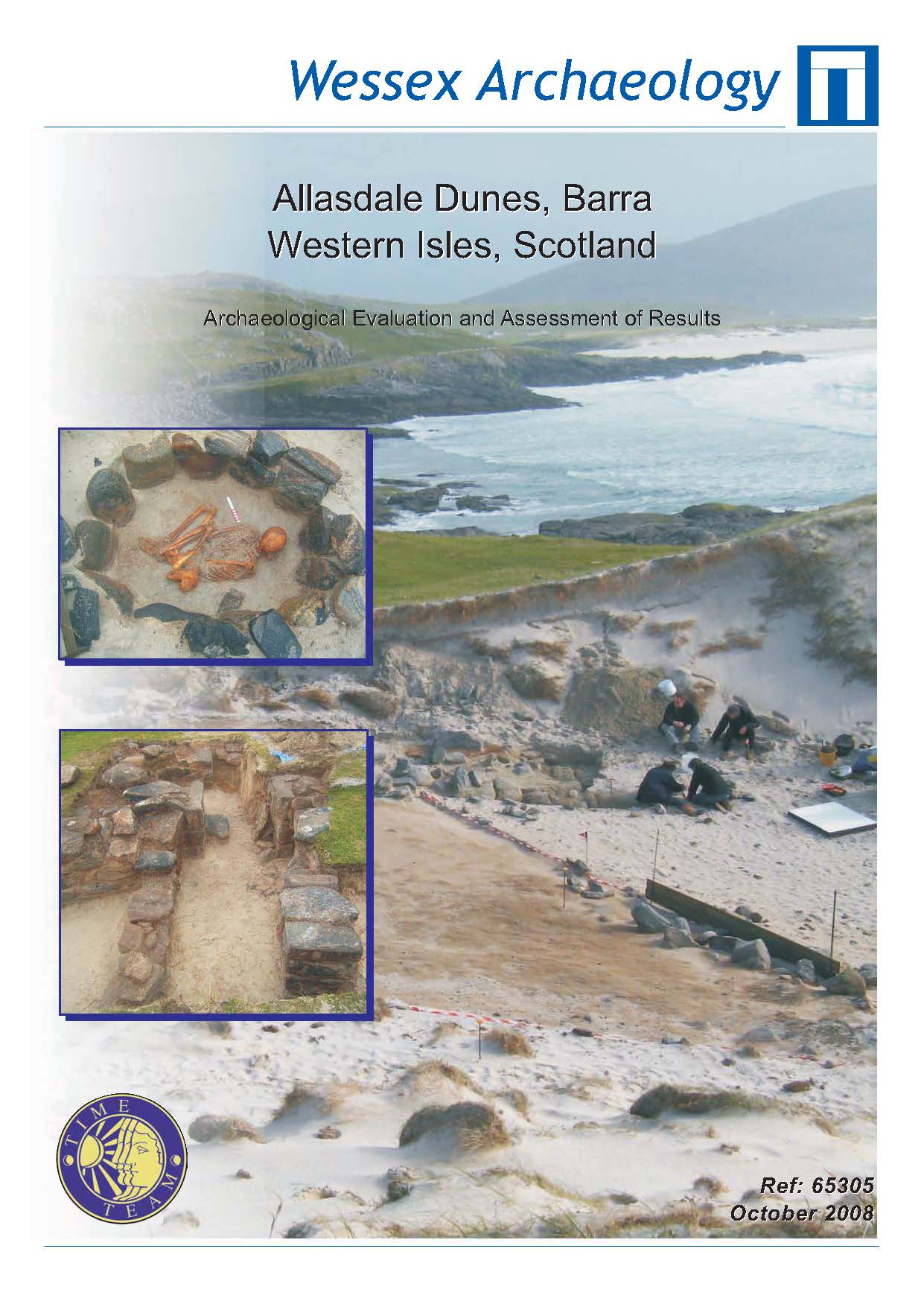
Time Team - Allasdale Dunes, Barra, Western Isles, Scotland - Archaeological Evaluation and Assessment of Results
Published: 2008-10-01
Subjects: Bronze Age Funerary Site, Iron Age Settlement, Iron Age Structure, Neolithic Structure
The evaluation revealed stratified archaeological deposits potentially dating from the Late Neolithic through to the Iron Age. These included a possible Neolithic building and associated cultivation soil; a number of Early Bronze Age burials within stonelined cists, including inhumations and cremations, radiocarbon dated to 1880-1520 BC; and two Iron Age roundhouses, the earliest dating to [...]
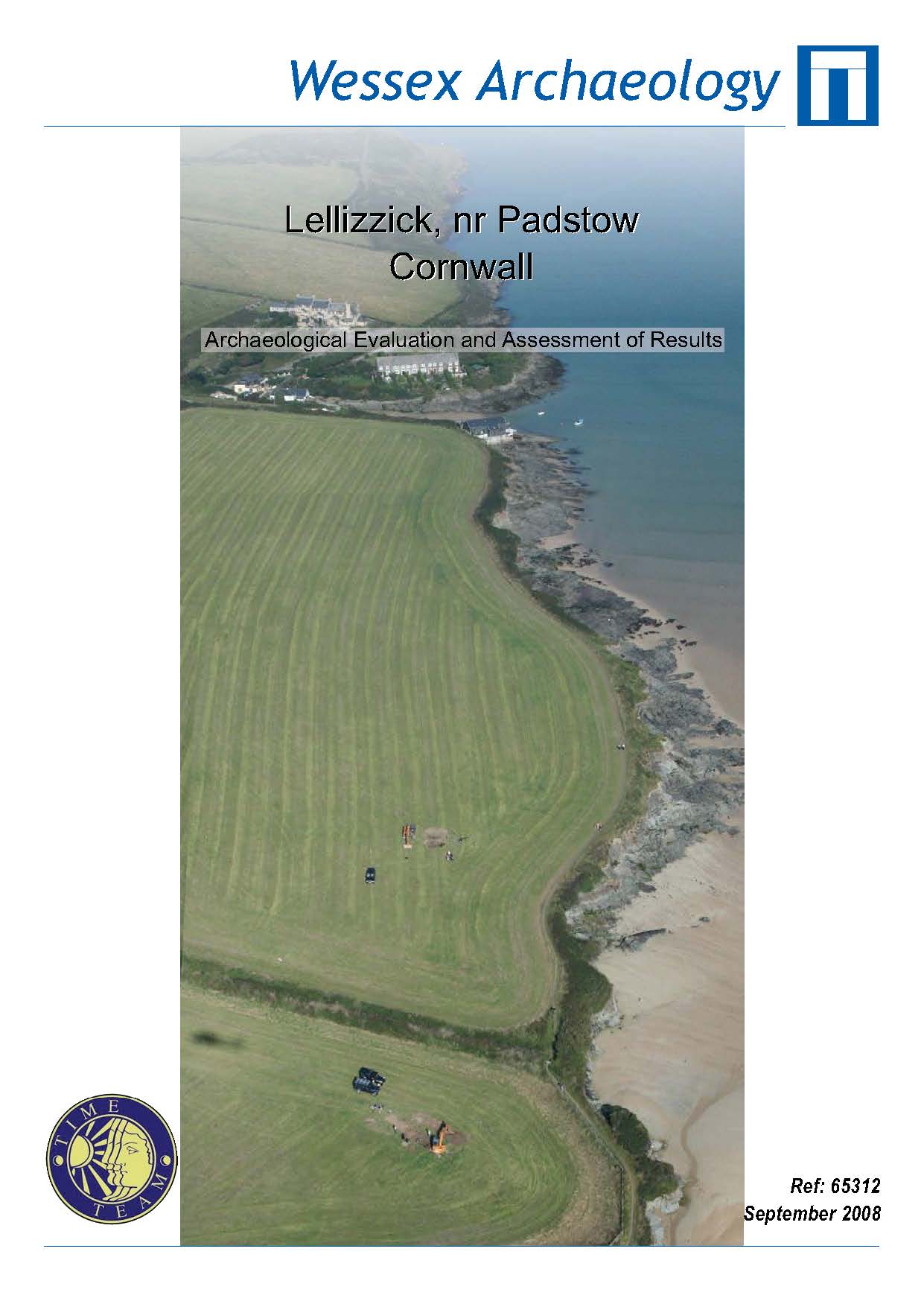
Time Team - Lellizzick, nr Padstow, Cornwall - Archaeological Evaluation and Assessment of Results
Published: 2008-09-01
Subjects: Romano-British Settlement, Romano-British Structure
The project was successful in identifying a roundhouse settlement dating from Romano-British through into the post-Roman period, with evidence of occupation over perhaps five or six centuries, although no definitive evidence for pre-Roman settlement was found. Investigation of the architectural details of the roundhouses indicated a Bronze Age building technique observed on other Cornish sites [...]
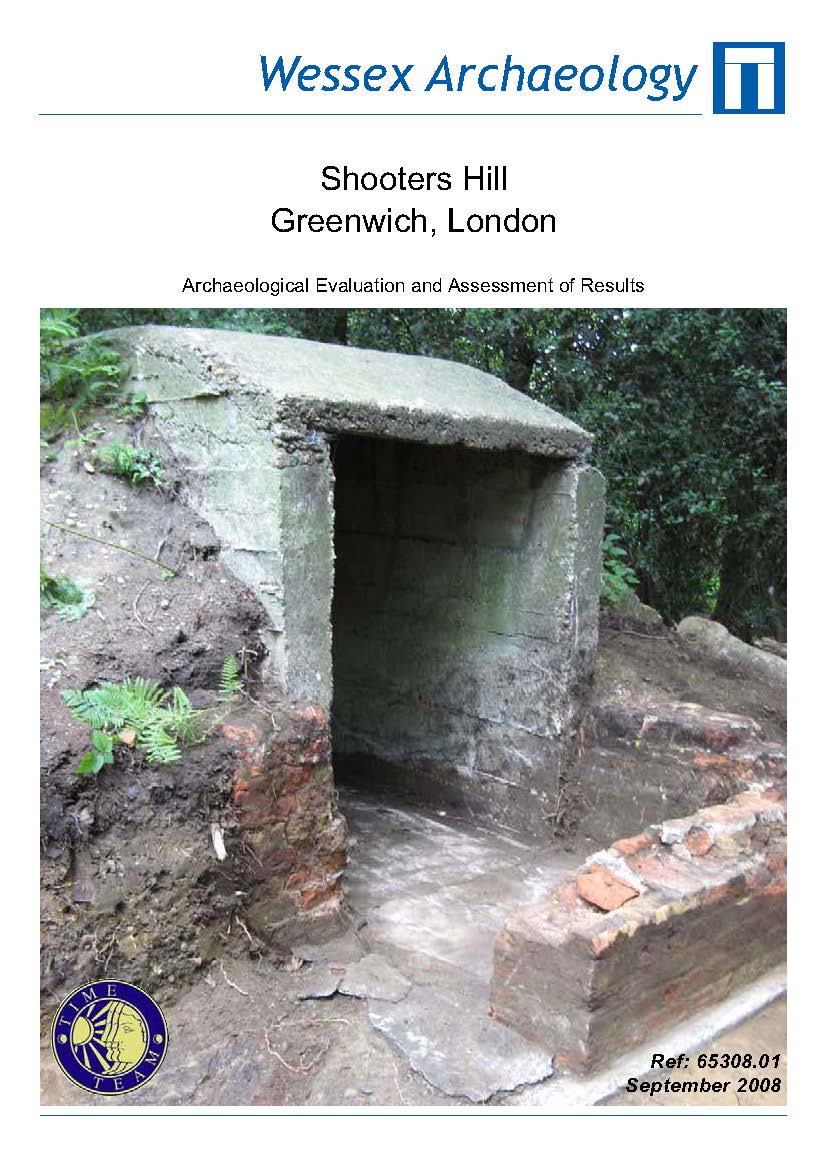
Time Team - Shooters Hill, Greenwich, London - Archaeological Evaluation and Assessment of Results
Published: 2008-09-01
Subjects: Iron Age Industry, World War II
A geophysical survey was used in an attempt to help locate the remains on Eaglesfield Park and Eltham Common, but the results proved to be limited in usefulness due to high levels of disturbance, although some possible areas of archaeological activity were located. Most features found during the evaluation proved to be of World War II date, and all five sites proved to have evidence of [...]
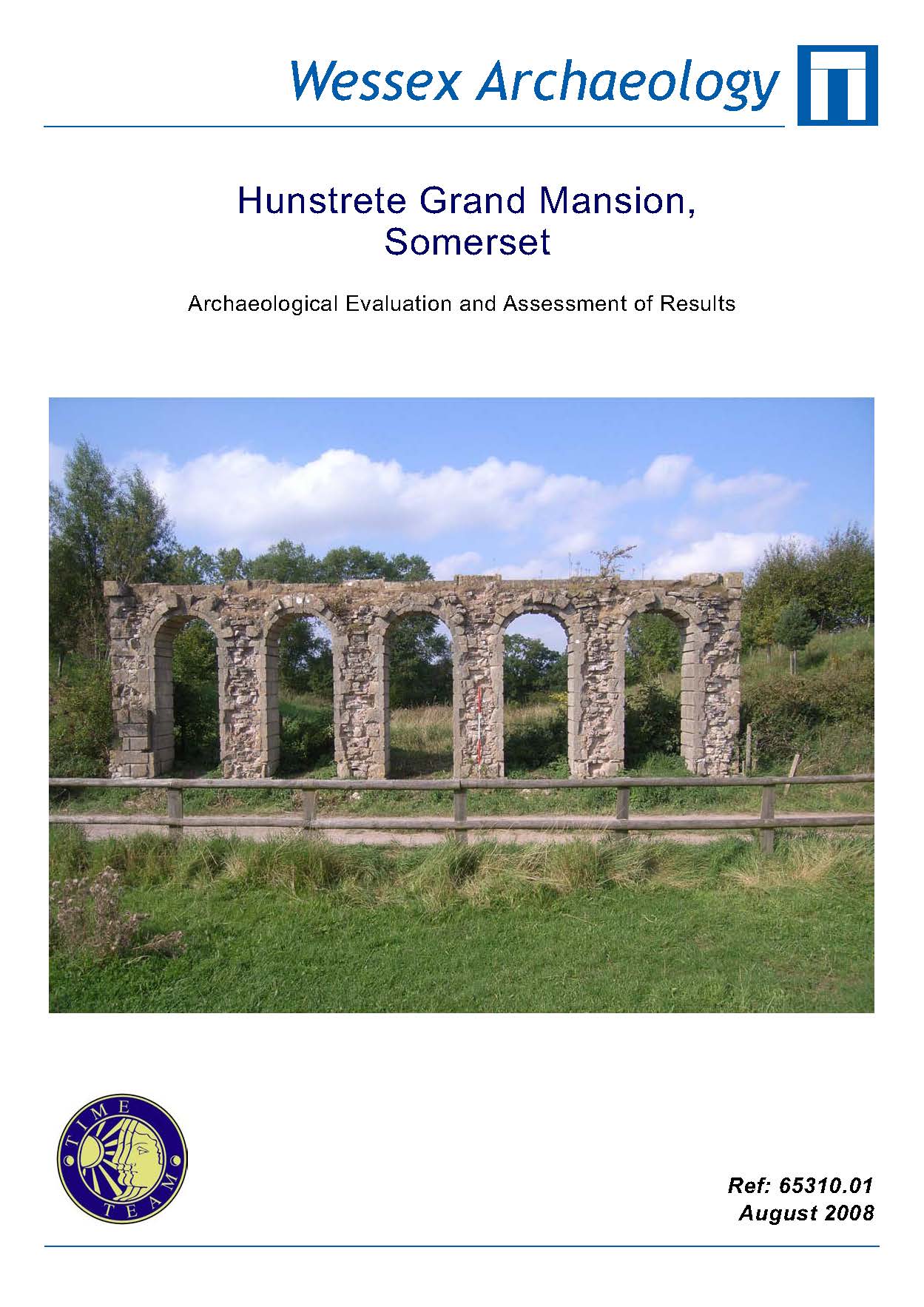
Time Team - Hunstrete Grand Mansion, Somerset - Archaeological Evaluation and Assessment of Results
Published: 2008-08-01
Subjects: Medieval Artefacts, Post-Medieval Structure
No structural evidence for the medieval manor house was recovered, although this is in accordance with the known clearance of the site for the construction of the Grand Mansion, and it is possible that some building stone from the medieval house was reused in the latter. A small quantity of residual medieval finds was encountered. The evaluation succeeded in recovering a partial ground plan of [...]