Reports
Our reports library includes fieldwork, geophysical, geoarchaeological, marine and post-excavation reports from our archaeological and heritage projects across the UK.
There are 460 Reports listed.
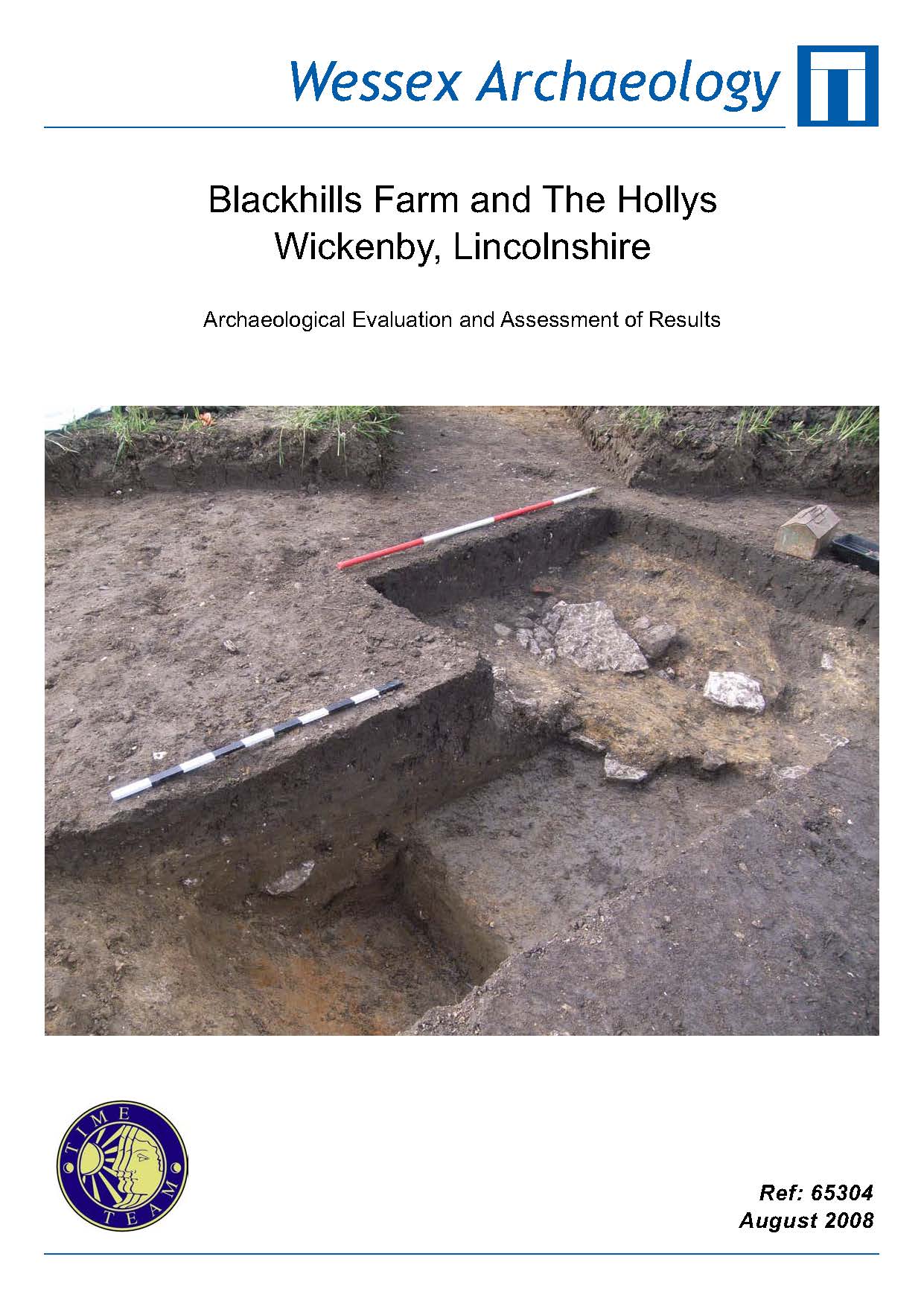
Time Team - Blackhills Farm and The Hollys, Wickenby, Lincolnshire - Archaeological Evaluation and Assessment of Results
Published: 2008-08-01
Subjects: Iron Age Enclosure, Medieval Agriculture, Romano-British Enclosure
An evaluation comprising eight trenches confirmed the density of Iron Age and Romano-British activity on the Site. Geophysical evidence suggested three main phases of use on three separate alignments. The earliest activity appeared to comprise a number of penannular ditch structures and a north-west – south-east alignment of linear boundaries, thought to be Late Iron Age or early Romano-British [...]
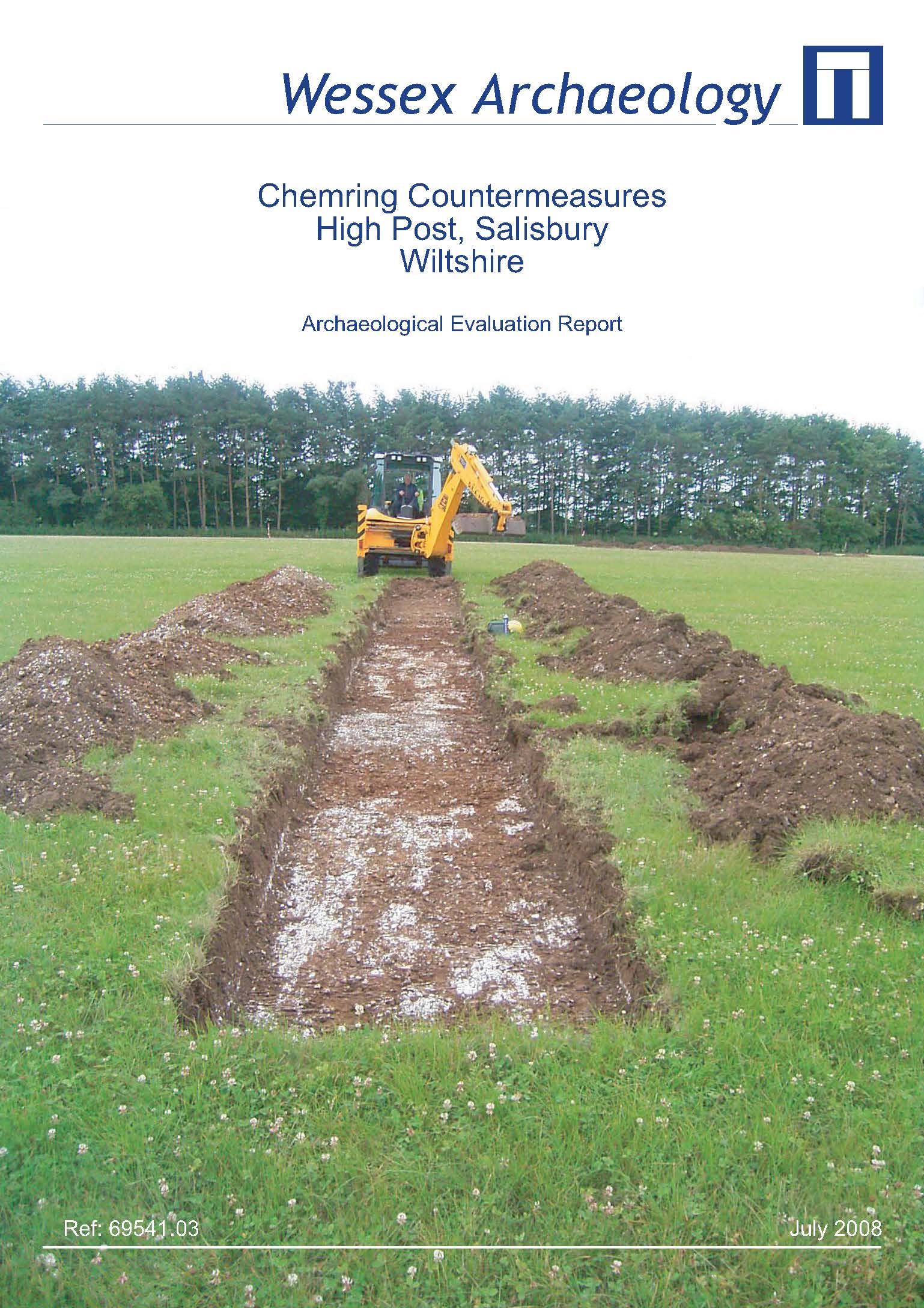
Chemring Countermeasures, High Post, Salisbury - Archaeological Evaluation Report
Published: 2008-07-02
Subjects: Iron Age Settlement
Seven machine-dug trial trenches were excavated and evaluated. These revealed two Iron Age enclosures, one extending beyond the northern boundary of the Site and the other extending beyond the southern boundary into the present Chemring Countermeasures factory area.
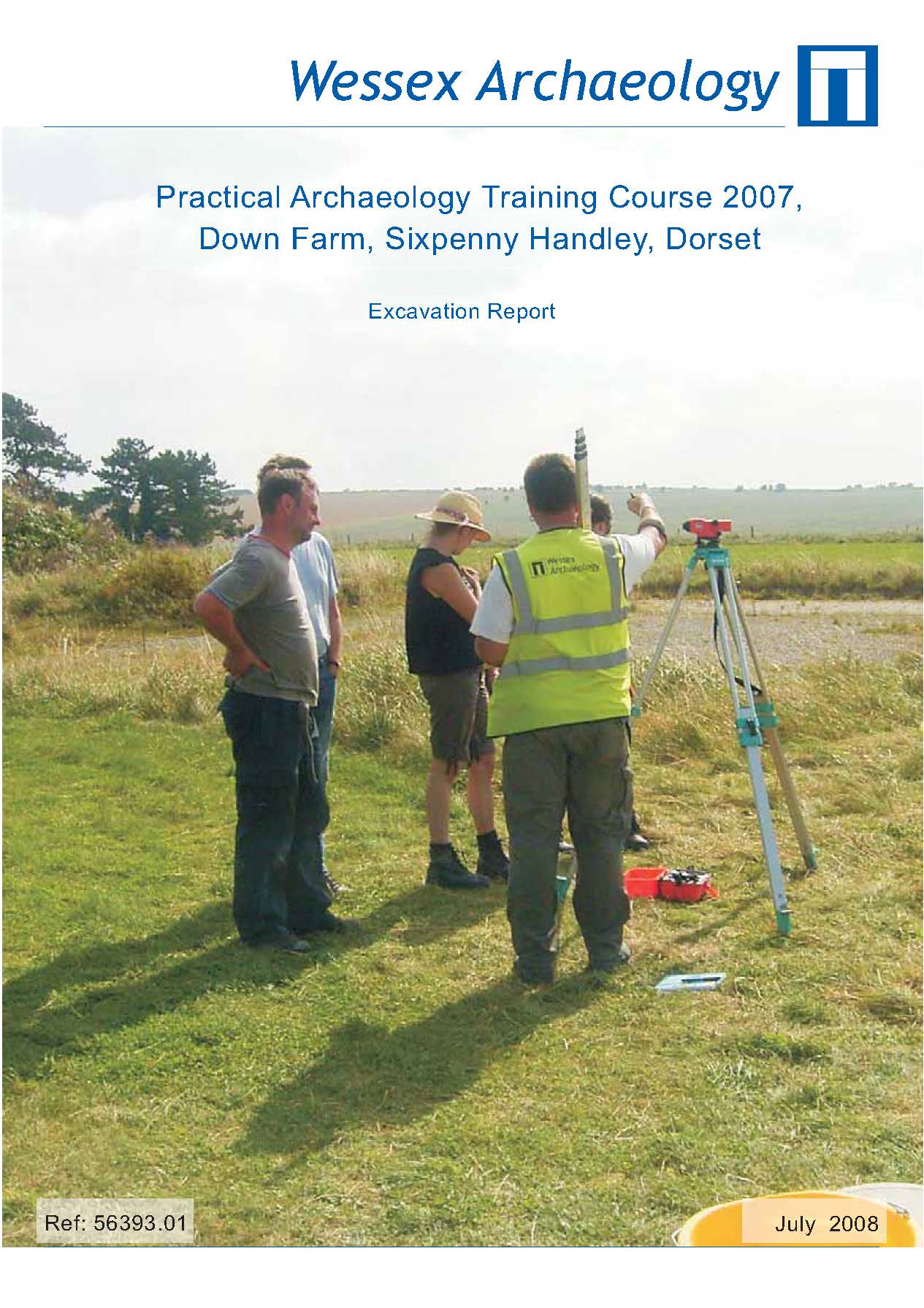
Practical Archaeology Training Course 2007, Down Farm, Sixpenny Handley, Dorset - Excavation Report
Published: 2008-07-01
Subjects: Bronze Age Artefacts, Bronze Age Ceremony, Bronze Age Enclosure, Bronze Age Settlement, Iron Age Artefacts, Iron Age Enclosure, Iron Age Settlement, Romano-British Artefacts
This was the fourth season of research excavation by Wessex Archaeology Ltd and members of the general public of a Late Bronze Age to Middle Iron Age enclosed settlement, and comprised the continuation of excavation of features in Area 3B, which were begun last year. The excavation was carried out between 3rd – 14th September 2006.
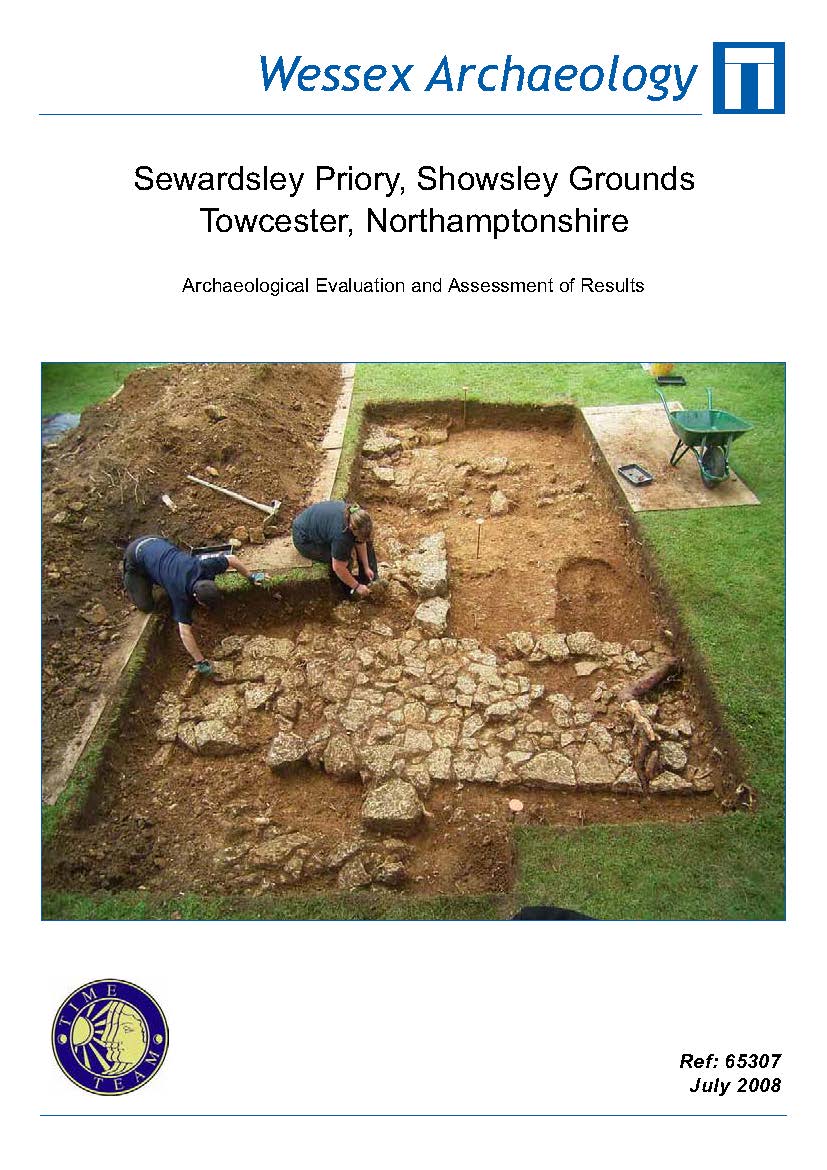
Time Team - Sewardsley Prioy, Showsley Grounds, Towcester, Northamptonshire - Archaeological Evaluation and Assessment of Results
Published: 2008-07-01
Subjects: Medieval Funerary Site, Medieval Religious Site
The evaluation revealed that the priory had a similar layout to many religious houses in Britain, based upon a 9th century hypothetical blue-print of the ideal monastery known as the St. Gall Plan. The layout comprised a central cloister with a chapel or church to the north, and ranges of buildings surrounding the remaining three sides. A number of phases of construction were identified, the [...]
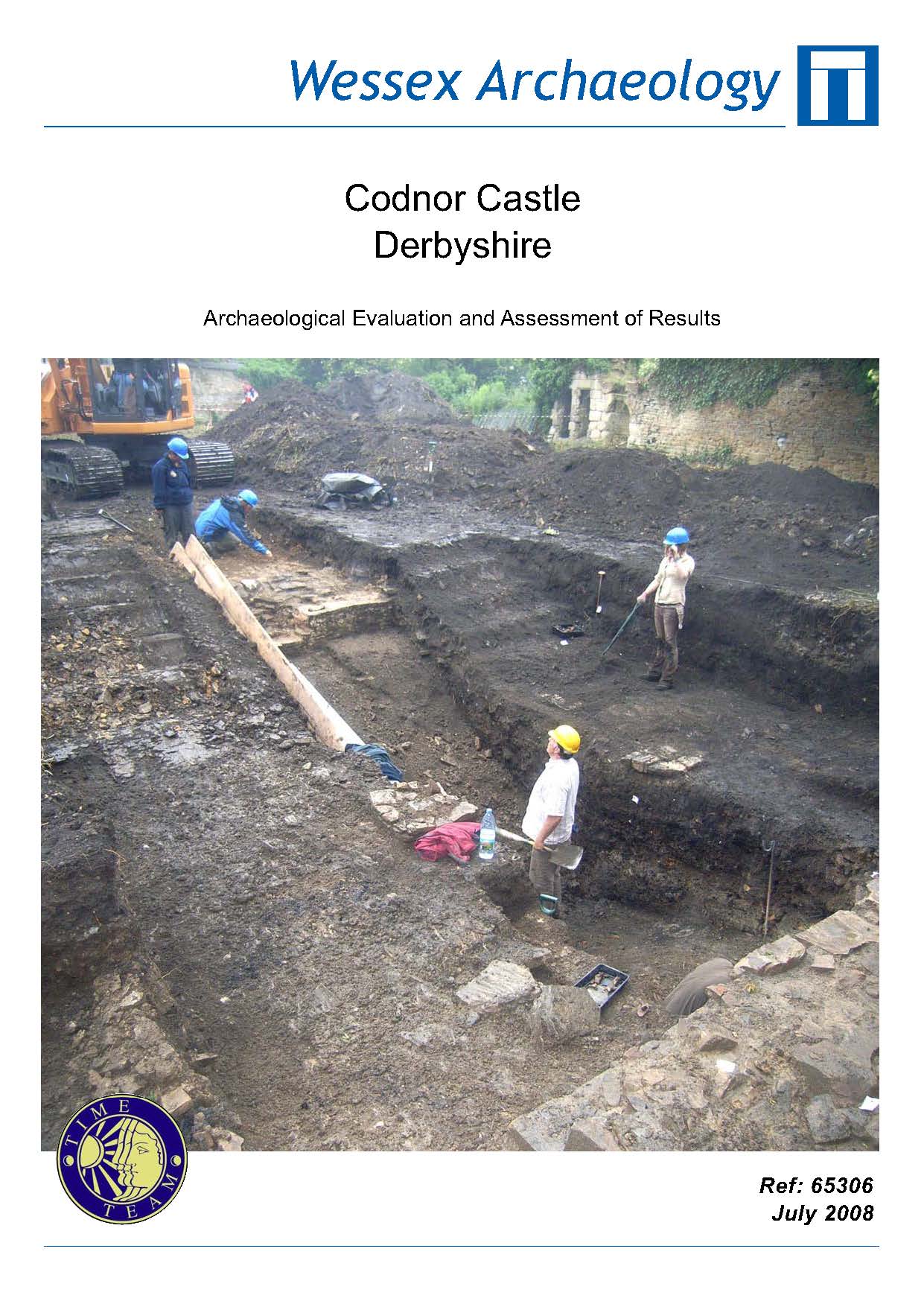
Time Team - Codnor Castle, Derbyshire - Archaeological Evaluation and Assessment of Results
Published: 2008-07-01
Subjects: Medieval Artefacts, Medieval Defences, Medieval Structure
The evaluation involved the excavation of six trenches, three in the lower court to examine the approaches to the gatehouse and three in the upper court to explore the rear of the extant gatehouse and to trace the curtain wall of the upper court. The trenches in the lower court encountered a large moat, approximately 6m wide and 3m deep, with substantial masonry abutments that would have [...]
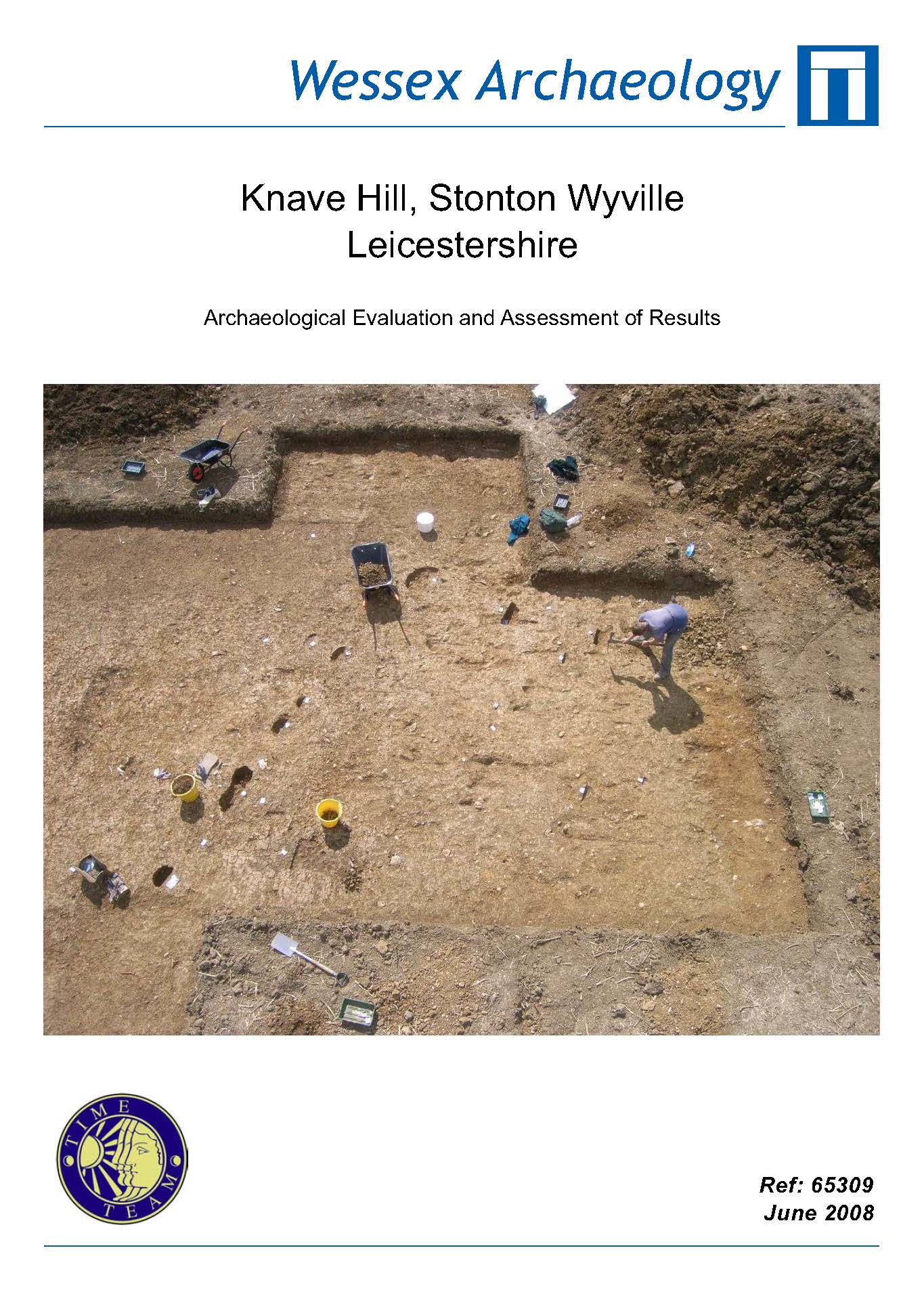
Time Team - Knave Hill, Stonton Wyville, Leicestershire - Archaeological Evaluation and Assessment of Results
Published: 2008-06-01
Subjects: Anglo-Saxon Artefacts, Anglo-Saxon Settlement, Anglo-Saxon Structure, Iron Age Enclosure, Romano-British Artefacts, Romano-British Enclosure
Geophysical survey and excavation identified a large ‘D’-shaped enclosure, which proved on excavation to date to the Late Iron Age to Romano-British period. Another possible enclosure was identified lying 120m to the east. In addition, excavation revealed two possible Anglo-Saxon post-built structures, suggesting that the Saxon settlement focus lies to the north-west of the ‘D’-shaped enclosure. [...]
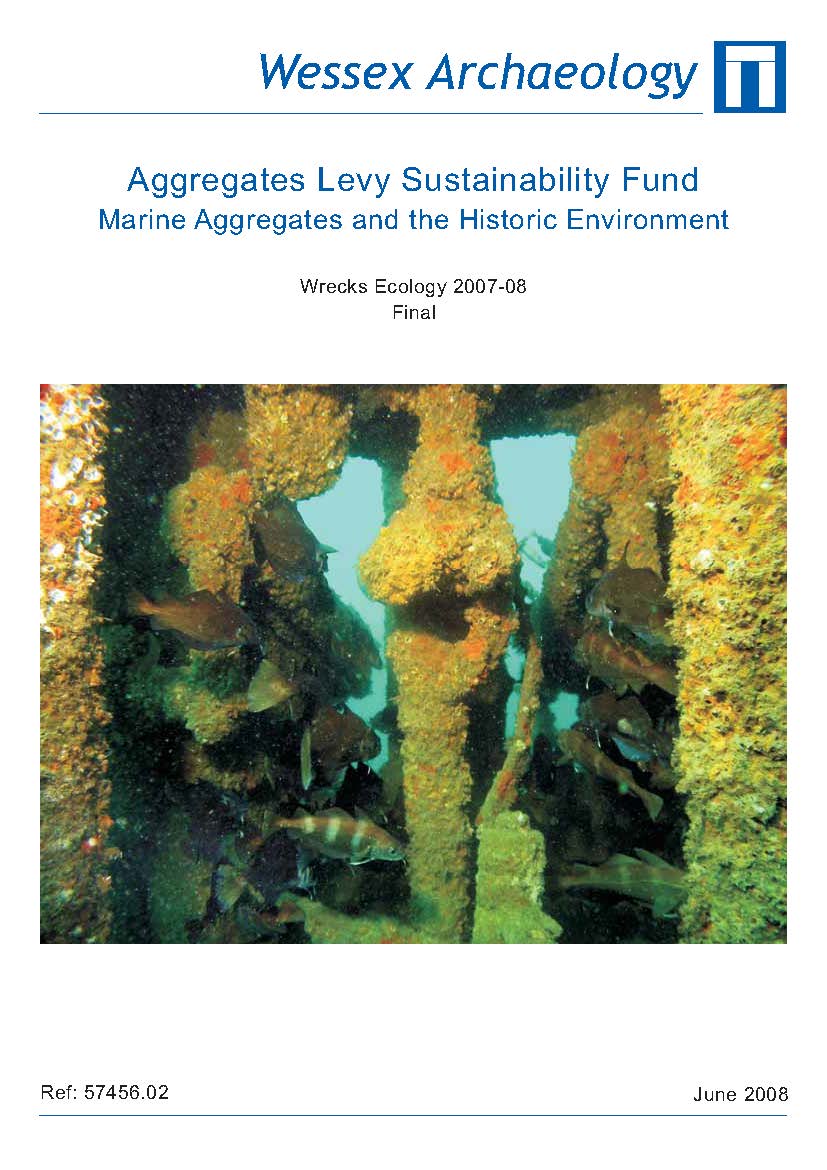
Aggregates Levy Sustainability Fund, Marine Aggregates and the Historic Environment - Wrecks Ecology 2007-08
Published: 2008-06-01
Subjects: Marine Archaeology
Wrecks Ecology Final Report
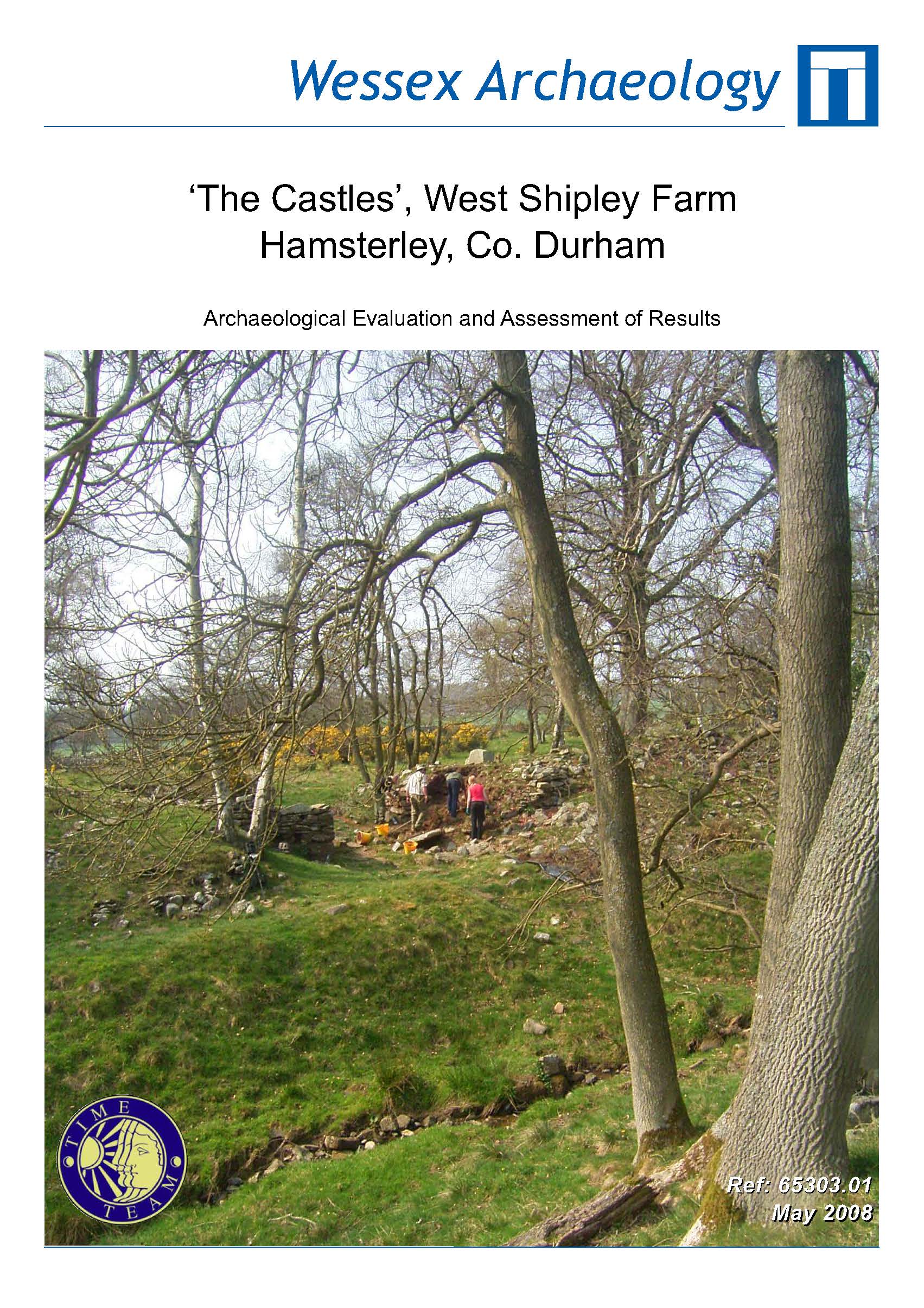
Time Team - 'The Castles', West Shipley Farm, Hamsterley, Co. Durham - Archaeological Evaluation and Assessment of Results
Published: 2008-05-01
Subjects: Early Medieval Structure, Iron Age Structure
The geophysical survey revealed few features within the interior other than north-south ridge and furrow across most of the area; confirming evidence from aerial photographs and written sources for post-medieval cultivation. Potential archaeological anomalies within the interior proved to be mostly natural in origin, one anomaly in the south corresponding with an area of flagged flooring. Further [...]
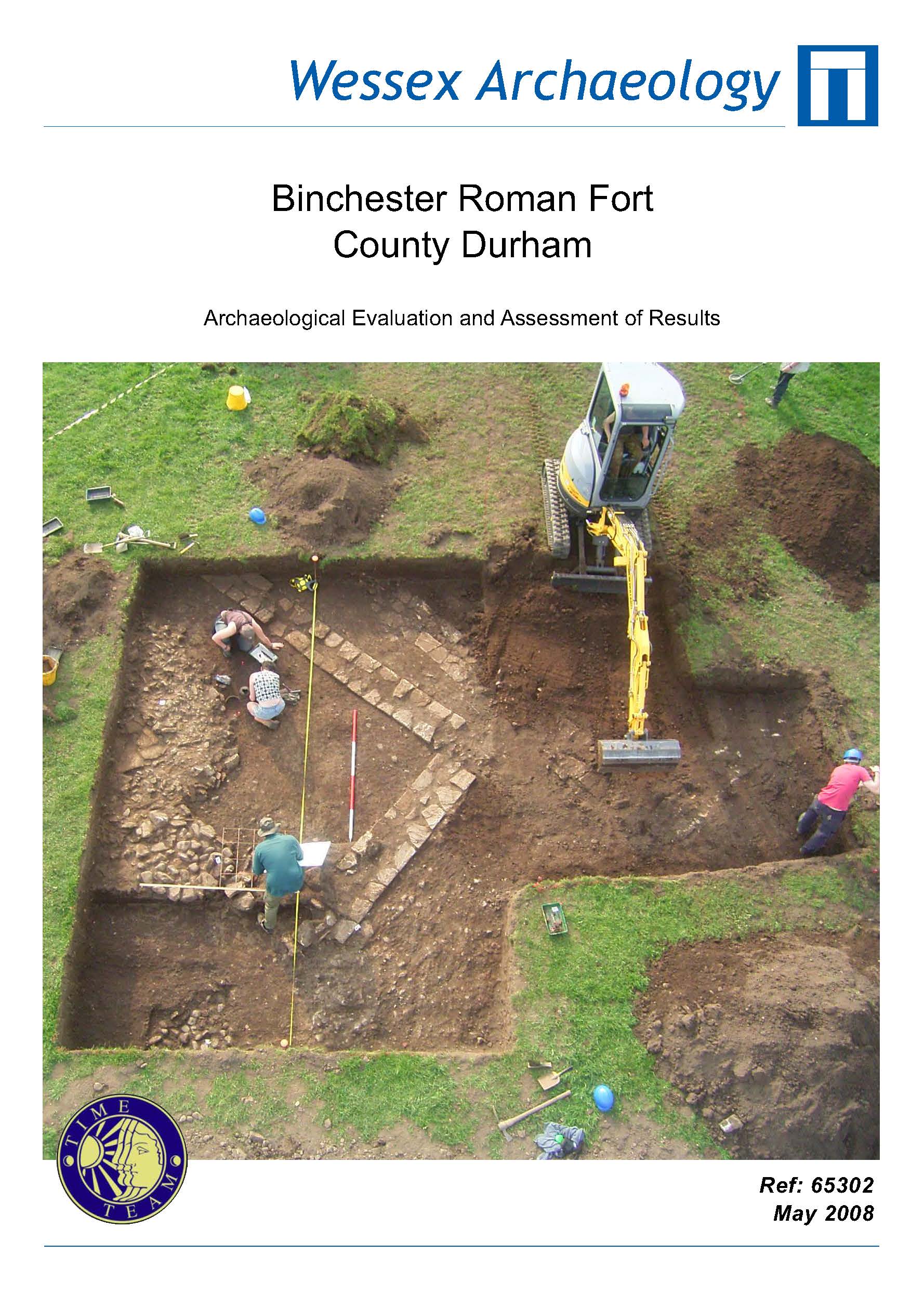
Time Team - Binchester Roman Fort, County Durham - Archaeological Evaluation and Assessment of Results
Published: 2008-05-01
Subjects: Roman Fort, Roman Military Site, Romano-British Artefacts, Romano-British Defences, Romano-British Funerary Site, Romano-British Settlement, Romano-British Structure, Roman Road
The project aims were to carry out a limited programme of non-intrusive investigations and intrusive evaluation over three days. The gradiometer results of the geophysical survey complement the earlier geophysical survey carried out by Geoquest and provide further information on the layout of the vicus (including evidence for a large associated boundary ditch). Earlier fort ditches were also [...]
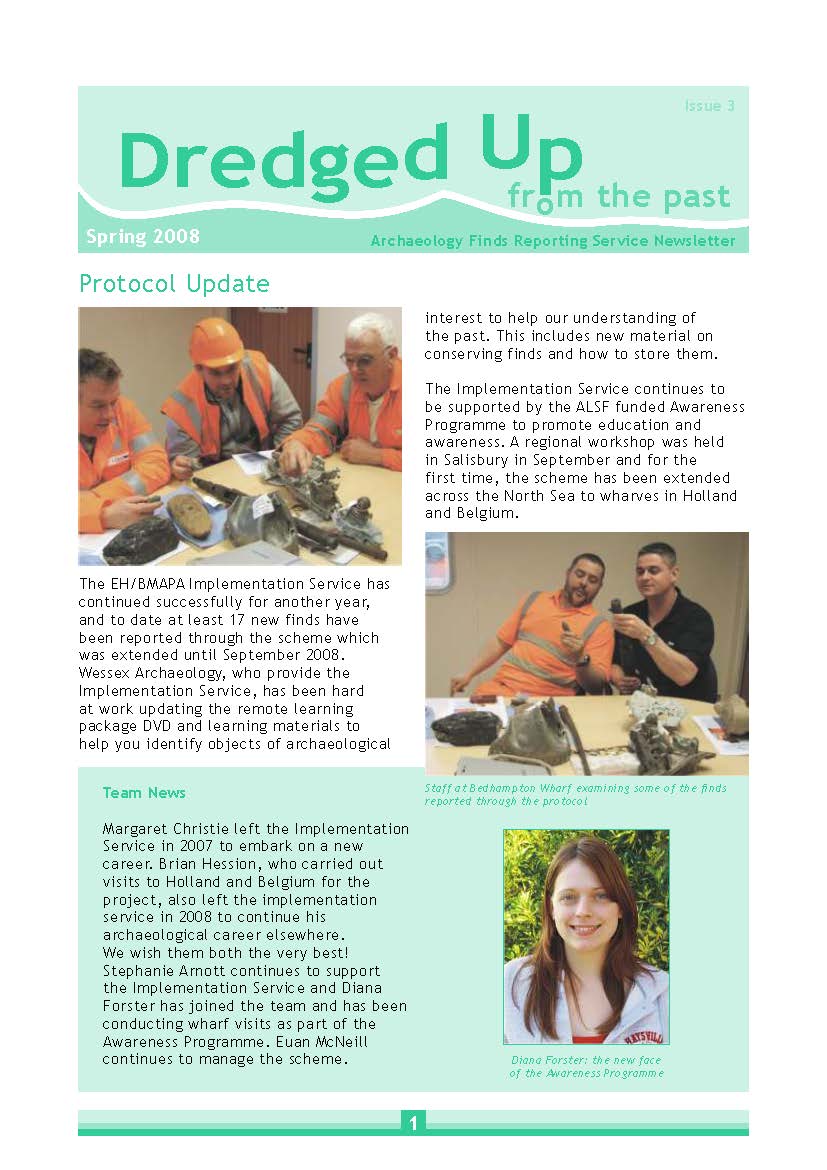
Dredged Up - Issue 3
Published: 2008-03-01
Subjects: Marine Archaeology
Archaeology Finds Reporting Service Magazine Issue 3 Spring 2008
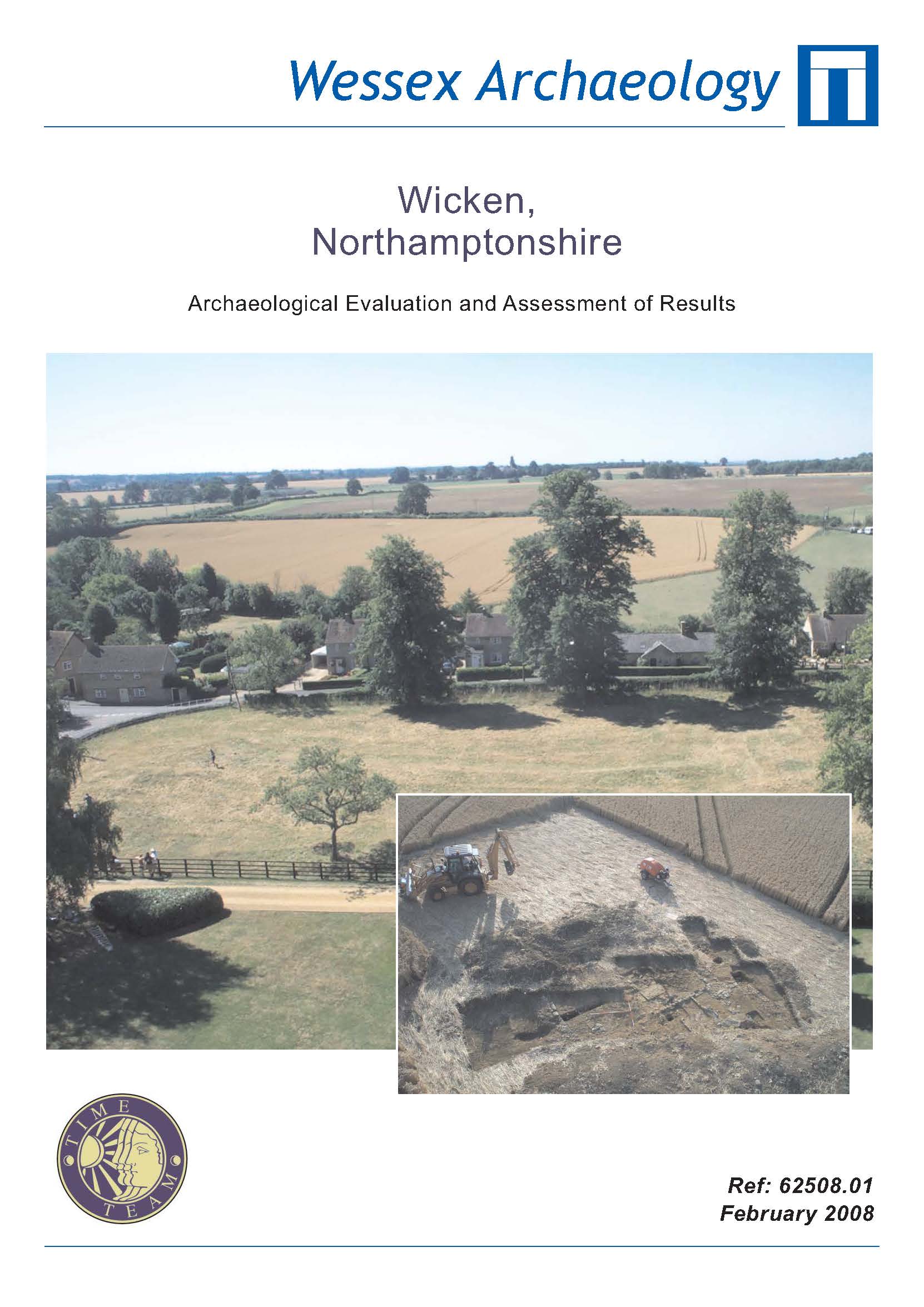
Time Team - Wicken, Northamptonshire - Archaeological Evaluation and Assessment of Results
Published: 2008-02-01
Subjects: Medieval Religious Site, Medieval Structure
A series of six trenches and nine test pits were excavated within the village to evaluate the location, extent, character, date, and significance of any underlying archaeology. The archaeological evaluation provided a small but significant contribution to the story of Wicken which, when taken in conjunction with the work of the University of Leicester, will help to provide further insight into [...]
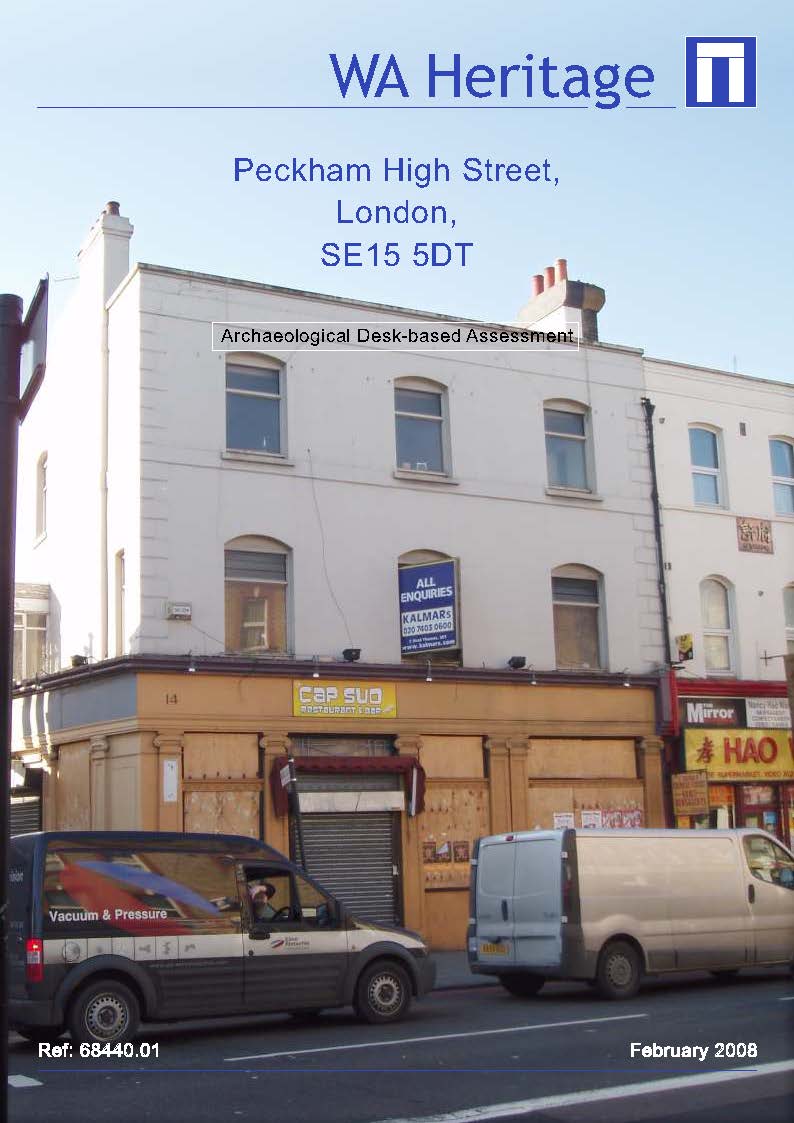
Peckham High Street, London - Archaeological Desk-Based Assessment
Published: 2008-02-01
Subjects: Desk-Based Assessment
Given the relatively low level of finds dating from Prehistoric eras recorded within the Study Area, a low potential for the recovery of Prehistoric remains has been identified. Romano-British evidence is largely limited to residual material and is concentrated away from the Site, as such a low potential for the recovery of material of this date is predicted. Given the location of the Site in [...]
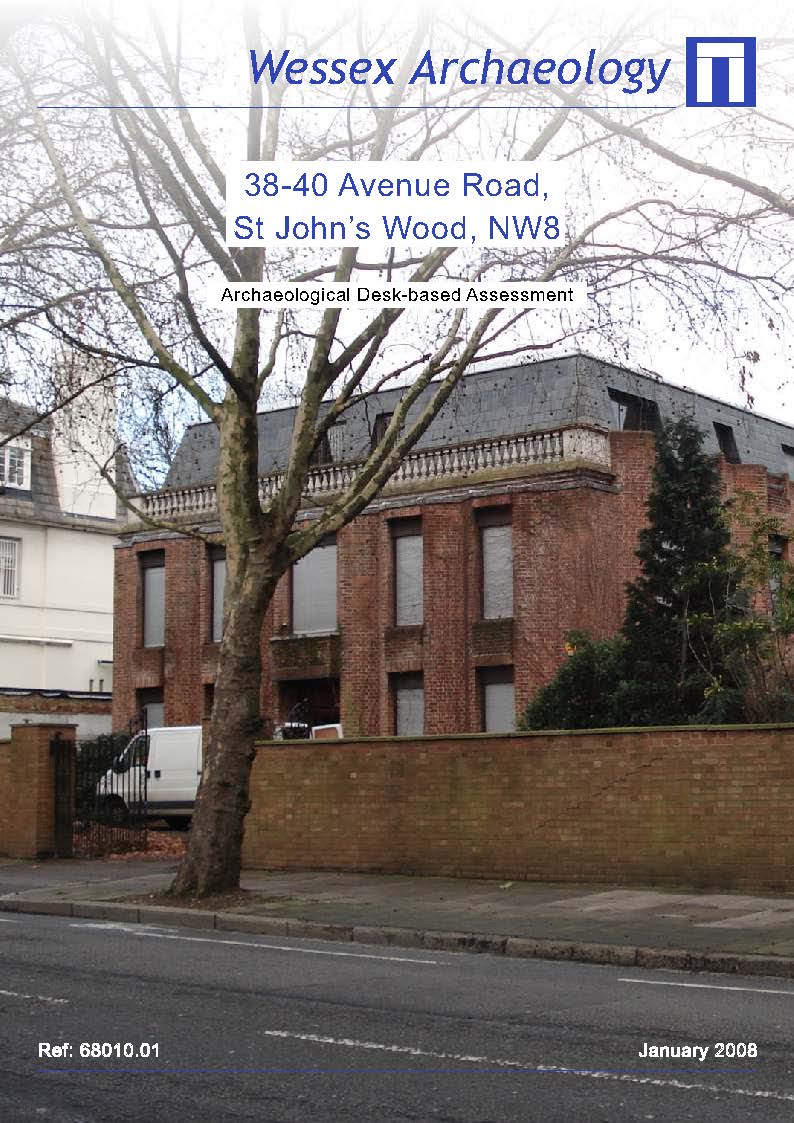
38-40 Avenue Road, St John's Wood, NW8 - Archaeological Desk-Based Assessment
Published: 2008-01-01
Subjects: Desk-Based Assessment
Overall, a low-moderate potential for the survival of archaeological deposits within the Site footprint has been identified. This conclusion reflects the low level of archaeological investigation within the Study Area, as well as the lack of significant historical activity. Specifically, there is a low potential for the recovery of Prehistoric and associated remains and a moderate potential for [...]
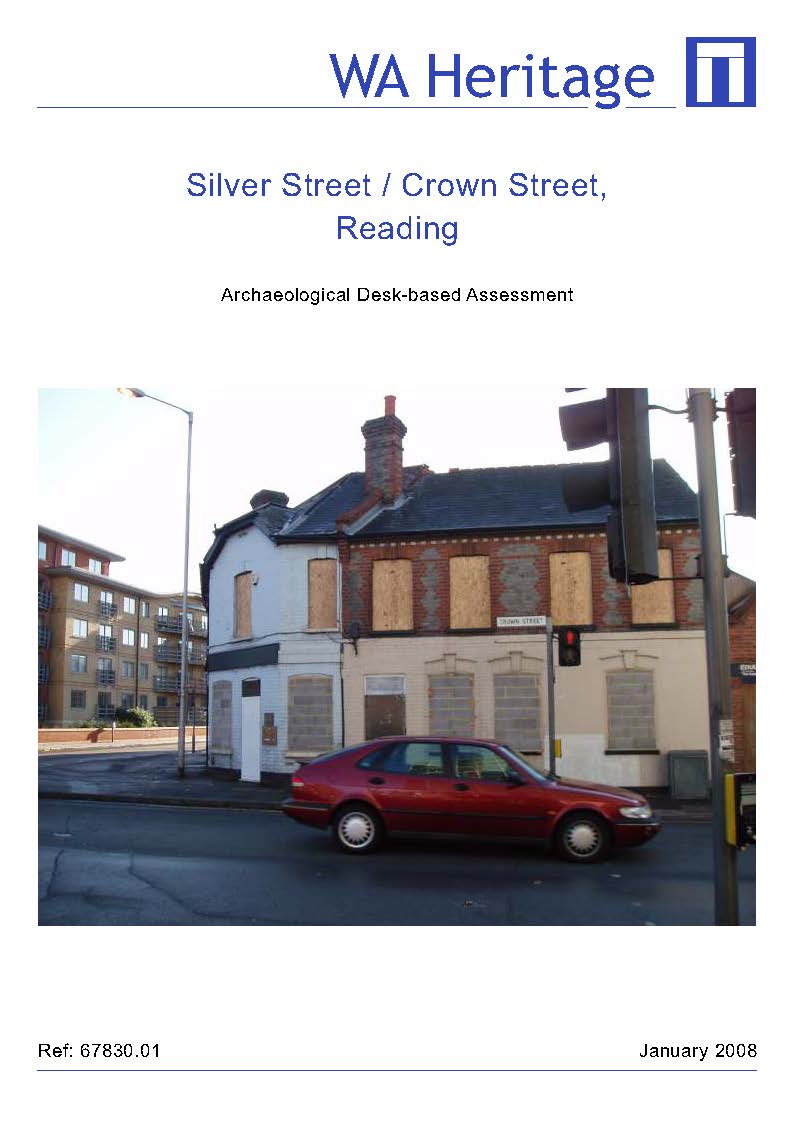
Silver Street / Crown Street, Reading - Archaeological Desk-Based Assessment
Published: 2008-01-01
Subjects: Desk-Based Assessment
Overall, the Site is situated in an area of moderate archaeological potential with a low- moderate potential for the survival of archaeological deposits. Given the relative scarcity of finds dating from the prehistoric periods within the Study Area, a low potential for the recovery of remains of this date has been identified. Romano-British evidence is limited to residual material within the [...]
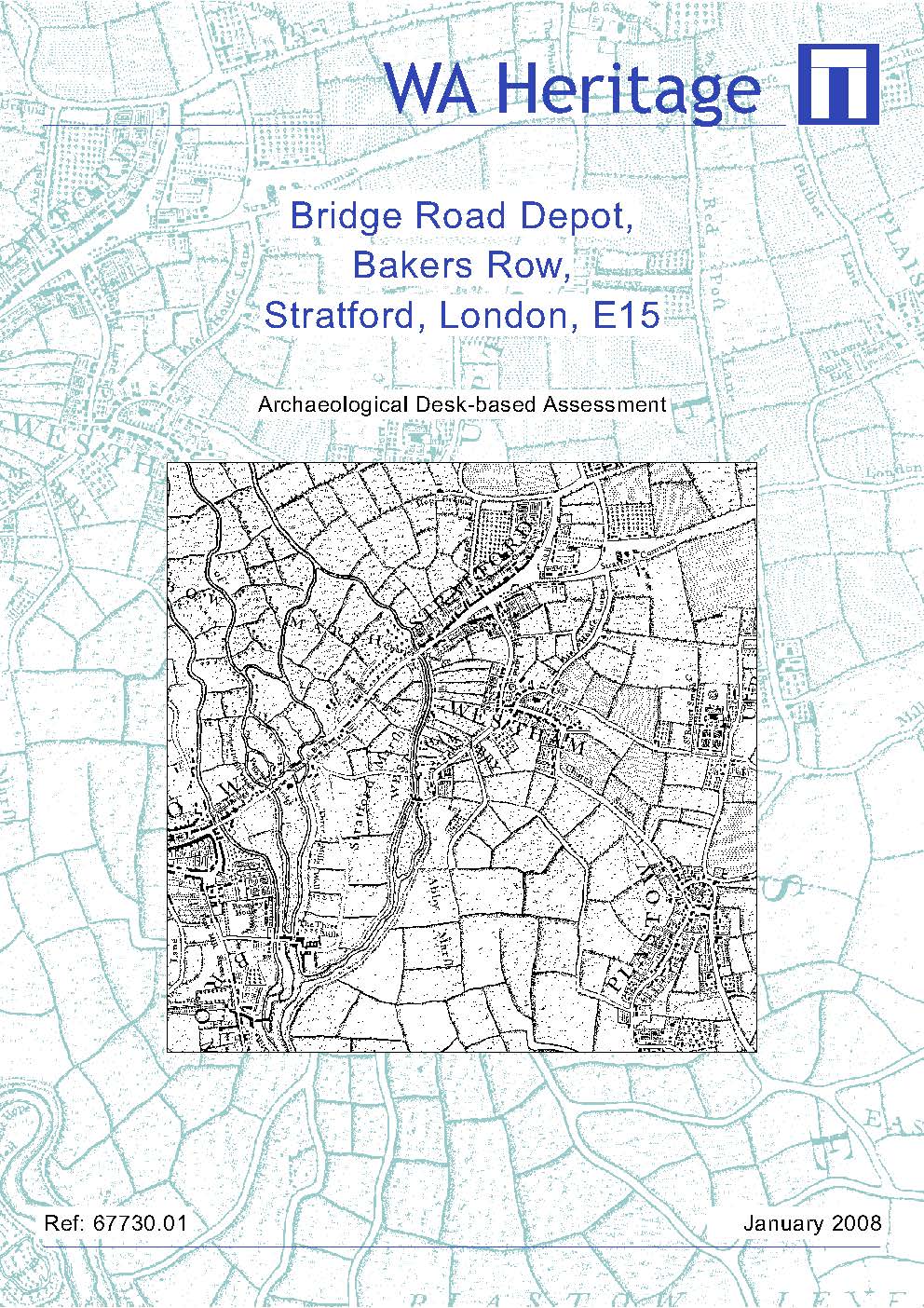
Bridge Road Depot, Bakers Row, Stratford, London E15 - Archaeological Desk-Based Assessment
Published: 2008-01-01
Subjects: Desk-Based Assessment
The Study Area represents a high level of recorded archaeology from the early prehistoric period to the 20th century, with an emphasis on evidence concerning the medieval development of Stratford Langthorne Abbey. During the medieval period, the Site lay within the Abbey walls in an area occupied by moats and the Abbey gardens in proximity to the Abbey gate and immediately north of an excavated [...]