Reports
Our reports library includes fieldwork, geophysical, geoarchaeological, marine and post-excavation reports from our archaeological and heritage projects across the UK.
There are 460 Reports listed.
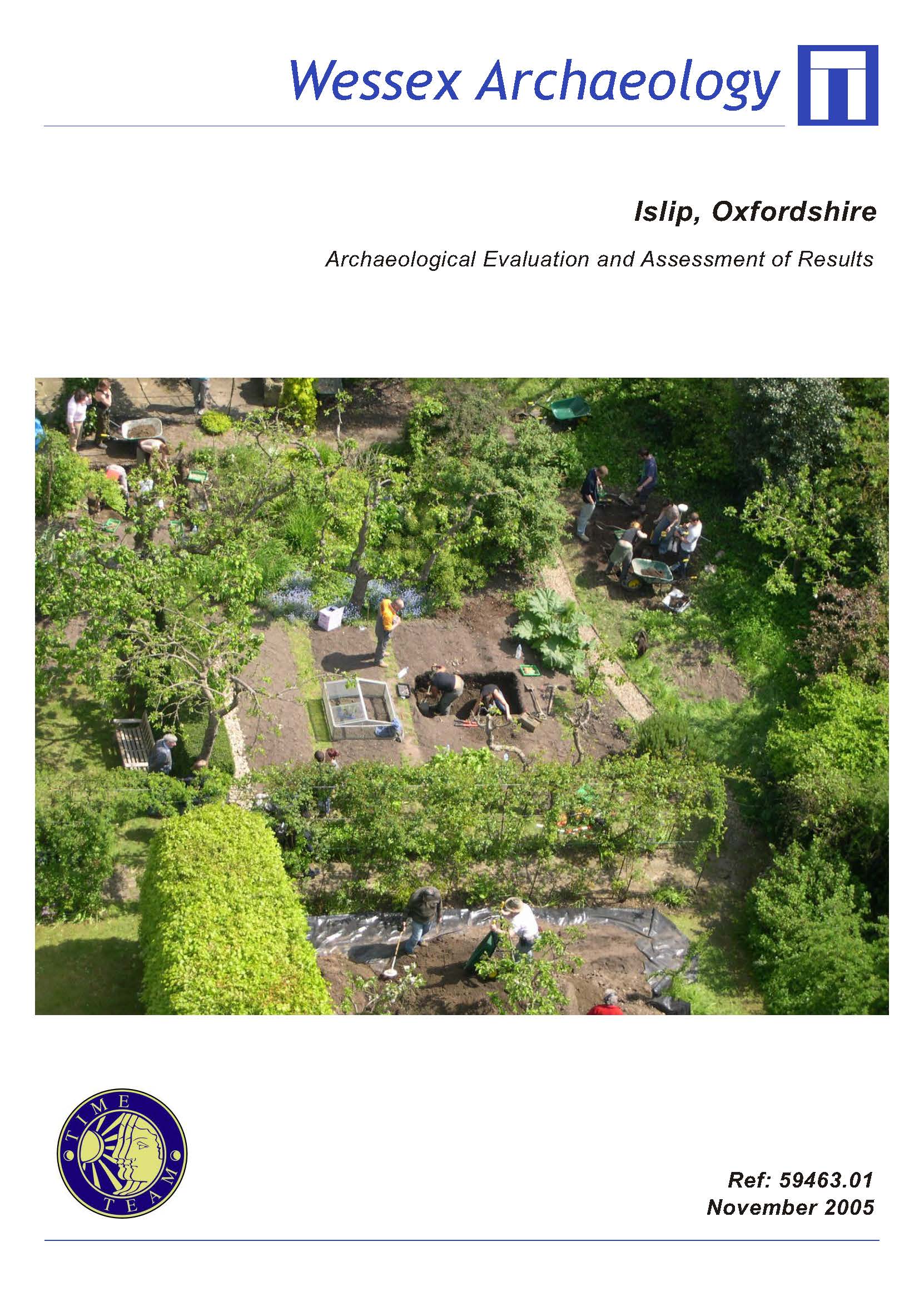
Time Team - Islip, Oxfordshire - Archaeological Evaluation and Assessment of Results
Published: 2005-11-01
Subjects: Early Medieval Agriculture, Early Medieval Structure, Medieval Structure
The primary aim of the evaluation was to test the assertion that a chapel dedicated to the first Patron Saint of England, Edward the Confessor, and a Saxon palace or a Royal hunting lodge of his father Æthelred ‘Unræd’, were located within the village. Edward himself is believed to have been born in the village. The chapel was recorded as having been converted into a barn sometime before 1718 and [...]
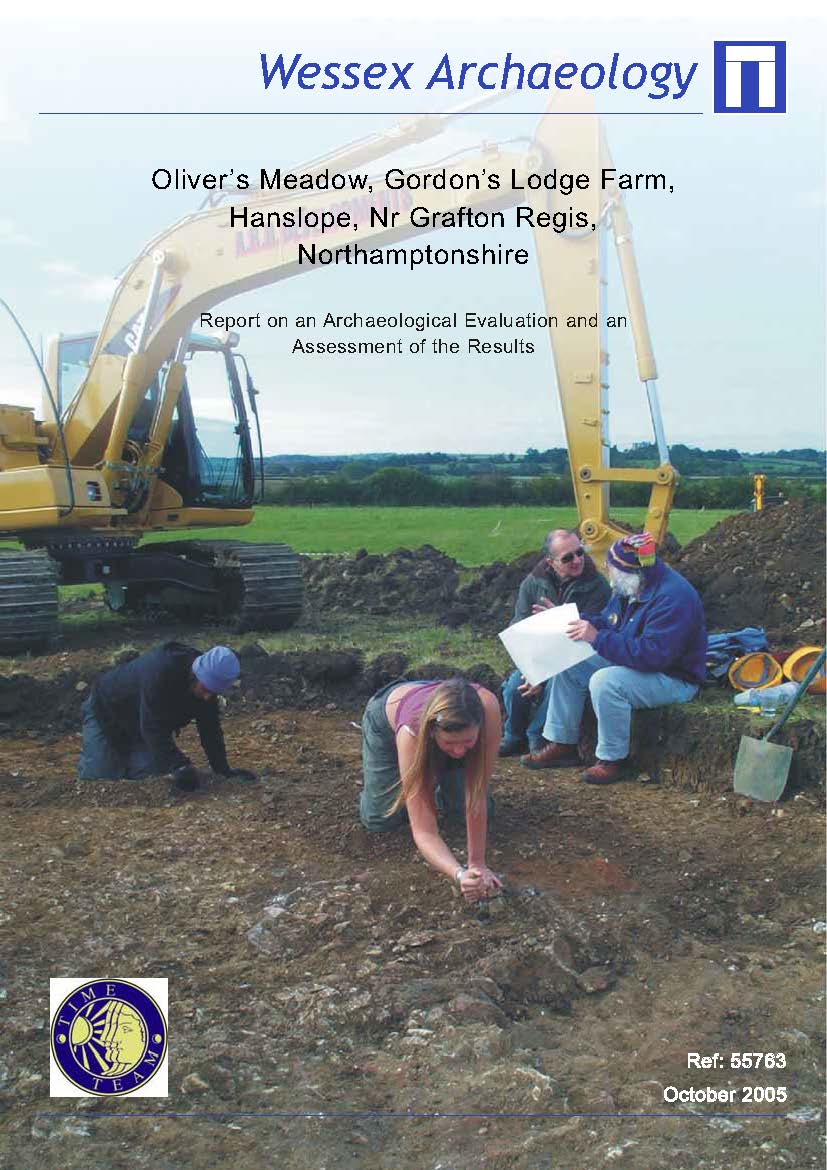
Time Team - Oliver's Meadow, Gordon's Lodge Farm, Hanslope, Nr Grafton Regis, Northamptonshire - Report on an Archaeological Evaluation and as Assessment of the Results
Published: 2005-10-01
Subjects: Medieval Settlement, Medieval Structure
The results of the Time Team excavations, in conjunction with the ongoing excavations of GLAFS appear to indicate that the two enclosures belong to an enclosed medieval rural settlement. The presence of high status fragments of stonework indicate the presence of a substantial masonry building, but no evidence of this has yet been identified. There is little evidence for activity on the site [...]
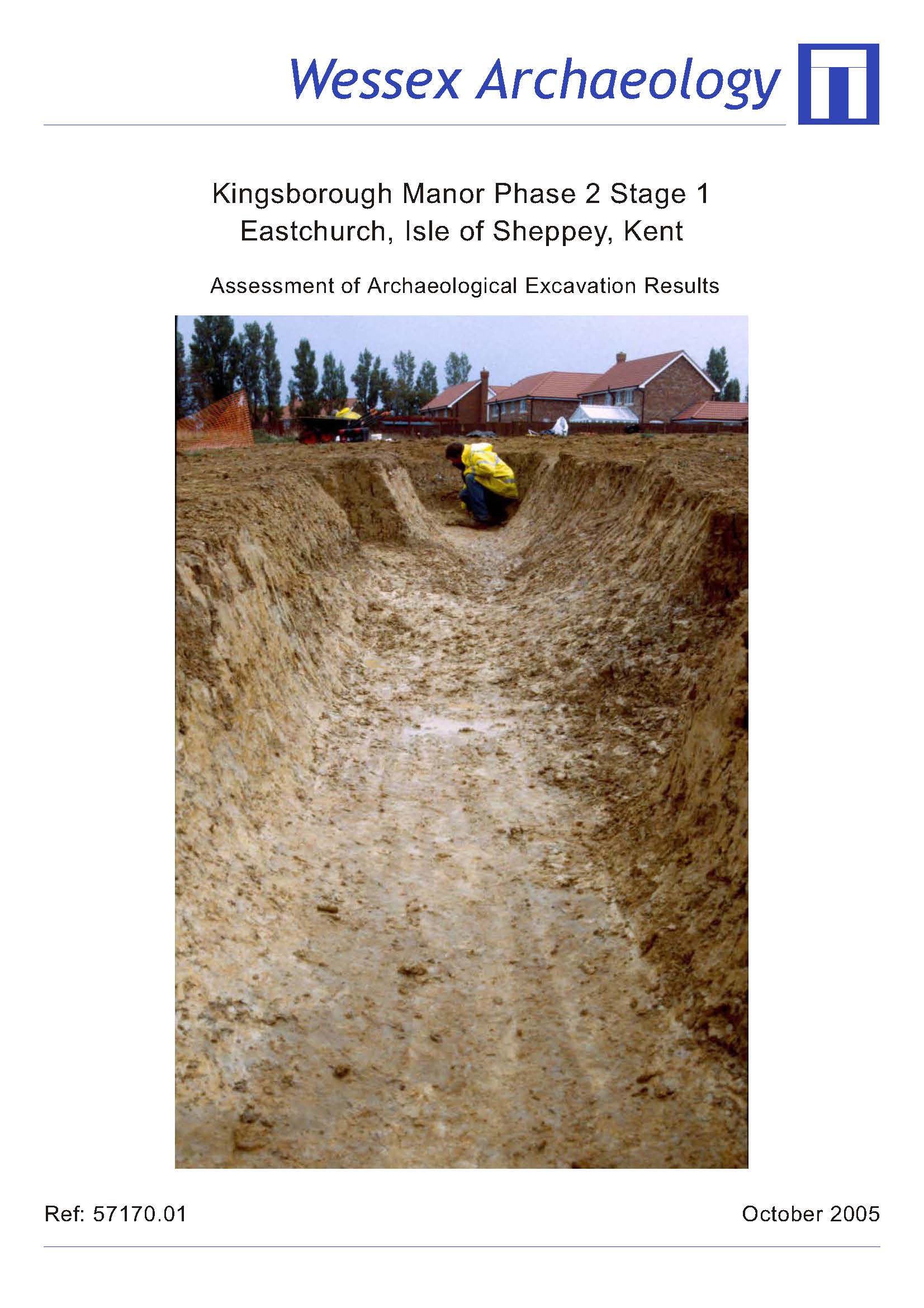
Kingsborough Manor Phase 2 Stage 1 Eastchurch, Isle of Sheppey, Kent - Assessment of Archaeological Excavation Results
Published: 2005-10-01
Subjects: Bronze Age Agriculture, Bronze Age Funerary Site, Medieval Agriculture, Neolithic Enclosure
A Neolithic causewayed enclosure was identified in the eastern half of the Site. Consisting of three single circuit ditch segments, the causewayed enclosure extended south beyond the southern limit of excavation into a previously built up area of the Kingsborough Manor housing development. The third, northernmost segment marked the northern limit of the enclosure, which appears to have terminated [...]
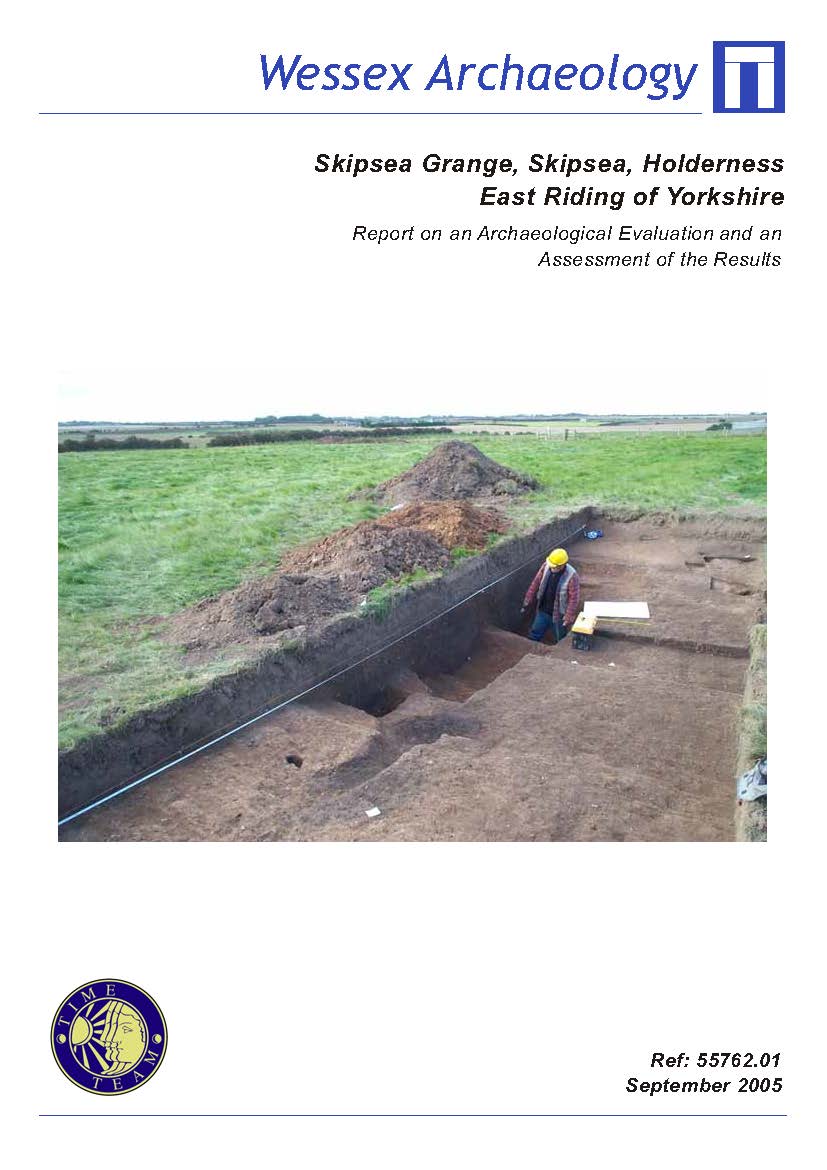
Time Team - Skipsea Grange, Skipsea, Holderness, East Riding of Yorkshire - Report on an Archaeological Evaluation and an Assessment of the Results
Published: 2005-09-01
Subjects: Early Medieval Artefacts, Early Medieval Settlement, Iron Age Artefacts, Medieval Artefacts, Medieval Settlement, Post-Medieval Agriculture
The evaluation revealed that the extensive archaeological remains on the site belong to several different phases of activity. The earliest of these appears to date to the Iron Age. Although the sherds of pottery recovered from these features are very similar to sherds of Saxon pottery, there is some evidence to support an Iron Age attribution to these sherds. Small quantities of unstratified [...]
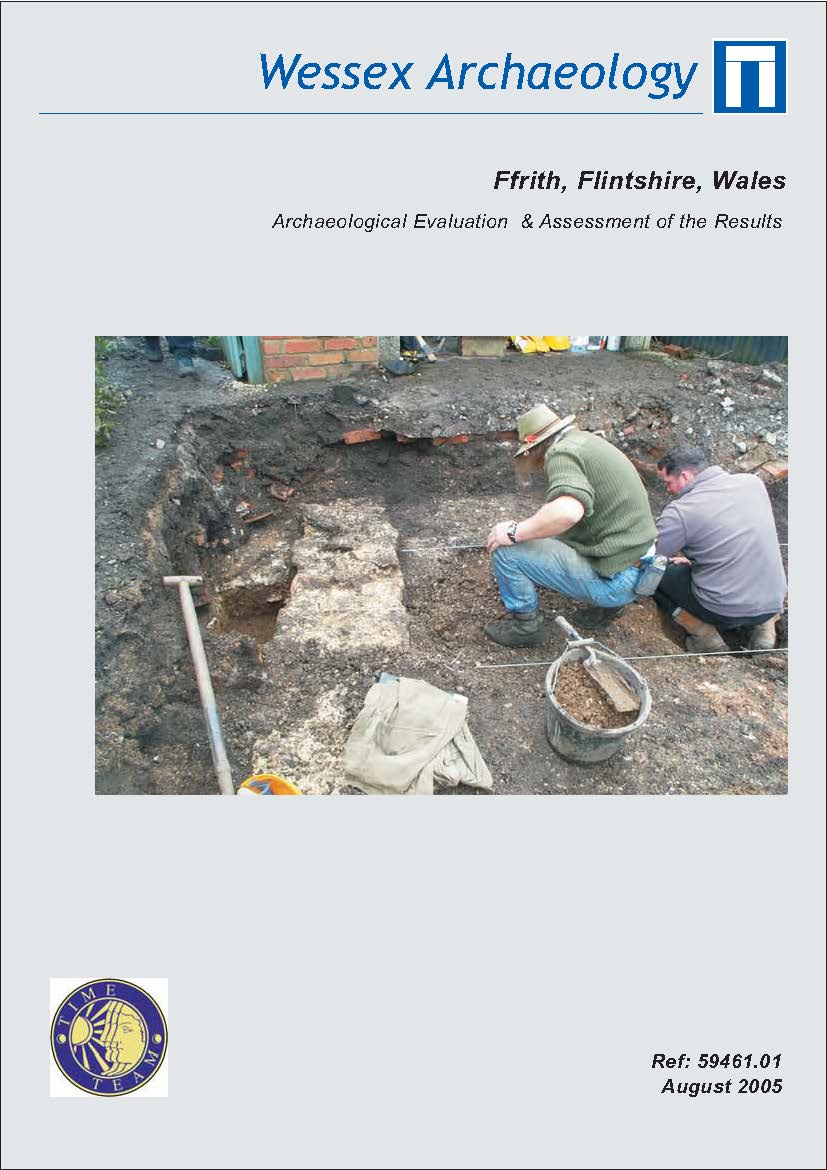
Time Team - Ffrith, Flintshire, Wales - Archaeological Evaluation and Assessment of the Results
Published: 2005-08-01
Subjects: Romano-British Artefacts, Romano-British Structure
The results from both the magnetic and resistance geophysical surveys in the playing field (SAM 164a) proved disappointing. The magnetic data were severely distorted by both modern and earlier playground furniture. In addition, metal fences and buildings on the periphery of the survey grids resulted in disturbed areas. The resistance survey identified a few regions of high resistance; however, [...]
Protocol for reporting finds of archaeological interest.
Published: 2005-08-01
Subjects: Marine Archaeology, Procedure
In 2003, the British Marine Aggregate Producers Association (BMAPA) and English Heritage (EH) jointly published Marine Aggregate Dredging and the Historic Environment: Guidance Note. The Guidance Note sets out the character and importance of the marine historic environment, and describes best practice in dealing with archaeological matters in the course of planning marine aggregate [...]
118 Victoria Dock Road, E16, London Borough of Newham - Archaeological Evaluation Report
Published: 2005-07-01
Subjects: No Archaeological Features
No archaeological features were observed during the evaluation. However, beneath 1m of modern disturbance which had removed any evidence of a former topsoil, a sequence of alluvial clays, organic peats overlying sands and gravels where uncovered. The sampling and analysis of these horizons have added to our understanding of the prehistoric environment and landscape of the Site and this part of [...]
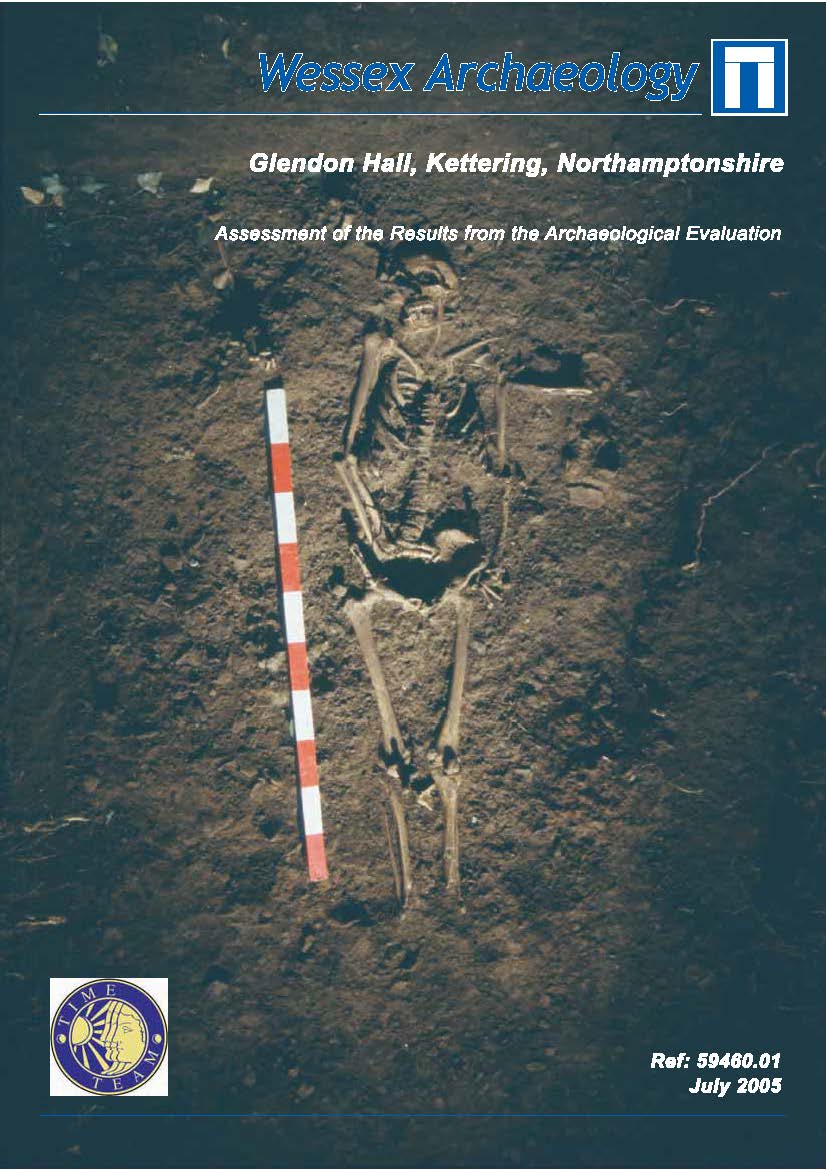
Time Team - Glendon Hall, Kettering, Northamptonshire - Assessment of the Results from the Archaeological Evaluation
Published: 2005-07-01
Subjects: Medieval Artefacts, Medieval Funerary Site, Medieval Settlement, Romano-British Funerary Site
The evaluation trenches were located in two areas of the site with the aim of defining the extent of the known medieval cemetery and locating Glendon church (Trenches 1- 7, to the immediate south-east of Glendon Hall), and refining the form and date of the known deserted medieval settlement c. 150m to the east of the Hall (Trenches 8-11). A high status, Romano-British cremation burial was [...]

Time Team - Nether Poppleton, City of York, Yorkshire - Archaeological Evaluation and Assessment of Results
Published: 2005-06-01
Subjects: Anglo-Saxon Artefacts, Medieval Settlement, Medieval Structure, Post-Medieval Settlement, Post-Medieval Structure
The archaeological evaluation was successful in achieving a number of the aims of the project, including establishing the presence of part of the vallum monasteria, the surrounding boundary ditch which encompassed monastic sites. This ditch contained sherds of pottery dated to c. AD 450-850 and is likely to date to the Early/Middle Anglo-Saxon period. The trenches around St. Everilda’s were [...]

Time Team - St Osyth, Essex - An Archaeological Evaluation and an Assessment of the Results
Published: 2005-06-01
Subjects: Early Medieval Religious Site, Early Medieval Settlement, Medieval Religious Site, Medieval Settlement
Small quantities of prehistoric, Roman and Saxon material were recovered, adding to our scant knowledge of these periods in St Osyths’ history. The Domesday Survey mentions St Osyth, which was clearly a thriving settlement before the founding of the first Abbey on the site in AD 1121. The early medieval period saw a marked expansion in St Osyth’s prosperity and in population. Time Team’s work [...]
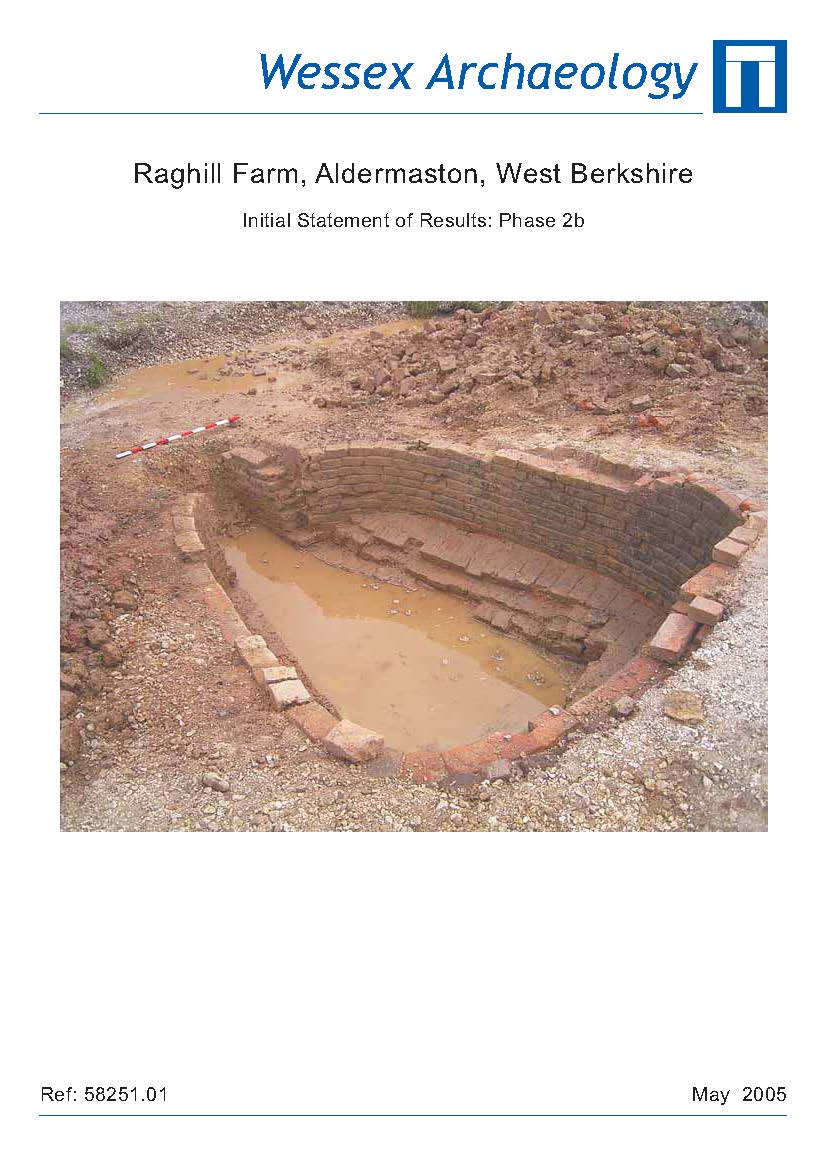
Raghill Farm, Aldermaston, West Berkshire - Initial Statement of Results: Phase 2b
Published: 2005-05-01
Subjects: Post-Medieval Agriculture, Post-Medieval Industry
The fieldwork identified two late 17th/ early 18th century brick updraught kilns, located at the eastern edge of the stripped area. One of the kilns was in a relatively good condition, while the second kiln had been largely robbed. A large post-medieval field boundary, orientated northeast/southwest, was also uncovered, which ran along the eastern extent of the proposed extraction area. This [...]
The Philberds, Ascot Road, Holyport, Berkshire - Archaeological Evaluation Report
Published: 2005-04-01
Subjects: No Archaeological Features
The evaluation comprised the excavation of fourteen trenches, varying between 2m and 20m in length, the observation of the grubbing out of the foundations and services of Philberds House and the observation and recording of five geotechnical test pits. The object of the evaluation was to determine the presence/absence of archaeological deposits/structures on the site and if present to establish [...]

Time Team - St Côme de Fresné, Arromanches, France - Report On An Archaeological Evaluation And An Assessment Of The Results
Published: 2005-04-01
Subjects: Military Artefacts, Modern Structure
The aim of this exercise was to investigate two of the intended objectives of the 1st Battalion of the Dorset Regiment on D-Day - the positions known as Point 54 and Puits d’Herode as part of a programme for the 60th anniversary of the D-Day landings. The main aim of these archaeological investigations was to examine these fortified positions in order to establish whether there was any evidence [...]
174-178 Long Lane, SE1, London Borough of Southwark - Archaeological Evaluation Report
Published: 2005-03-01
Subjects: Romano-British Artefacts
Archaeological evaluation of the Site has demonstrated the presence of Romano-British ditches and pits, dating to the late 1st or early 2nd century AD. No evidence for earlier activity has been recorded within the footprint of the trenches. Other features, of medieval, post-medieval and industrial/modern date were also revealed.
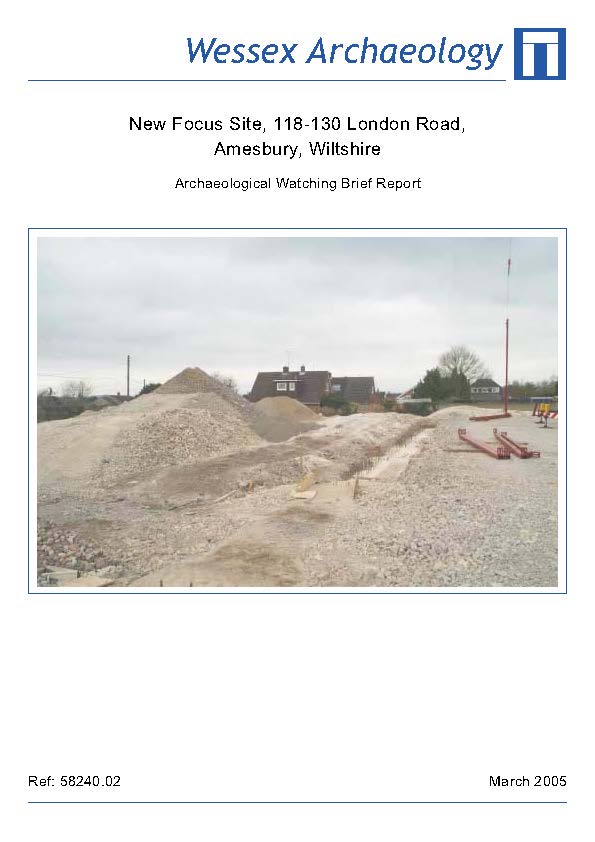
New Focus Site, 118-130 London Road, Amesbury, Wiltshire - Archaeological Watching Brief Report
Published: 2005-03-01
Subjects: No Archaeological Features
No archaeological features of finds were recovered or seen during the watching brief, although very few areas within the site were accessible for archaeological observation due to the retention of the make up layer for the concrete slab. Sections seen in the foundation trenches showed no trace of archaeological features.