Reports
Our reports library includes fieldwork, geophysical, geoarchaeological, marine and post-excavation reports from our archaeological and heritage projects across the UK.
There are 460 Reports listed.
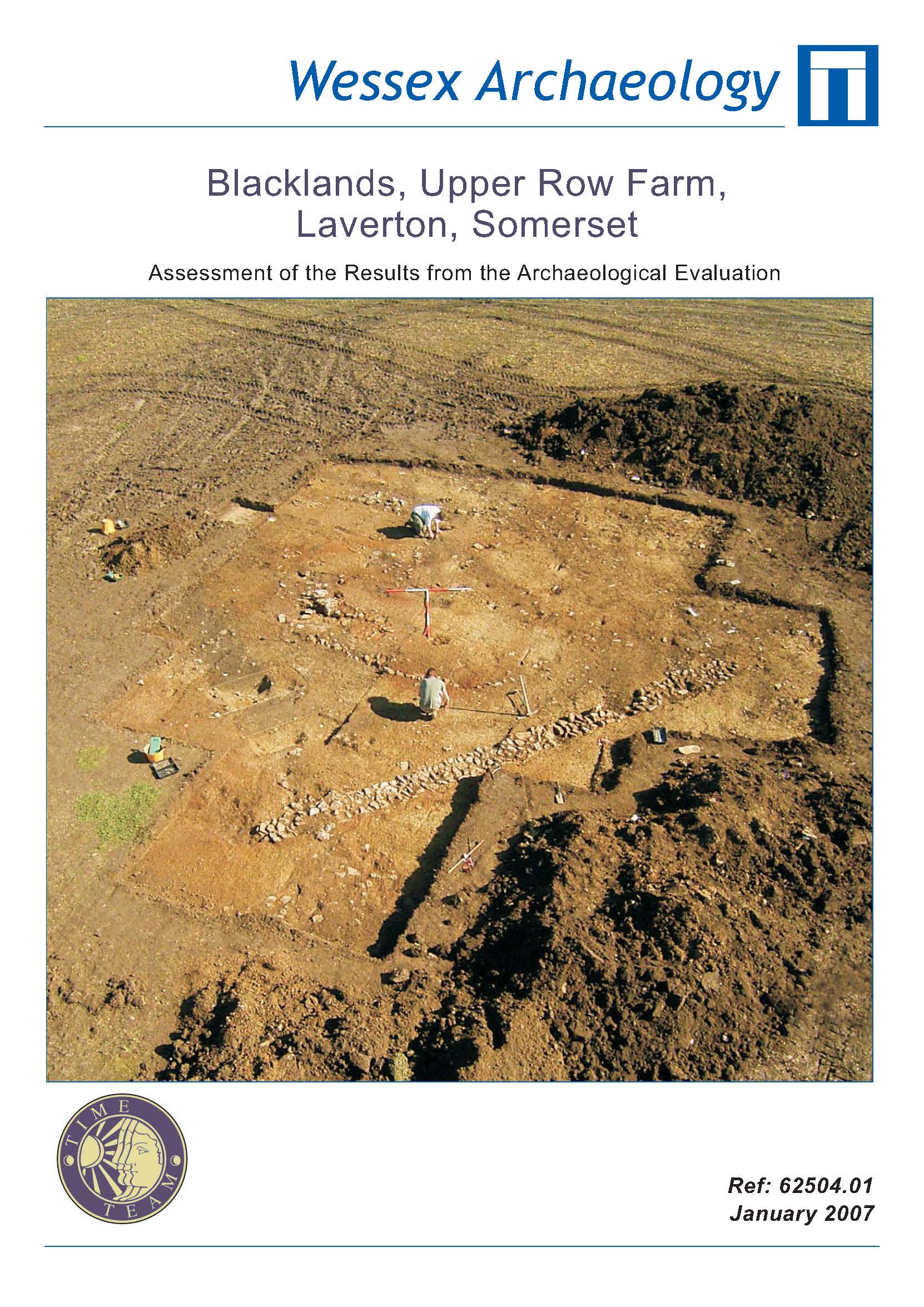
Time Team - Blacklands, Upper Row Farm, Laverton, Somerset - Assessment of the Results from the Archaeological Evaluation
Published: 2007-01-01
Subjects: Iron Age Agriculture, Iron Age Artefacts, Iron Age Settlement, Romano-British Artefacts, Romano-British Settlement
No features of conclusive Iron Age date were identified during the evaluation, but residual Iron Age and Early Romano-British material recovered from a discrete central area of the site suggests this formed the focus of early occupation. Most of the excavated features comprised ditches or robbed-out foundation trenches. Although most of the artefactual material recovered indicates a later 3rd-4th [...]

Historic Environment Guidance for the Offshore Renewable Energy Sector.
Published: 2007-01-01
Subjects: Marine Archaeology, Procedure
This report was commissioned by COWRIE (Collaborative Offshore Windfarm Research Into the Environment). COWRIE is a registered Charity set up to raise awareness and understanding of the potential environmental impacts of the UK offshore windfarm programme. It was created following the completion of the second licensing round for UK offshore windfarms, and is funded by developers' non-refundable [...]
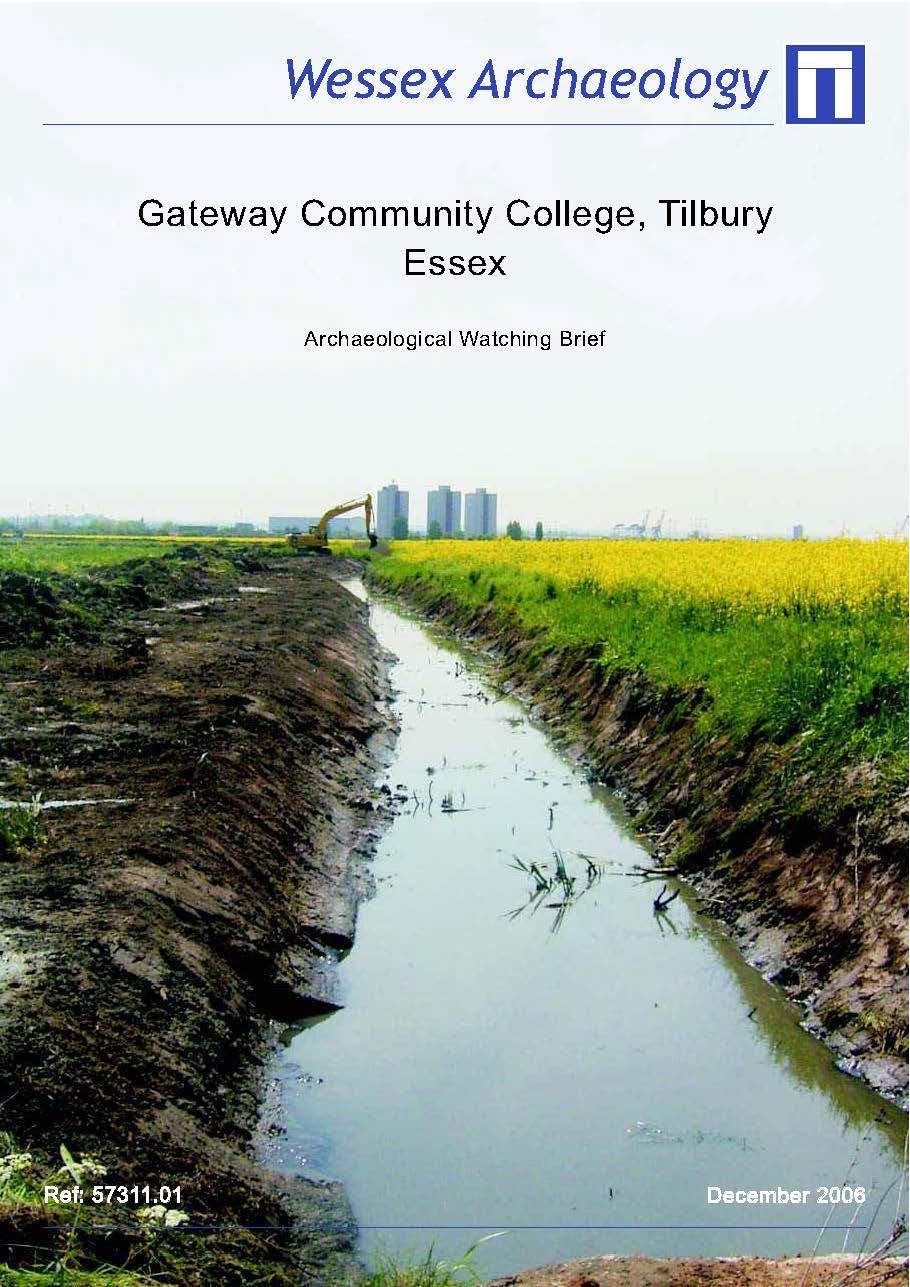
Gateway Community College, Tilbury, Essex - Archaeological Watching Brief
Published: 2006-12-02
Subjects: No Archaeological Features
Seven areas of such drainage work were observed and recorded, revealing peat deposits from which no archaeological remains or finds were observed.
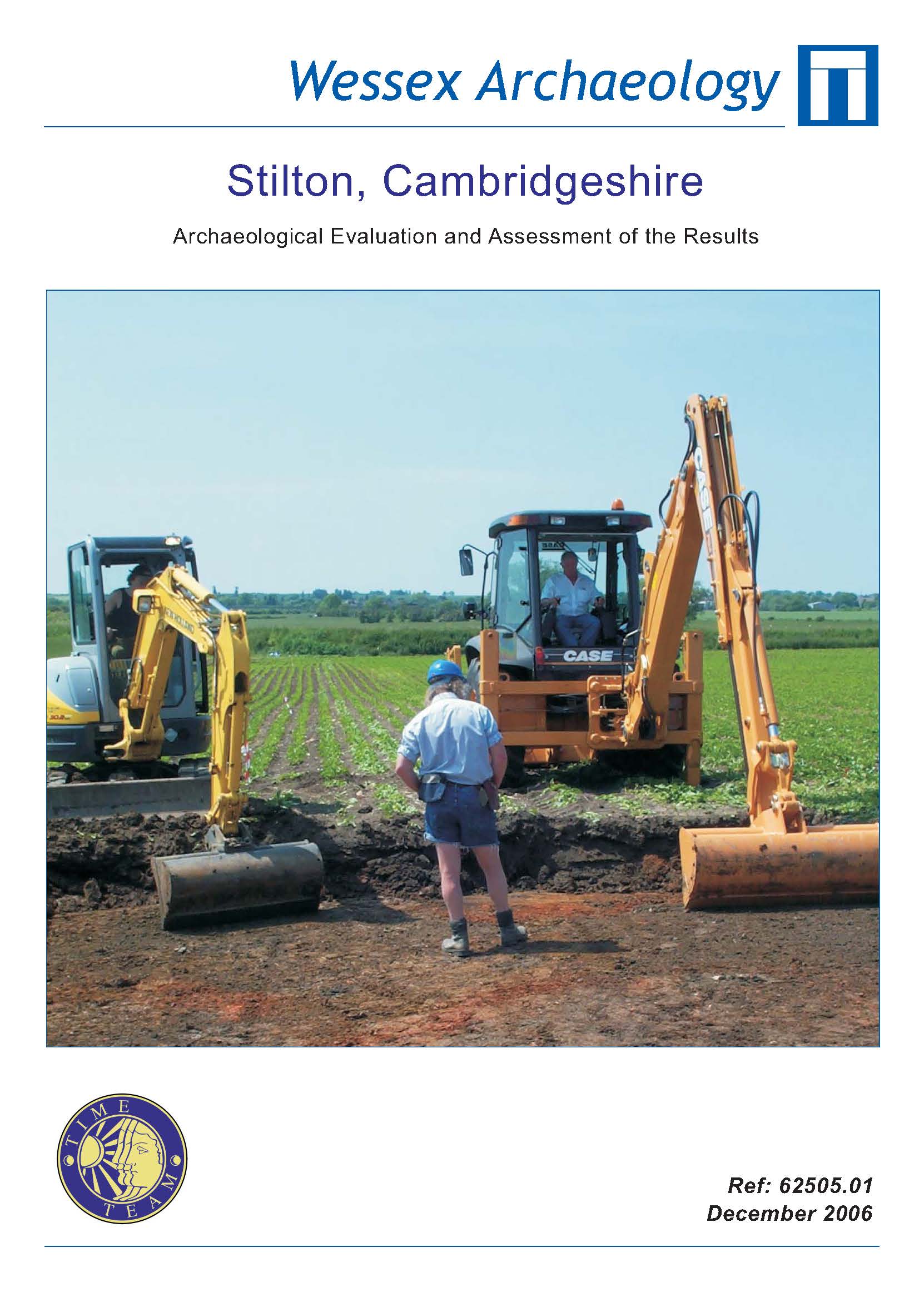
Time Team - Stilton, Cambridgeshire - Archaeological Evaluation and Assessment of the Results
Published: 2006-12-01
Subjects: Medieval Funerary Site, Romano-British Artefacts, Romano-British Industry, Romano-British Settlement
The wider settlement was identified through geophysical survey and the landscape study while the excavation was able to provide a date for the occupation between the early to mid 2nd century AD and the end of the Roman period. The site was largely abandoned due to climatic changes and changes in sea level, but two inhumation burials and a large oval surrounding enclosure post-date the Romano- [...]
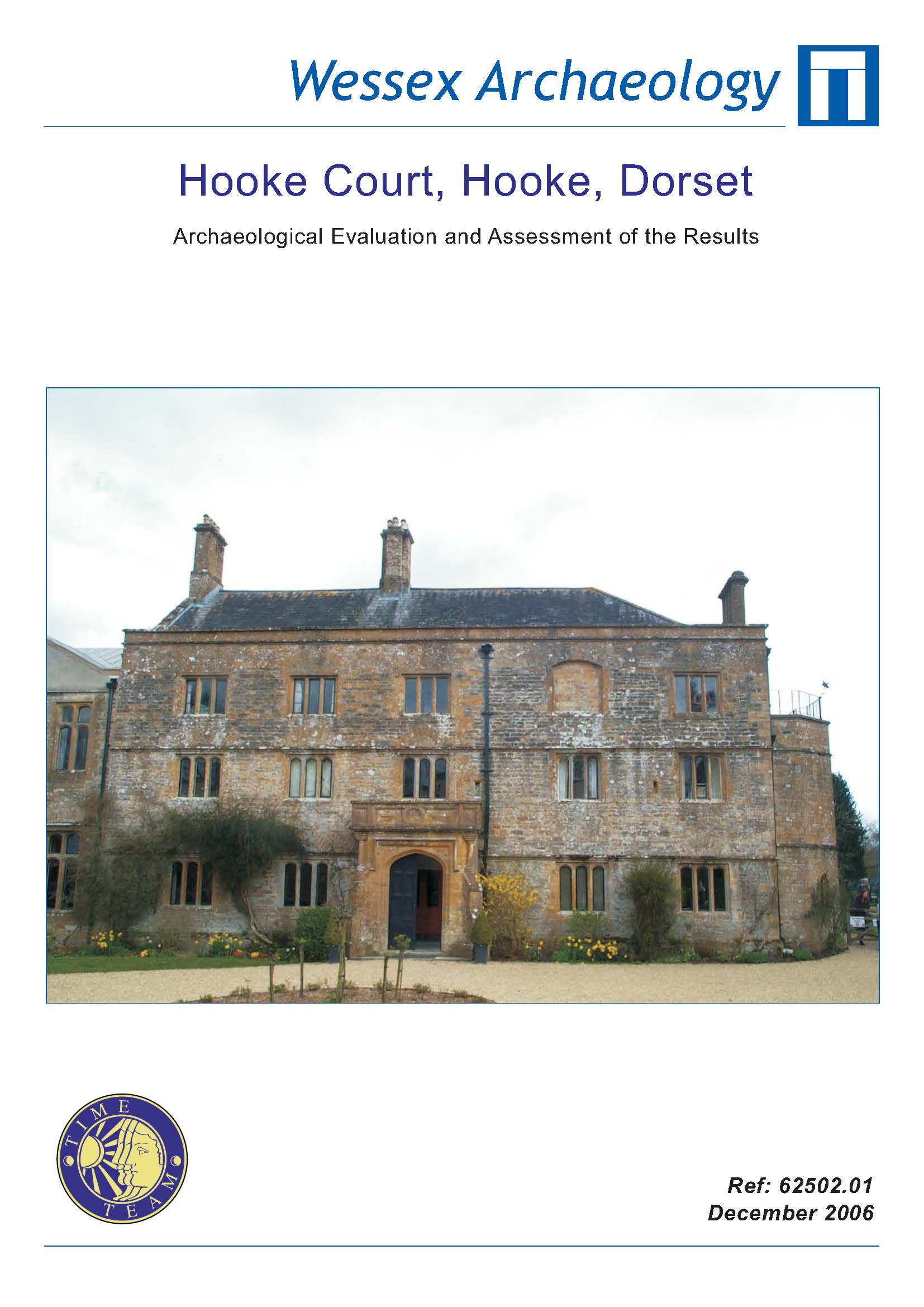
Time Team - Hooke Court, Hooke, Dorset - Archaeological Evaluation and Assessment of the Results
Published: 2006-12-01
Subjects: Medieval Structure, Post-Medieval Artefacts, Post-Medieval Structure
The results of the evaluation demonstrated that the surviving west wing and the now demolished north wing had their origins in the 14th or 15th century and had seen much alteration including major building works in the 17th century. Analysis of the photographic and map evidence showed that the original access to the moated complex was through a gatehouse in the northern range. A blocked archway [...]
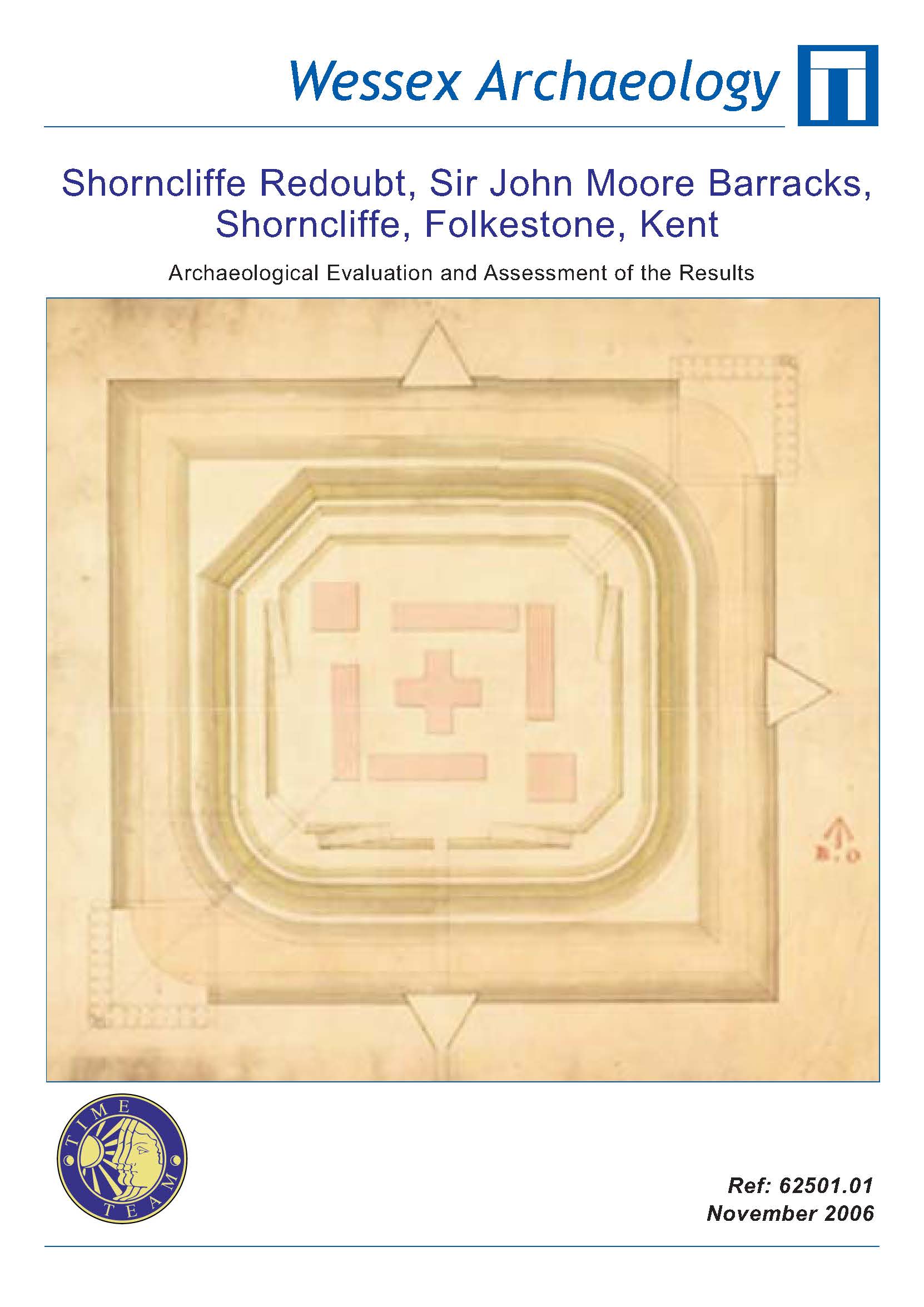
Time Team - Shorncliffe Redoubt, Sir John Moore Barracks, Shorncliffe, Folkestone, Kent - Archaeological Evaluation and Assessment of the Results
Published: 2006-11-01
Subjects: Military Artefacts, Post-Medieval Defences, Post-Medieval Structure
The project was largely unsuccessful in the identification of structures dated to the Napoleonic period within the redoubt. It became clear that the Twiss maps were a combination of ‘as built’ and ‘as proposed’ and therefore many of the structures depicted may never have been constructed. It was, however, clear that the main redoubt structure comprising earthen ramparts matches the Twiss maps, [...]
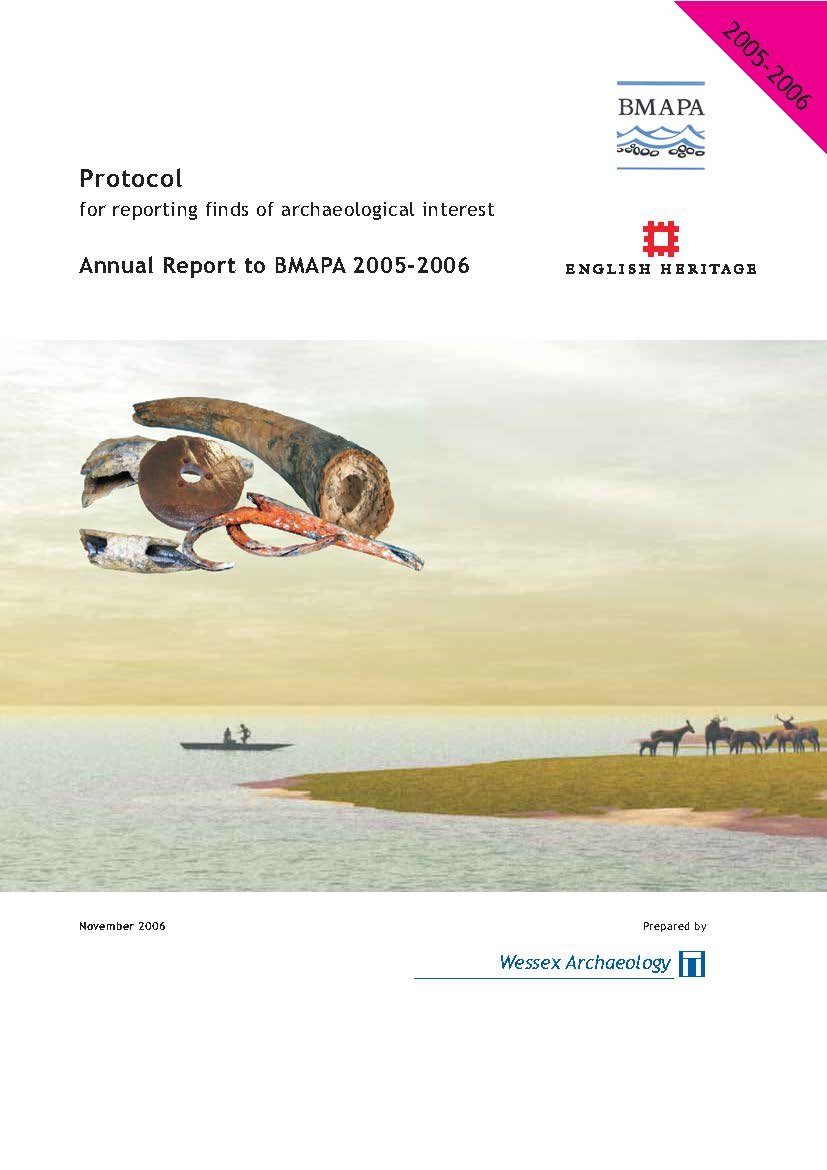
Annual Report to BMAPA 2005-2006
Published: 2006-11-01
Subjects: Marine Archaeology
Protocol for reporting finds of archaeological interest.

Defence Estates, Durrington, Wiltshire - Report on Archaeological Field Evaluation
Published: 2006-09-01
Subjects: Iron Age Settlement, Romano-British Settlement
Archaeological features were found in five of the trenches, in the north of the Site, two of these trenches were located in a paddock, the other three were located to the north of the trackway bisecting the field to the rear of the Red House. The recorded features consisted of pits and ditches primarily of Iron Age and Romano-British date. The same area of the Site was found to contain [...]
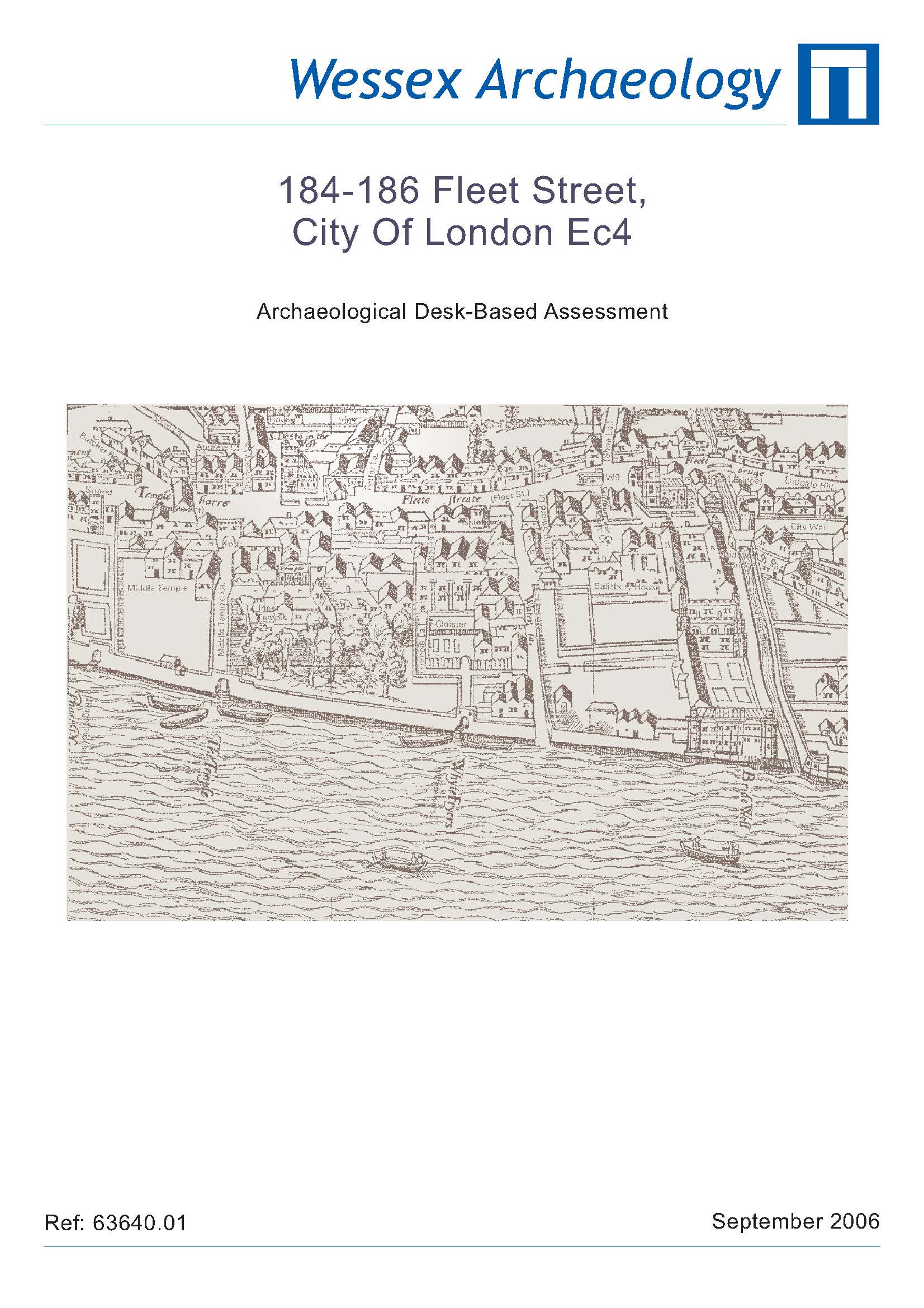
184-186 Fleet Street, City of London EC4 - Archaeological Desk-Based Assessment
Published: 2006-09-01
Subjects: Desk-Based Assessment
The main archaeological issues directly concerning the site are: i) The position of the site directly overlying the line of a possible Romano- British/Saxon road. Observations made by Stow in 1595 record the line of a street on the north side of Fleet Street immediately west of St. Dunstan’s. A continuation of this line would run directly through the present development site. ii) The [...]
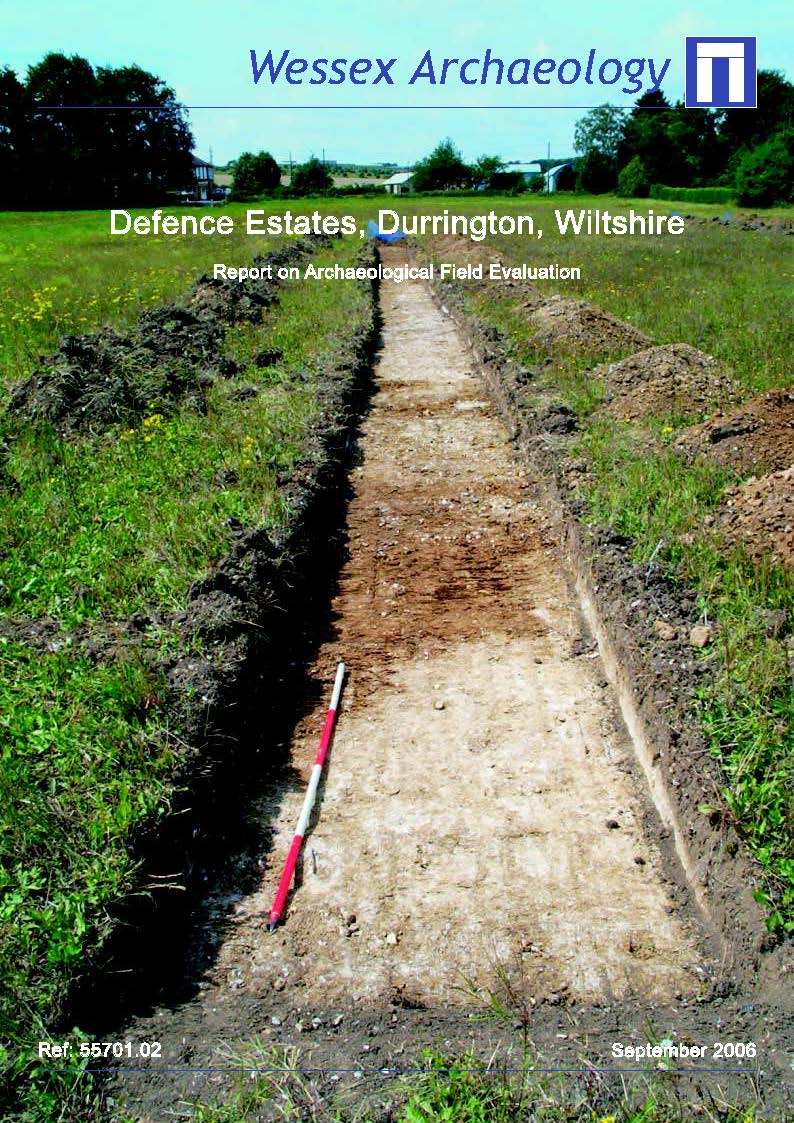
Defence Estates, Durrington, Wiltshire - Report of Archaeological Field Evaluation
Published: 2006-09-01
Subjects: Iron Age Structure, Romano-British Structure
Twelve trenches were excavated, varying between four and thirty metres long. Archaeological features were found in five of the trenches, in the north of the Site, two of these trenches were located in a paddock, the other three were located to the north of the trackway bisecting the field to the rear of the Red House. The recorded features consisted of pits and ditches primarily of Iron Age and [...]
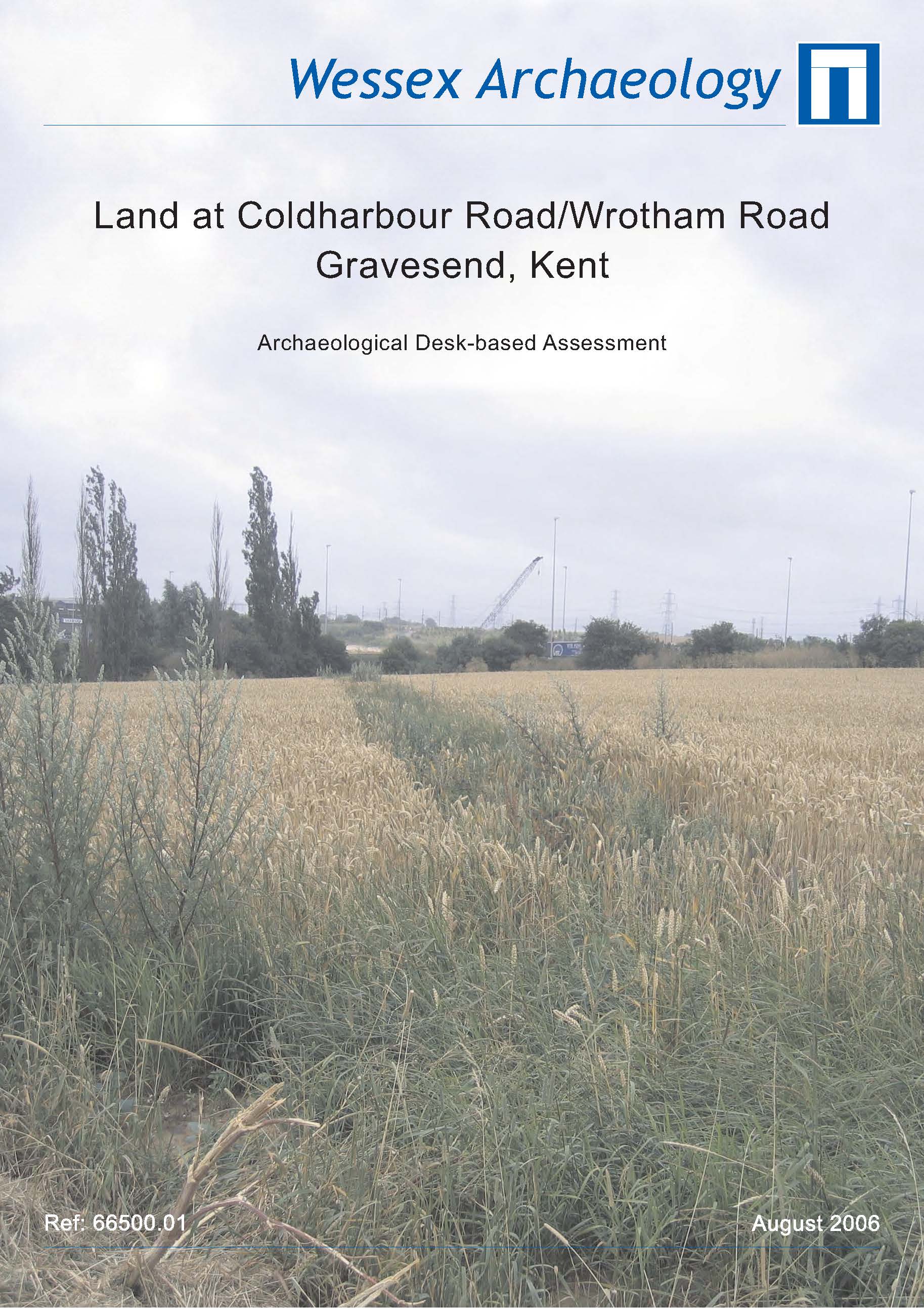
Land at Coldharbour Road / Wrotham Road, Gravesend, Kent - Archaeological Desk-Based Assessment
Published: 2006-07-01
Subjects: Desk-Based Assessment
Overall, a moderate to high potential has been identified for the existence and survival of archaeological deposits within the Study Area. There is no known recorded archaeology within the Site footprint, but this is probably due to the Site having been under arable cultivation prior to the mid 19th century through to today. Predicted archaeology on the Site is likely to be limited to evidence of [...]
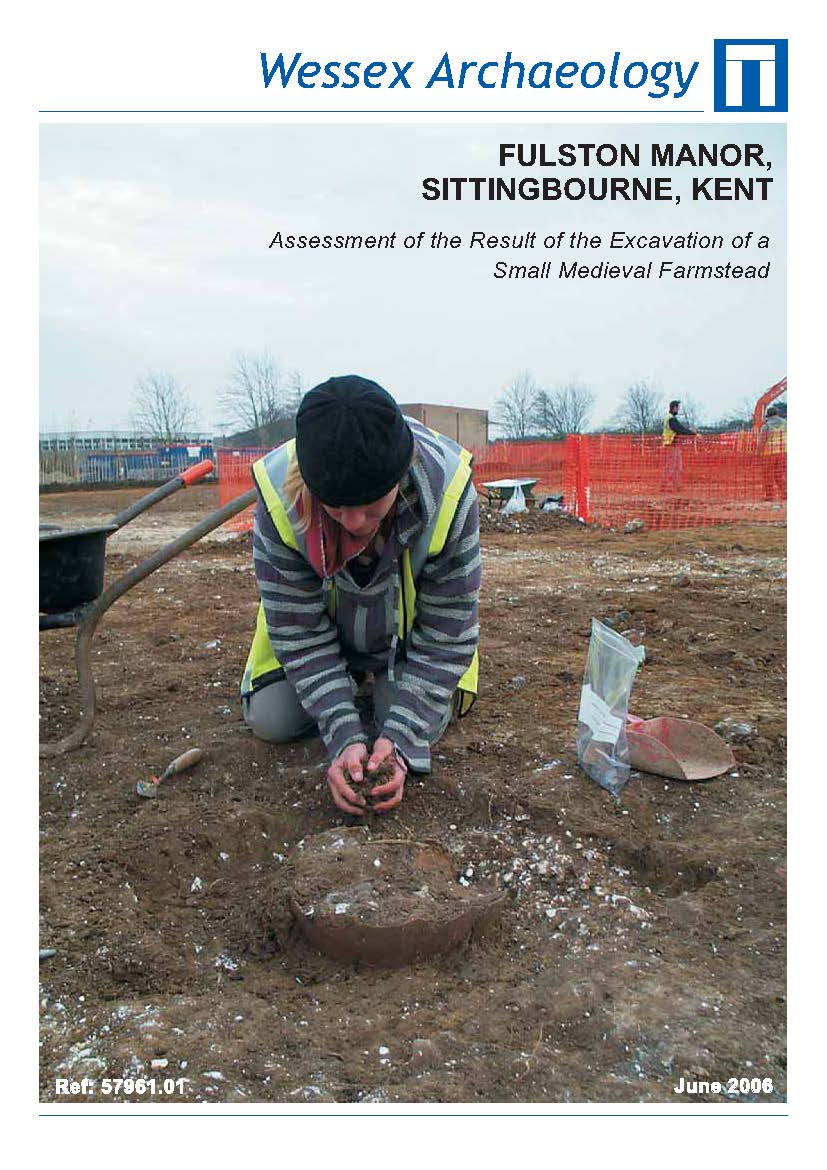
Fulston Manor, Sittingbourne, Kent - Assessment of the Result of the Excavation of a Small Medieval Farmstead
Published: 2006-06-02
Subjects: Medieval Agriculture, Medieval Artefacts, Medieval Structure, Post-Medieval Artefacts, Romano-British Artefacts
The subsequent excavation confirmed the presence of archaeological features and deposits representing the remains of a small medieval farmstead established, used and abandoned between the 11th and early 14th centuries. Excavated features included a double ditched enclosure, a number of structures, a kiln and a number of pits. An assemblage of medieval pottery was recovered, along with other finds [...]
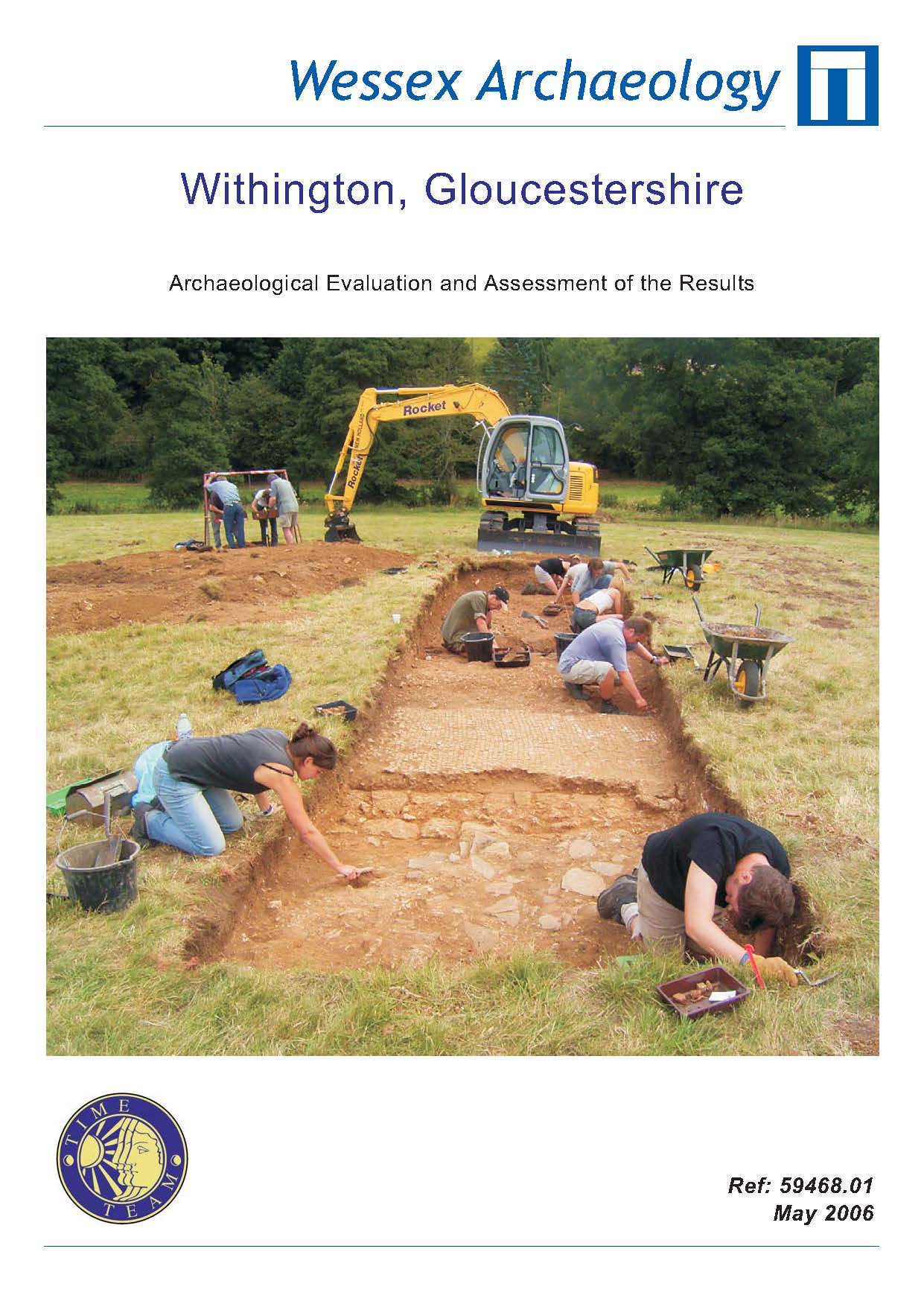
Time Team - Withington, Gloucestershire - Archaeological Evaluation and Assessment of the Results
Published: 2006-05-01
Subjects: Romano-British Artefacts, Romano-British Structure, Roman Villa
The evaluation concentrated on three areas of investigation: Site A (Manor Court Field), where a local archaeologist had recovered Romano-British finds from molehills; Site B, the Scheduled Ancient Monument of Withington Villa (SM GC200), a complex potentially dating from the 2nd - 4th centuries AD, first excavated in 1811; and Site C, an area between Sites A and B, the site of a spring and [...]
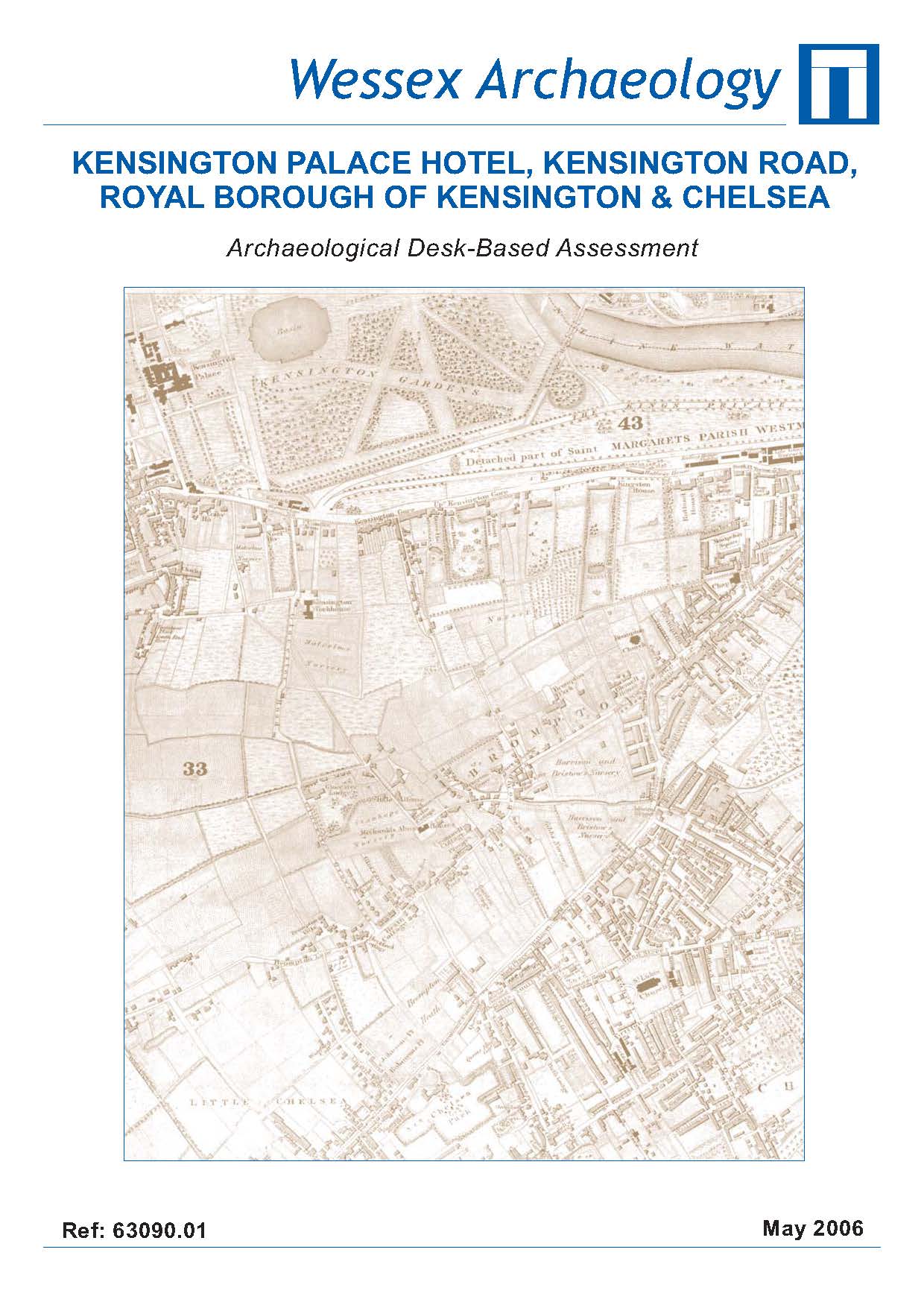
Kensington Palace Hotel, Kensington Road, Royal Borough of Kensington and Chelsea - Archaeological Desk-Based Assessment
Published: 2006-05-01
Subjects: Desk-Based Assessment
There is archaeological evidence from the early Mesolithic through to the Iron Age within the Study Area with a prehistoric site recorded at Vicarage House, Vicarage Gate to the north west of the Site. Other prehistoric finds have been recorded from the Study Area. Communication links, in the form of roads, were constructed probably from the Iron Age period with the line of Akeman Street running [...]
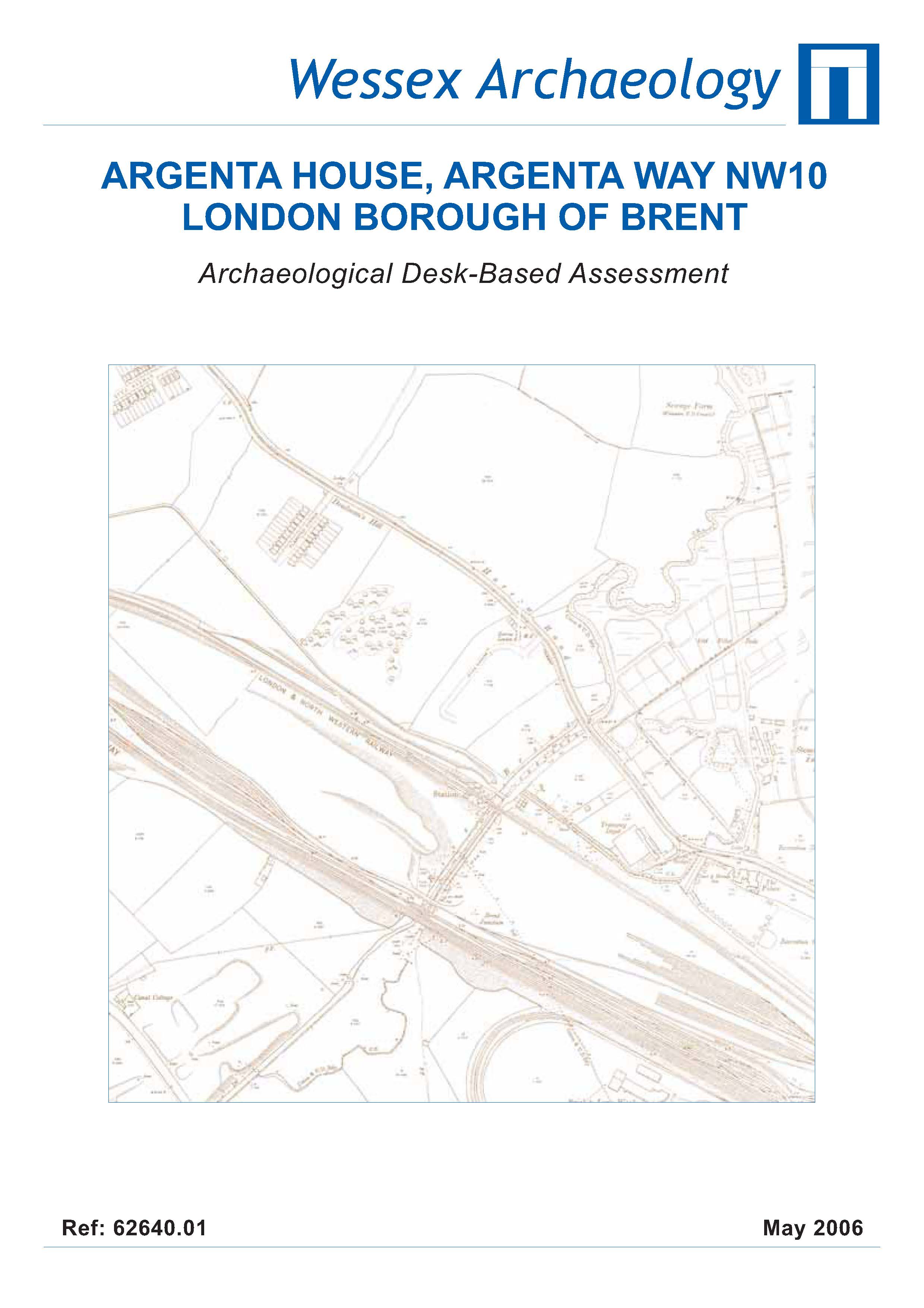
Argenta House, Argenta Way, NW10 London, Borough of Brent - Archaeological Desk-Based Assessment
Published: 2006-05-01
Subjects: Desk-Based Assessment
The Study Area contains minimal archaeological evidence for any period and it is unlikely that there was any significant human activity on the Site before the Postmedieval period. The most significant events within the Study Area have been the construction of major communications and transport routes: the Grand Union Canal (1805), the London and North Western Railway (1846) and the North Circular [...]